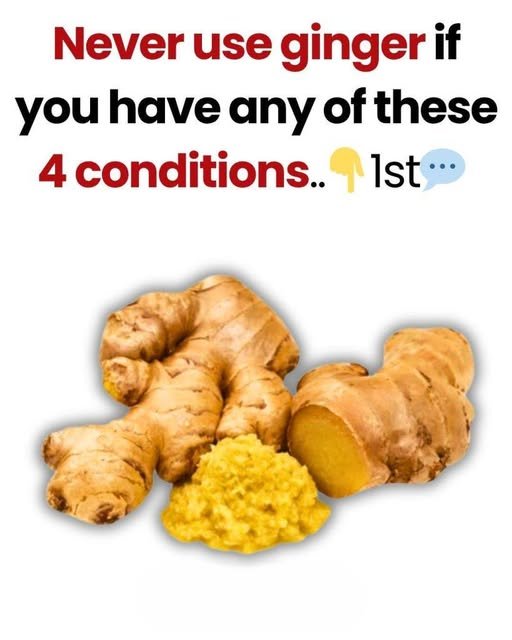
Ginger has been used for centuries as both a spice and a traditional remedy. Many people rely on it to ease nausea, aid digestion, reduce inflammation, and add flavor to meals. Modern research also suggests that ginger may offer several health benefits when consumed in moderation.
However, despite its healthy reputation, ginger isn’t the right choice for everyone. In certain situations, consuming large amounts of ginger or taking concentrated ginger supplements may increase the risk of side effects or interact with medications.
If you have any of the following conditions, it’s important to speak with your healthcare provider before using ginger regularly or taking ginger supplements.
1. You’re Taking Blood-Thinning Medication
One of the most important concerns with ginger is its potential to affect blood clotting. While the evidence is mixed, high doses of ginger may increase the risk of bleeding in some people.
If you take medications such as warfarin, apixaban, rivaroxaban, dabigatran, or clopidogrel, or even high-dose aspirin, avoid taking large amounts of ginger supplements unless your doctor approves.
This is especially important before surgery or dental procedures, when controlling bleeding is essential.
2. You Have a Bleeding Disorder
People with conditions such as hemophilia or other clotting disorders should be cautious with ginger supplements.
Although adding small amounts of ginger to food is generally considered safe for most people, concentrated supplements may not be appropriate without medical advice.
3. You Have Gallstones
Ginger may stimulate bile production, which could potentially worsen symptoms in people with gallstones.
If you’ve been diagnosed with gallbladder disease or frequently experience severe pain after eating fatty foods, consult your healthcare provider before using ginger medicinally.
4. You Have Very Low Blood Pressure
Ginger may have a mild blood-pressure-lowering effect in some individuals.
If you already have naturally low blood pressure or take medication to lower your blood pressure, consuming large amounts of ginger could increase the risk of dizziness, fainting, or lightheadedness.
Monitor your symptoms and discuss any herbal supplements with your healthcare provider.
5. You Take Diabetes Medication
Some studies suggest that ginger may help lower blood sugar levels.
While this could be beneficial for some people, it may increase the risk of low blood sugar if combined with insulin or certain diabetes medications.
If you have diabetes, never adjust your medication based on ginger use alone. Your doctor can help determine whether it’s appropriate for you.
6. You’re Scheduled for Surgery
Many healthcare providers recommend avoiding herbal supplements, including ginger supplements, for one to two weeks before surgery.
This precaution helps reduce any possible effects on bleeding or interactions with anesthesia.
Always follow your surgeon’s specific instructions.
7. You’re Pregnant
Ginger is commonly used to relieve morning sickness, and several studies suggest it can be safe in moderate amounts during pregnancy.
However, pregnant women should avoid high-dose ginger supplements unless recommended by their obstetrician, particularly if they have a history of miscarriage, vaginal bleeding, or pregnancy complications.
Always discuss herbal remedies with your prenatal care provider.
8. You Experience Frequent Heartburn or Acid Reflux
Although ginger helps many people with digestion, it can occasionally worsen heartburn or acid reflux in sensitive individuals.
If your symptoms become worse after consuming ginger, reducing your intake may help.
Possible Side Effects of Too Much Ginger
Even healthy people may experience side effects if they consume excessive amounts of ginger, particularly in supplement form.
Possible side effects include:
- Heartburn
- Upset stomach
- Diarrhea
- Mouth irritation
- Gas or bloating
- Increased bleeding risk in susceptible individuals
Using ginger as a spice in cooking is far less likely to cause these problems than taking concentrated extracts.
Does This Mean You Should Avoid Ginger Completely?
Not necessarily.
For most healthy adults, moderate amounts of fresh or dried ginger used in cooking are generally safe and may even provide health benefits. The greatest concerns usually involve high-dose supplements, existing medical conditions, or interactions with prescription medications.
The key is moderation and understanding your individual health situation.
Final Thoughts
Ginger remains one of the world’s most popular natural remedies, but “natural” doesn’t always mean risk-free. If you take blood thinners, have gallbladder disease, low blood pressure, diabetes, bleeding disorders, or are preparing for surgery, it’s wise to talk with your healthcare provider before using ginger supplements.
Making informed choices about herbs and supplements is just as important as making informed choices about medications. When used appropriately, ginger can be a healthy addition to many diets—but knowing when to be cautious can help protect your health.