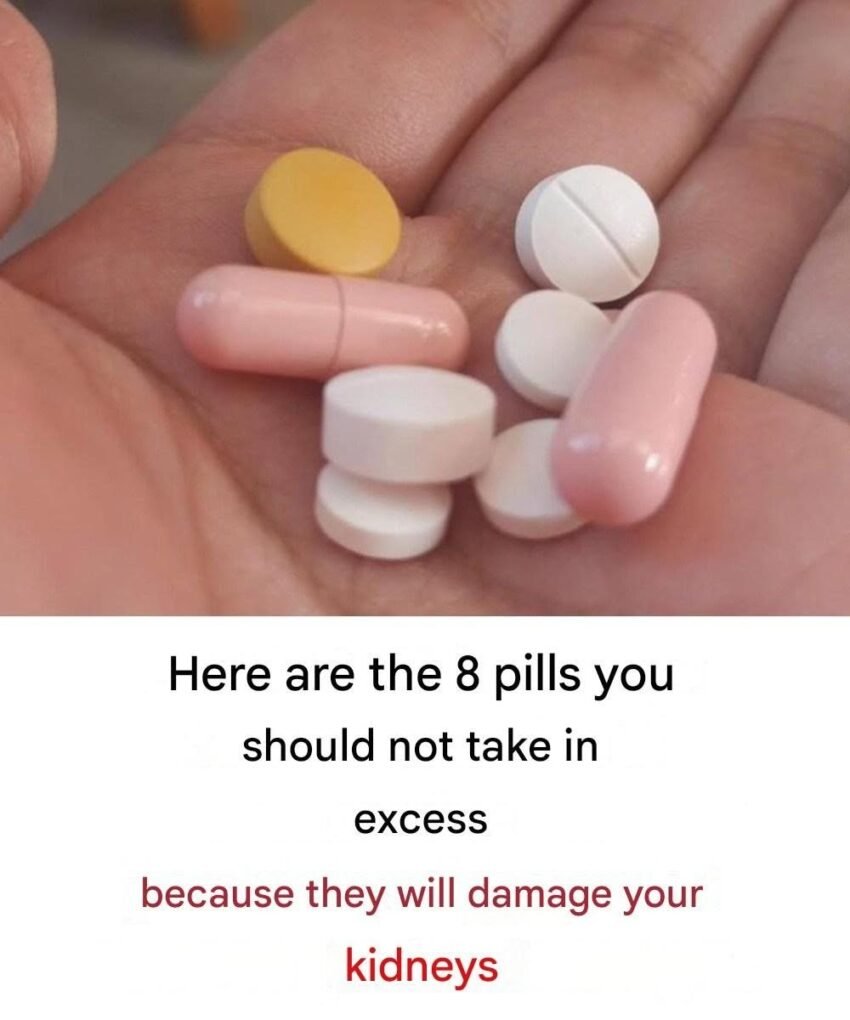
Your kidneys work around the clock to filter waste, balance fluids, regulate blood pressure, and help keep your body healthy. While many medications are safe when used as directed, some can damage the kidneys—especially if taken too often, at high doses, or by people with existing kidney disease, dehydration, or older age.
Here are eight types of medications that deserve extra caution.
1. Nonsteroidal Anti-Inflammatory Drugs (NSAIDs)
Common examples include:
- Ibuprofen
- Naproxen
- Diclofenac
NSAIDs are widely used to relieve pain, inflammation, and fever. However, they can reduce blood flow to the kidneys, increasing the risk of kidney injury, particularly in older adults, people with chronic kidney disease, heart failure, or those who are dehydrated.
Use them safely: Take the lowest effective dose for the shortest time possible, and avoid long-term use unless advised by your healthcare provider.
2. Certain Antibiotics
Some antibiotics can be hard on the kidneys, especially in high doses or in people with reduced kidney function.
Examples include:
- Gentamicin
- Tobramycin
- Vancomycin (particularly when blood levels are too high)
These medications are often essential for treating serious infections, but they may require dose adjustments and kidney function monitoring.
3. Proton Pump Inhibitors (PPIs)
Examples include:
- Omeprazole
- Pantoprazole
- Esomeprazole
These medications are commonly used for acid reflux and stomach ulcers. Long-term use has been associated with an increased risk of acute interstitial nephritis (kidney inflammation) and, in some studies, chronic kidney disease.
Use them safely: Take them only as long as needed and review long-term use with your healthcare provider.
4. Lithium
Lithium is an effective medication for certain mental health conditions, including bipolar disorder. However, long-term treatment may affect kidney function in some people.
Use them safely: Never stop lithium on your own. Regular blood tests help monitor both lithium levels and kidney health.
5. Certain Antiviral Medications
Some antiviral drugs can affect kidney function or form crystals in the kidneys if not taken properly.
Examples include:
- Acyclovir
- Tenofovir (certain formulations)
Adequate hydration and appropriate dosing help reduce the risk.
6. Some Diuretics (“Water Pills”)
Examples include:
- Furosemide
- Bumetanide
- Hydrochlorothiazide
Diuretics are commonly prescribed for high blood pressure, heart failure, and swelling. While they are often beneficial, excessive fluid loss can lead to dehydration, reducing blood flow to the kidneys and increasing the risk of kidney injury.
7. High-Dose Aspirin
Low-dose aspirin prescribed for heart attack or stroke prevention is generally considered safe for most people when recommended by a healthcare provider. However, frequent use of high-dose aspirin for pain relief may contribute to kidney problems, particularly in people with other risk factors.
Always follow your healthcare provider’s recommendations regarding aspirin use.
8. Some Chemotherapy Medications
Certain cancer treatments, such as cisplatin, can affect the kidneys.
Oncology teams carefully monitor kidney function before and during treatment and may provide extra fluids or adjust doses to help protect the kidneys.
Who Is Most at Risk?
The risk of medication-related kidney damage is higher if you:
- Are age 65 or older.
- Have chronic kidney disease.
- Have diabetes or high blood pressure.
- Are dehydrated.
- Take several medications at the same time.
- Have heart failure or liver disease.
Warning Signs of Kidney Problems
Seek medical advice if you notice:
- Reduced urine output.
- Swelling in your legs, ankles, or feet.
- Unexplained fatigue.
- Persistent nausea or vomiting.
- Shortness of breath.
- Confusion.
- Blood in the urine.
These symptoms can have many causes, but they warrant prompt medical evaluation.
How to Protect Your Kidneys
- Take medications exactly as prescribed.
- Avoid taking more than the recommended dose.
- Stay well hydrated unless your healthcare provider has advised you to limit fluids.
- Tell your healthcare provider about all prescription drugs, over-the-counter medicines, and supplements you use.
- Have your kidney function checked regularly if you’re taking medications that can affect the kidneys.
- Avoid combining medications without medical advice.
Final Thoughts
Many medications that can affect the kidneys are also highly effective and, in some cases, lifesaving. The key is using them appropriately, monitoring kidney function when needed, and working closely with your healthcare provider. Never stop a prescribed medication without first discussing it with the clinician who prescribed it.
Disclaimer: This article is for educational purposes only and should not replace professional medical advice. If you have kidney disease or concerns about your medications, consult your healthcare provider or pharmacist before making any changes.