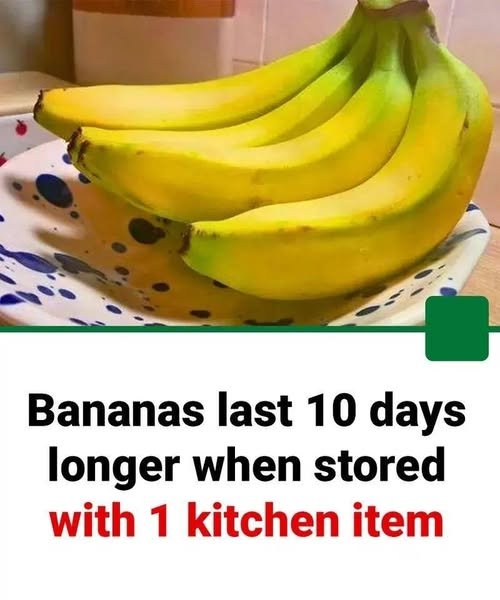
Bananas are one of the most popular fruits in the world. They’re affordable, naturally sweet, and packed with nutrients like potassium, vitamin B6, and fiber. But if you’ve ever bought a bunch only to find them turning brown within a few days, you’re not alone. The good news? A simple kitchen item may help keep bananas fresh for significantly longer. Instead of leaving them in a fruit bowl, storing them the right way can slow the ripening process and reduce food waste. Here’s why bananas ripen so quickly—and the simple trick that may help them last up to 10 days longer.
Why Do Bananas Ripen So Fast?
Bananas naturally produce ethylene gas, a plant hormone that speeds up the ripening process. As bananas ripen, they release more ethylene, which causes not only nearby bananas but also other fruits like apples, pears, peaches, and avocados to ripen more quickly.
This is why bananas often seem to go from perfectly yellow to overripe in just a few days.
The Kitchen Item That Helps: Plastic Wrap or Aluminum Foil
One of the easiest ways to slow ripening is to wrap the stems of the banana bunch with plastic wrap or aluminum foil.
Since most ethylene gas escapes from the stem area, covering it helps reduce how much gas reaches the rest of the fruit, slowing the ripening process.
Some people separate each banana from the bunch and wrap each stem individually for even better results.
While this method won’t stop ripening completely, it can noticeably extend freshness compared with leaving bananas uncovered in a fruit bowl.
How to Store Bananas Properly
1. Wrap the Stems
Cover the stems tightly using:
- Plastic wrap
- Aluminum foil
- Reusable food wrap
This simple step can help slow the release of ethylene gas.
2. Keep Them Away from Other Fruits
Avoid storing bananas next to:
- Apples
- Pears
- Avocados
- Mangoes
- Tomatoes
These fruits also release ethylene, which speeds up ripening.
3. Hang Them Instead of Laying Them Down
Using a banana hanger reduces pressure on the fruit and helps prevent bruising.
It also improves air circulation around the bananas.
4. Store at Room Temperature
Bananas prefer temperatures between 13–20°C (55–68°F).
Avoid placing unripe bananas in direct sunlight or near heat sources like ovens or sunny windows.
5. Refrigerate Only After They’re Ripe
Once bananas reach your preferred level of ripeness, you can place them in the refrigerator.
The peel may turn brown or black, but the fruit inside usually stays firm and fresh for several more days.
Can You Freeze Bananas?
Absolutely!
If your bananas become very ripe, don’t throw them away.
Simply:
- Peel them.
- Slice them if desired.
- Place them in an airtight freezer bag or container.
- Freeze for up to 3 months.
Frozen bananas are perfect for:
- Smoothies
- Banana bread
- Pancakes
- Muffins
- Homemade ice cream
Common Banana Storage Mistakes
Many people accidentally shorten the life of their bananas by:
- Leaving them in direct sunlight
- Storing them beside apples or avocados
- Keeping them in sealed plastic bags
- Refrigerating them while still green
- Letting bruised bananas remain with the bunch
Avoiding these habits can help your bananas stay fresh longer.
Other Tips to Extend Freshness
You can also try these simple tricks:
- Separate bananas from the bunch once they begin ripening.
- Buy bananas at different stages of ripeness if you won’t eat them all at once.
- Store ripe bananas in the refrigerator to slow further ripening.
- Use overripe bananas in baking rather than throwing them away.
Are Bananas Still Safe to Eat When Brown?
Yes. A banana with brown spots is usually perfectly safe to eat.
In fact, many people find that spotted bananas are sweeter because their starches have converted into natural sugars.
However, discard bananas if they develop:
- Mold
- A fermented or alcoholic smell
- Large leaking areas
- Signs of spoilage inside the fruit
Final Thoughts
Bananas naturally ripen quickly because they produce ethylene gas, but a simple storage trick—wrapping the stems with plastic wrap or aluminum foil—may help slow the process. Combined with proper storage away from other ripening fruits and keeping bananas at room temperature until they’re ripe, this method can help extend their freshness and reduce food waste.
While no storage method guarantees bananas will stay fresh for exactly 10 extra days in every home, these techniques can significantly slow ripening under the right conditions.
Disclaimer: Storage results may vary depending on the bananas’ ripeness at purchase, room temperature, humidity, and handling.