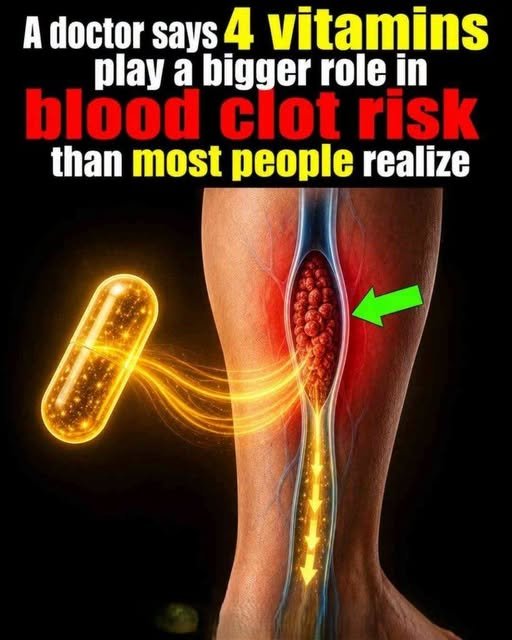
Good circulation is essential for delivering oxygen and nutrients throughout your body. Healthy blood flow supports your heart, brain, muscles, and other organs, while poor circulation may contribute to symptoms such as cold hands and feet, leg cramps, fatigue, or slow wound healing.
Although no single vitamin can “cure” circulation problems, certain nutrients play an important role in maintaining healthy blood vessels and supporting cardiovascular function. When combined with a balanced diet, regular exercise, and healthy lifestyle habits, these vitamins may help promote better circulation.
Here’s a closer look at four important vitamins that support healthy blood flow.
1. Vitamin C – Supports Healthy Blood Vessels
Vitamin C is a powerful antioxidant that helps protect blood vessels from damage caused by free radicals. It also plays a key role in collagen production, which helps keep blood vessel walls strong and flexible.
Potential Benefits
- Supports healthy arteries and veins
- Promotes collagen production
- Helps protect blood vessels from oxidative stress
- May improve overall vascular health
Foods Rich in Vitamin C
- Oranges
- Strawberries
- Kiwi
- Bell peppers
- Broccoli
- Tomatoes
- Brussels sprouts
Most healthy adults can get enough vitamin C through a balanced diet.
2. Vitamin D – Supports Heart and Blood Vessel Health
Vitamin D is best known for supporting bone health, but it also plays a role in maintaining healthy blood vessels and normal muscle function, including the heart.
Research suggests that low vitamin D levels are associated with an increased risk of certain cardiovascular conditions, although taking supplements has not consistently been shown to improve circulation in people without a deficiency.
Food Sources
- Fatty fish (salmon, mackerel, sardines)
- Egg yolks
- Fortified milk
- Fortified cereals
Your body also produces vitamin D when your skin is exposed to sunlight.
3. Vitamin E – An Antioxidant That Protects Cells
Vitamin E helps protect cells from oxidative damage and supports overall cardiovascular health.
Some studies suggest it may help maintain healthy blood vessel function, but high-dose vitamin E supplements are not recommended for everyone because they can increase the risk of bleeding, especially in people taking blood-thinning medications.
Foods High in Vitamin E
- Almonds
- Sunflower seeds
- Hazelnuts
- Spinach
- Avocados
- Vegetable oils
Getting vitamin E from food is generally the safest approach.
4. Vitamin B12 – Essential for Healthy Red Blood Cells
Vitamin B12 is necessary for producing healthy red blood cells, which carry oxygen throughout the body. A deficiency can lead to anemia and nerve damage, both of which may contribute to symptoms such as weakness, numbness, or tingling.
Benefits
- Supports healthy red blood cell production
- Helps transport oxygen throughout the body
- Supports normal nerve function
- Helps prevent vitamin B12 deficiency anemia
Good Food Sources
- Fish
- Meat
- Eggs
- Dairy products
- Fortified breakfast cereals
Older adults, vegetarians, vegans, and people with certain digestive disorders may be at higher risk of vitamin B12 deficiency.
Other Nutrients That Support Circulation
In addition to vitamins, several minerals and nutrients contribute to healthy blood flow:
- Iron: Helps produce hemoglobin, which carries oxygen in the blood.
- Magnesium: Supports normal muscle and blood vessel function.
- Potassium: Helps maintain healthy blood pressure.
- Omega-3 fatty acids: Found in fatty fish, they support heart health and healthy blood vessels.
A varied, nutrient-rich diet is the best way to obtain these essential nutrients.
Lifestyle Habits That Improve Circulation
Vitamins work best alongside healthy daily habits.
Stay Physically Active
Regular exercise helps improve blood flow throughout the body.
Aim for at least 150 minutes of moderate physical activity each week, such as walking, cycling, or swimming.
Eat a Heart-Healthy Diet
Focus on:
- Fruits
- Vegetables
- Whole grains
- Lean proteins
- Nuts and seeds
- Healthy fats
Limit processed foods high in sodium, added sugars, and saturated fats.
Stay Hydrated
Drinking enough water supports healthy blood volume and circulation.
Avoid Smoking
Smoking damages blood vessels and significantly increases the risk of poor circulation and cardiovascular disease.
Maintain a Healthy Weight
Maintaining a healthy weight reduces strain on the heart and blood vessels and supports healthy circulation.
Signs of Poor Circulation
Poor circulation can have many causes. Consult a healthcare professional if you experience:
- Cold hands or feet
- Persistent numbness or tingling
- Leg pain while walking
- Swollen ankles
- Slow-healing wounds
- Skin color changes
- Persistent fatigue
These symptoms may be related to conditions such as peripheral artery disease, diabetes, or other medical issues that require evaluation.
When to Talk to Your Doctor
Before taking vitamin supplements, speak with your healthcare provider, especially if you:
- Have heart disease
- Have kidney disease
- Take blood-thinning medications
- Have diabetes
- Are pregnant or breastfeeding
A blood test can identify nutrient deficiencies and help determine whether supplements are appropriate.
Final Thoughts
Vitamins C, D, E, and B12 all play important roles in supporting healthy circulation and cardiovascular health. However, they are not a substitute for medical treatment if you have a circulatory disorder.
The best approach to healthy blood flow combines a balanced diet, regular physical activity, staying hydrated, avoiding smoking, and managing conditions such as high blood pressure, diabetes, and high cholesterol. If you have symptoms of poor circulation or suspect a vitamin deficiency, consult a healthcare professional for proper evaluation and personalized advice.
Disclaimer: This article is for informational purposes only and does not replace professional medical advice, diagnosis, or treatment. Always consult your healthcare provider before starting any new vitamin or supplement regimen.