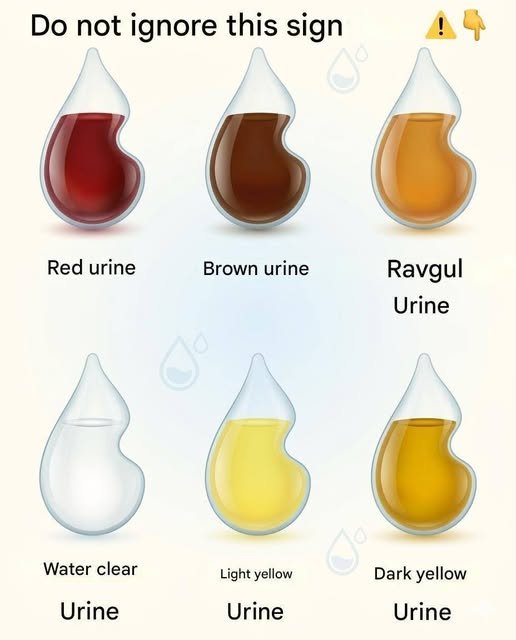
Most people don’t pay much attention to the color of their urine—until it suddenly changes. While urine color can vary from day to day depending on hydration, diet, and medications, it can sometimes provide valuable clues about your overall health.
In many cases, changes in urine color are harmless and temporary. However, certain colors may signal dehydration, infection, liver disease, or other medical conditions that deserve prompt attention.
Here’s what different urine colors may mean and when you should speak with a healthcare professional.
Why Is Urine Normally Yellow?
Urine gets its yellow color from a pigment called urochrome (also known as urobilin), which is produced when your body breaks down old red blood cells.
The amount of water you drink affects how concentrated this pigment becomes:
- More water = lighter urine
- Less water = darker urine
This is why urine color often changes throughout the day.
1. Clear Urine
What It May Mean
Completely clear urine usually means you’re very well hydrated. In some cases, however, it may indicate that you’re drinking more water than your body needs.
Occasionally, persistently clear urine can be associated with certain medical conditions, such as diabetes or kidney problems, but it’s often simply due to high fluid intake.
What You Can Do
- Continue drinking water according to your thirst.
- If you’re urinating excessively and constantly producing clear urine, discuss it with your healthcare provider.
2. Pale Yellow or Light Straw
What It May Mean
This is generally considered the healthiest and most normal urine color.
It usually indicates:
- Good hydration
- Healthy kidney function
- Normal urine concentration
There’s usually no reason for concern.
3. Dark Yellow or Amber
What It May Mean
Dark yellow urine often indicates mild dehydration.
It can happen after:
- Exercise
- Hot weather
- Sweating
- Not drinking enough fluids
What You Can Do
Increase your water intake and monitor whether the color returns to pale yellow over the next several hours.
4. Orange Urine
Possible Causes
Orange urine may result from:
- Dehydration
- Certain medications
- Vitamin B supplements
- Foods containing artificial coloring
In some cases, orange urine may also be related to liver or bile duct disorders, particularly if accompanied by pale stools or yellowing of the skin and eyes (jaundice).
If the color persists or you have additional symptoms, seek medical evaluation.
5. Pink or Red Urine
Seeing red urine can be alarming, but it isn’t always caused by blood.
Possible causes include:
Foods
- Beets
- Blackberries
- Rhubarb
Medications
Certain medications can change urine color.
Blood in the Urine
Blood may result from:
- Urinary tract infections (UTIs)
- Kidney stones
- Kidney disease
- Enlarged prostate
- Bladder or kidney tumors
- Injury
Because blood in the urine can be a sign of a serious condition, you should contact your healthcare provider promptly if you notice unexplained red or pink urine.
6. Brown or Cola-Colored Urine
Dark brown urine may be caused by:
- Severe dehydration
- Certain medications
- Liver disease
- Muscle injury (such as rhabdomyolysis)
It can also occur after eating large amounts of foods like fava beans or aloe in some individuals.
Persistent brown urine should always be medically evaluated.
7. Blue or Green Urine
Although uncommon, blue or green urine can occur due to:
- Certain medications
- Food dyes
- Some medical tests
- Rare genetic conditions
- Certain bacterial urinary tract infections
If the cause isn’t obvious, it’s a good idea to consult your healthcare provider.
What Else Can Affect Urine Color?
Many everyday factors can temporarily change urine color, including:
- Hydration level
- Vitamins (especially B vitamins)
- Certain antibiotics
- Laxatives
- Chemotherapy drugs
- Foods with strong natural pigments
- Food coloring
Most temporary color changes resolve once the underlying cause is removed.
Other Urinary Symptoms to Watch For
Urine color is only one part of the picture.
Seek medical attention if you also experience:
- Pain or burning while urinating
- Frequent urination
- Difficulty urinating
- Fever
- Back or side pain
- Strong-smelling urine with symptoms
- Cloudy urine
- Blood in the urine
- Swelling of the legs or face
These symptoms may indicate an infection or another medical condition that requires treatment.
How to Keep Your Urinary System Healthy
Healthy habits can support normal kidney and urinary tract function:
- Drink enough water throughout the day.
- Eat a balanced diet.
- Limit excessive salt intake.
- Practice good hygiene.
- Don’t ignore the urge to urinate.
- Manage conditions such as diabetes and high blood pressure.
- Avoid smoking.
Regular checkups are especially important if you have kidney disease or other chronic health conditions.
When Should You See a Doctor?
Contact a healthcare professional if:
- Red or pink urine isn’t explained by food.
- Brown or cola-colored urine persists.
- Orange urine occurs with jaundice or pale stools.
- Urine color changes are accompanied by pain, fever, or swelling.
- You notice blood in your urine.
- Changes last for several days without an obvious cause.
Early evaluation can help identify the underlying cause and ensure appropriate treatment.
Final Thoughts
Urine color can provide helpful clues about your hydration status and overall health. While pale yellow urine is generally a sign of good hydration, darker, red, brown, or unusual colors may sometimes indicate dehydration, medication effects, dietary changes, or underlying medical conditions.
Most color changes are harmless and temporary, but persistent or unexplained changes—especially when accompanied by pain, fever, or blood—should be evaluated by a healthcare professional.
Paying attention to these small changes can help you stay informed about your health and know when it’s time to seek medical advice.
Disclaimer: This article is for educational purposes only and is not intended to replace professional medical advice, diagnosis, or treatment. If you have persistent changes in urine color or other concerning symptoms, consult a qualified healthcare provider promptly.