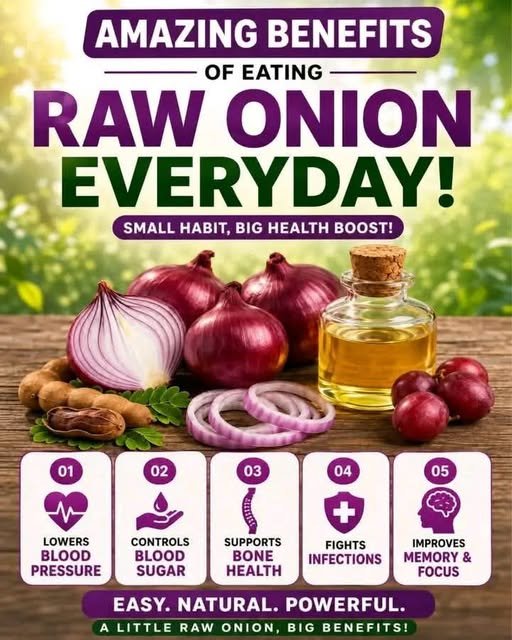
For centuries, onions have been a staple ingredient in kitchens around the world. Whether sliced into salads, cooked into soups, or caramelized for a delicious meal, onions are far more than just a flavor enhancer. They are packed with nutrients and natural plant compounds that may support overall health in many ways.
You may have heard the saying, “An onion a day keeps the doctor away.” While that’s certainly an exaggeration, there is growing scientific evidence that regularly including onions in a balanced diet can offer several health benefits. But can eating one onion a day really make a difference?
Let’s explore what research says.
What Makes Onions So Healthy?
Onions belong to the Allium family, which also includes garlic, leeks, shallots, and chives. They are naturally low in calories while providing important nutrients your body needs every day.
A medium onion contains:
- About 45 calories
- Vitamin C
- Vitamin B6
- Folate
- Potassium
- Fiber
- Powerful antioxidants such as quercetin and sulfur compounds
These nutrients work together to support the body’s natural functions and may help reduce the risk of certain chronic diseases when consumed as part of a healthy lifestyle.
1. Rich in Powerful Antioxidants
One of the biggest health advantages of onions is their high antioxidant content.
Antioxidants help protect your cells from damage caused by unstable molecules known as free radicals. Over time, oxidative stress can contribute to aging and various chronic health conditions.
Red onions, in particular, contain high amounts of:
- Quercetin
- Anthocyanins
- Flavonoids
These natural compounds have anti-inflammatory properties and help support overall wellness.
2. May Support Heart Health
Heart disease remains one of the leading causes of death worldwide, and diet plays an important role in maintaining cardiovascular health.
Research suggests that onions may help:
- Support healthy blood pressure
- Improve blood vessel function
- Reduce inflammation
- Help maintain healthy cholesterol levels
The flavonoid quercetin appears to play an important role in these potential heart-protective effects.
However, onions alone cannot prevent heart disease—they work best alongside a healthy diet, regular exercise, and other positive lifestyle habits.
3. Can Help Support Healthy Blood Sugar Levels
Several studies suggest that onions may help improve blood sugar control, especially because they contain sulfur compounds and antioxidants.
Some research has shown potential benefits for people with type 2 diabetes when onions are included as part of an overall healthy eating plan.
Still, onions are not a substitute for diabetes medication or medical care. Anyone with diabetes should continue following their healthcare provider’s recommendations.
4. Good for Your Digestive System
Onions are an excellent source of prebiotics, which are special fibers that feed the beneficial bacteria living in your gut.
Healthy gut bacteria may contribute to:
- Better digestion
- Improved nutrient absorption
- Stronger immune function
- Reduced inflammation
A healthier gut microbiome has also been linked to better overall health.
5. Supports a Strong Immune System
Vitamin C and antioxidants found in onions help support normal immune function.
Sulfur-containing compounds may also possess natural antimicrobial properties, helping your body defend itself against certain harmful microbes.
Although onions won’t prevent every illness, regularly eating a variety of fruits and vegetables—including onions—supports a healthier immune system.
6. May Benefit Bone Health
Some studies have suggested that people who regularly eat onions may have better bone density than those who rarely consume them.
Scientists believe antioxidants and sulfur compounds may help reduce bone breakdown over time.
More research is still needed, but onions can certainly be part of a bone-friendly diet that also includes calcium, vitamin D, and regular weight-bearing exercise.
7. Contains Natural Anti-Inflammatory Compounds
Chronic inflammation has been linked to many health conditions, including:
- Heart disease
- Arthritis
- Obesity
- Type 2 diabetes
The quercetin found in onions may help reduce certain inflammatory processes in the body.
While onions are not an anti-inflammatory treatment on their own, they can contribute to an overall anti-inflammatory dietary pattern.
8. May Help Maintain Healthy Cholesterol
Some research suggests that compounds in onions may help support healthy cholesterol levels by:
- Supporting HDL (“good”) cholesterol
- Helping reduce oxidation of LDL cholesterol
The evidence is promising, but results vary, and onions should not replace cholesterol-lowering medications prescribed by a healthcare professional.
9. May Reduce the Risk of Certain Cancers
Laboratory and observational studies have found that diets rich in Allium vegetables—including onions—are associated with a lower risk of certain cancers.
Researchers believe sulfur compounds and antioxidants may help protect cells from damage.
However, it’s important to understand that no single food can prevent or cure cancer. Overall dietary patterns and lifestyle choices matter much more than any individual ingredient.
10. Easy to Add to Everyday Meals
One of the best things about onions is how versatile they are.
You can enjoy them:
- Raw in salads
- Grilled
- Roasted
- Stir-fried
- In soups
- In curries
- Mixed into omelets
- Added to sandwiches
- Pickled
Both red and yellow onions provide nutritional benefits, although their antioxidant levels vary slightly.
Are There Any Downsides?
While onions are healthy for most people, they aren’t perfect for everyone.
Some people may experience:
- Heartburn or acid reflux
- Gas and bloating
- Digestive discomfort, especially if they have irritable bowel syndrome (IBS)
- Watery eyes while chopping
If onions upset your stomach, eating smaller amounts or cooking them thoroughly may help reduce these effects.
Should You Eat an Onion Every Day?
Eating onions regularly can certainly be part of a nutritious diet, but there is no scientific rule that says everyone should eat one whole onion every day.
Instead, aim for a variety of vegetables each day, including onions, to maximize your intake of vitamins, minerals, fiber, and beneficial plant compounds.
Consistency matters far more than eating large amounts of any one food.
The Bottom Line
Onions are inexpensive, flavorful, and packed with nutrients that support overall health. Their antioxidants, fiber, vitamins, and sulfur compounds may contribute to heart health, digestive health, immune function, blood sugar management, and more when included as part of a balanced diet.
While eating an onion every day isn’t a miracle cure, making onions a regular part of your meals is a simple and practical habit that can support long-term wellness.
Remember, no single food can prevent disease or replace medical treatment. The greatest health benefits come from combining a varied diet rich in vegetables, regular physical activity, quality sleep, stress management, and routine healthcare.
Disclaimer: This article is for informational purposes only and should not be considered medical advice. Always consult a qualified healthcare professional before making significant dietary changes, especially if you have a medical condition, food intolerance, or take prescription medications.