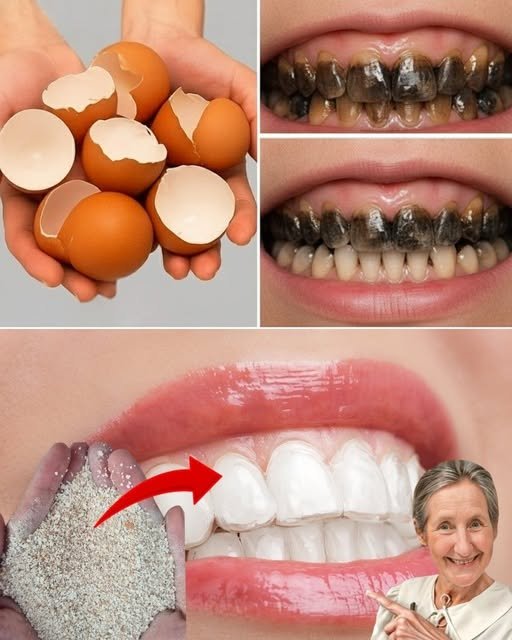
Everyone wants a bright, confident smile, and it’s easy to be tempted by headlines claiming that yellow teeth can become “pearl white” in just five minutes. However, the truth is that no safe home remedy can permanently whiten teeth that quickly.
That said, there are several gentle methods that may help remove some surface stains and improve the appearance of your teeth over time. Combined with good oral hygiene and professional dental care when needed, these habits can help you maintain a healthier-looking smile.
Let’s separate fact from fiction and explore safe ways to brighten your teeth.
Why Do Teeth Turn Yellow?
Tooth discoloration is common and can happen for many reasons, including:
- Drinking coffee, tea, or red wine
- Smoking or using tobacco products
- Aging, which naturally thins tooth enamel
- Poor oral hygiene
- Certain medications
- Genetics
- Foods with strong pigments
Some stains are only on the surface of the enamel, while others occur deeper inside the tooth and require professional treatment.
1. Brush Properly Twice a Day
Brushing your teeth for two minutes, twice a day with a fluoride toothpaste helps remove plaque and surface stains before they build up.
For the best results:
- Use a soft-bristled toothbrush.
- Brush gently using small circular motions.
- Replace your toothbrush every three to four months.
2. Use Whitening Toothpaste
Whitening toothpastes contain mild polishing agents that can help remove surface stains caused by foods and drinks.
While they won’t dramatically change your natural tooth color, consistent use may gradually brighten your smile over several weeks.
3. Floss Every Day
Flossing removes plaque and food particles from between your teeth—areas your toothbrush can’t reach.
Cleaner teeth often appear brighter because less plaque and staining accumulate.
4. Limit Foods and Drinks That Stain Teeth
Some of the biggest contributors to tooth staining include:
- Coffee
- Tea
- Red wine
- Cola and dark-colored soft drinks
- Berries
- Tomato-based sauces
Drinking water after these foods and brushing later (rather than immediately after acidic drinks) may help reduce staining.
5. Eat Crunchy Fruits and Vegetables
Foods like:
- Apples
- Carrots
- Celery
can help stimulate saliva production and gently clean tooth surfaces as you chew.
While they don’t whiten teeth, they can support good oral hygiene.
6. Professional Teeth Whitening
If you’re looking for noticeable whitening, professional dental treatments are generally the most effective option.
Dentists can offer:
- In-office whitening procedures
- Custom take-home whitening trays
- Advice on the safest whitening products for your teeth
Professional treatments can often produce more dramatic results than over-the-counter products.
Home Remedies: What Works—and What Doesn’t?
You may have seen social media tips recommending ingredients like baking soda, coconut oil, or lemon juice.
Baking Soda
Baking soda has mild abrasive properties that may help remove some surface stains when used occasionally. However, frequent or aggressive brushing with baking soda can wear down enamel over time.
Coconut Oil Pulling
Swishing coconut oil in the mouth (known as oil pulling) may help reduce bacteria and improve oral hygiene, but there is limited scientific evidence that it significantly whitens teeth.
Lemon Juice or Vinegar
These acidic substances are not recommended for whitening teeth. They can erode enamel, making teeth more sensitive and potentially increasing yellowing over time.
Activated Charcoal
Although popular online, there is insufficient evidence that activated charcoal safely whitens teeth. Its abrasive nature may damage enamel if used excessively.
Habits That Help Keep Teeth White
To maintain a brighter smile:
- Brush twice daily with fluoride toothpaste.
- Floss every day.
- Visit your dentist regularly for checkups and cleanings.
- Avoid smoking and tobacco products.
- Drink water after consuming staining foods or beverages.
- Maintain a balanced diet that supports overall oral health.
When Should You See a Dentist?
Schedule a dental visit if you notice:
- Sudden changes in tooth color
- Tooth pain or sensitivity
- White, brown, or black spots on your teeth
- Persistent bad breath
- Bleeding gums
- Loose teeth
Discoloration can sometimes be a sign of tooth decay or other dental conditions that require treatment.
The Bottom Line
Despite many online claims, yellow teeth cannot safely become “pearl white” in just five minutes. Healthy whitening takes time and depends on the cause of the discoloration.
The safest ways to brighten your smile include maintaining excellent oral hygiene, using whitening products as directed, limiting stain-causing foods and drinks, and seeking professional dental advice when appropriate. With consistent care, you can improve the appearance of your teeth while protecting your enamel.
Disclaimer: This article is for informational purposes only and should not be considered dental or medical advice. Always consult a qualified dentist before trying whitening treatments, especially if you have sensitive teeth, gum disease, or existing dental work.