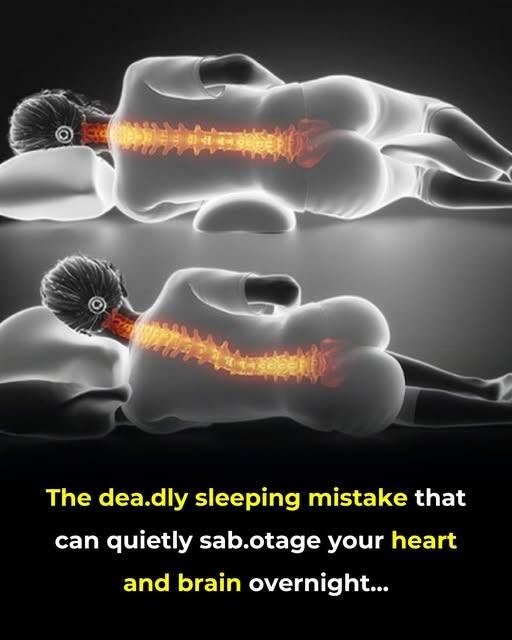
One common sleep mistake is not getting enough quality sleep on a regular basis. It may seem harmless to stay up late, wake up frequently, or rely on “catch-up sleep,” but your body may feel the effects even when you do not notice them immediately.
Why Sleep Matters for Your Heart and Brain
During sleep, your body does important repair work. Your heart rate, blood pressure, hormones, and brain activity all go through natural cycles that help maintain balance.
When sleep is regularly disturbed or shortened, these processes may be affected.
1. Poor Sleep May Affect Heart Health
Your heart works around the clock, and sleep gives your cardiovascular system a chance to recover.
Consistently poor sleep may be linked with:
- Higher blood pressure
- Increased stress hormones
- Greater strain on the heart
- Higher risk of cardiovascular problems over time
A regular sleep schedule can help support healthier heart function.
2. Lack of Sleep Can Affect Brain Function
The brain uses sleep to organize memories, process information, and clear waste products.
When you do not sleep well, you may notice:
- Difficulty concentrating
- Forgetfulness
- Slower thinking
- Mood changes
- Increased stress
Even one poor night of sleep can affect alertness the next day.
3. The “Weekend Catch-Up Sleep” Habit
Many people sleep very little during the week and try to make up for it on weekends.
While extra rest can feel helpful, constantly changing your sleep schedule may confuse your body’s internal clock.
A more effective approach is creating a consistent routine:
✅ Go to bed around the same time
✅ Wake up around the same time
✅ Get enough sleep most nights
4. Sleeping With Too Many Interruptions
Some people spend enough hours in bed but still wake up repeatedly throughout the night.
Interrupted sleep can reduce the amount of deep, restorative sleep your body receives.
Common causes include:
- Stress and anxiety
- Noise
- Uncomfortable sleeping conditions
- Excessive screen use before bed
- Certain health conditions
5. Ignoring Snoring and Breathing Problems
Loud snoring, gasping, or pauses in breathing during sleep may sometimes be signs of a condition called sleep apnea.
Possible warning signs include:
- Waking up feeling tired
- Morning headaches
- Daytime sleepiness
- Trouble staying focused
If these symptoms are frequent, discussing them with a healthcare professional can be helpful.
Simple Ways to Improve Your Sleep
Create a Relaxing Bedtime Routine
Give your body signals that it is time to rest.
Reduce Screen Time Before Sleep
Phones and bright screens can make it harder for some people to fall asleep.
Keep Your Bedroom Comfortable
A quiet, dark, and comfortable environment supports better rest.
Stay Active During the Day
Regular movement can improve sleep quality.
Limit Heavy Meals and Stimulants Late at Night
Large meals, caffeine, or certain drinks close to bedtime may disturb sleep.
Final Thoughts
Sleep is not just a time when the body “switches off.” It is an active recovery period that supports your heart, brain, immune system, and emotional health.
A small sleep mistake repeated every night can become a long-term habit. By prioritizing consistent, quality sleep, you give your body the chance to repair, recharge, and protect your health.
Better sleep is one of the simplest daily habits that can make a powerful difference in how you feel today — and how healthy you remain in the future.