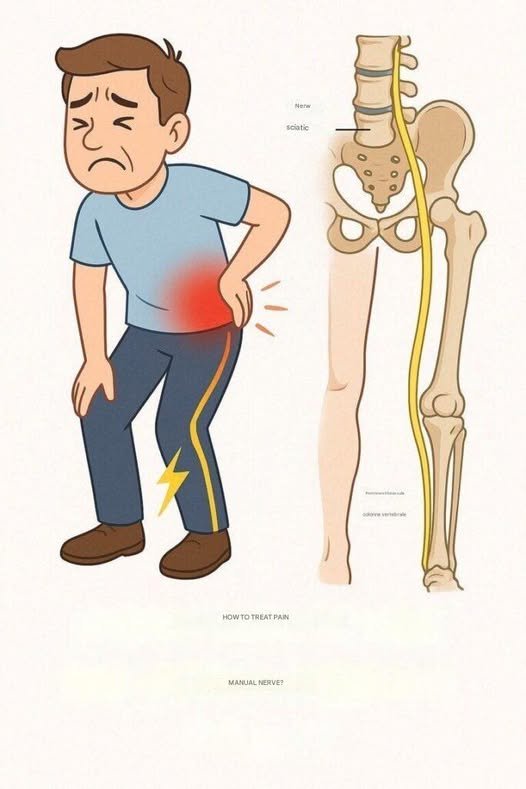
Sciatica pain can be frustrating. It often feels like a sharp, burning, or electric sensation that travels from the lower back through the buttocks and down the leg. For some people, it may also cause tingling, numbness, or weakness.
The sciatic nerve is the largest nerve in the body, and irritation or pressure around this nerve can lead to discomfort. While rest may feel helpful at first, gentle movement and targeted exercises can often support flexibility, mobility, and recovery.
Here are 3 simple exercises that many people use to help reduce tension around the lower back and hips.
Important: Exercises should feel gentle. Stop if you experience increasing pain, new weakness, or worsening numbness, and consider seeking medical advice.
1. Knee-to-Chest Stretch
This gentle stretch may help relax the lower back and reduce tightness around the hips.
How to do it:
- Lie on your back with your knees bent.
- Slowly bring one knee toward your chest.
- Hold it gently with your hands.
- Hold for about 15–30 seconds.
- Lower the leg and repeat on the other side.
Benefits:
✔ Helps loosen lower back muscles
✔ Encourages gentle spinal movement
✔ May reduce stiffness
Avoid pulling forcefully — the stretch should feel comfortable, not painful.
2. Piriformis Stretch (Figure-4 Stretch)
The piriformis muscle is located deep in the buttocks, near the sciatic nerve. When this area becomes tight, some people feel increased discomfort.
How to do it:
- Lie on your back with both knees bent.
- Place one ankle over the opposite knee, creating a “4” shape.
- Gently pull the lower leg toward your chest.
- Hold for 15–30 seconds.
- Switch sides.
Benefits:
✔ Helps loosen hip muscles
✔ Improves flexibility
✔ May reduce tension around the buttocks area
3. Gentle Hamstring Stretch
Tight hamstrings can contribute to stiffness in the lower back and legs.
How to do it:
- Sit on the edge of a chair.
- Extend one leg forward with your heel on the floor.
- Keep your back straight.
- Lean forward slightly until you feel a gentle stretch.
- Hold for 15–30 seconds.
Benefits:
✔ Improves leg flexibility
✔ Reduces muscle tightness
✔ Supports better movement patterns
Additional Tips for Sciatica Comfort
Along with exercises, some daily habits may help:
Stay Gently Active
Long periods of bed rest may increase stiffness. Light walking can be helpful for many people.
Maintain Good Posture
Avoid sitting for long periods in positions that increase discomfort.
Use Heat or Cold Carefully
Some people find heat relaxes tight muscles, while others prefer cold packs during flare-ups.
Strengthen Gradually
Building core and hip strength over time may help support the lower back.
When to Seek Medical Advice
Get professional guidance if you have:
- Severe or worsening pain
- Loss of bladder or bowel control
- Significant leg weakness
- Numbness that is getting worse
- Pain after a serious injury
Final Thoughts
Sciatica pain can make everyday activities difficult, but gentle exercises may help improve mobility and reduce muscle tension. The key is consistency and listening to your body.
Small daily movements — combined with good posture, patience, and proper care — can support a healthier back and more comfortable legs.