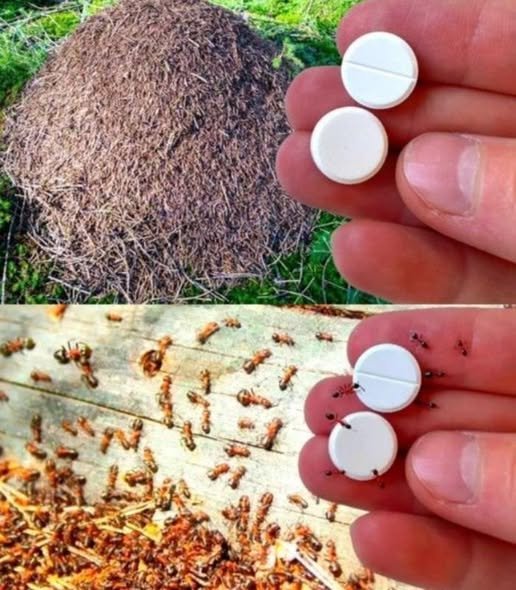
Few household pests are as persistent as ants. One day your kitchen looks spotless, and the next, a steady trail of tiny visitors is marching across your countertop in search of food. While ants play an important role in nature by aerating soil and helping decompose organic matter, they can quickly become an unwelcome nuisance inside the home.
Many commercial insecticides are effective, but some homeowners prefer to start with natural approaches—especially around children, pets, or food preparation areas. The good news is that there are several chemical-free methods that may help discourage ants, particularly when combined with good cleaning habits and prevention.
Keep in mind that natural remedies often work best for small or early infestations. If you have a large or persistent infestation, you may need professional pest control.
Why Are Ants Entering Your Home?
Ants usually come indoors for three basic reasons:
- Food: Crumbs, sugary spills, pet food, or uncovered fruit.
- Water: Damp areas, leaky pipes, or standing water.
- Shelter: Warm, protected spaces where they can build or access nests.
Scout ants leave behind invisible pheromone trails, which guide the rest of the colony to a food source. Removing those trails is an important part of controlling future visits.
1. White Vinegar Solution
White vinegar is one of the most popular natural cleaning products for discouraging ants.
Why It May Help
The strong scent can interfere with the pheromone trails ants use to navigate.
How to Use It
Mix equal parts:
- White vinegar
- Water
Spray the solution on:
- Countertops
- Windowsills
- Door frames
- Baseboards
- Areas where ants frequently travel
Allow it to air dry or wipe clean.
Note: Vinegar may damage some natural stone surfaces, so test it on a small hidden area first.
2. Lemon Juice
Fresh lemon juice can also help mask ant trails.
Directions
Mix:
- 1 part lemon juice
- 3 parts water
Apply around:
- Entry points
- Window frames
- Kitchen counters
The fresh scent is pleasant for people while potentially disrupting ant navigation.
3. Cinnamon
Ground cinnamon or cinnamon sticks are commonly used as natural ant deterrents.
Some studies suggest that compounds in cinnamon may discourage ants from crossing treated areas.
Sprinkle a light line near:
- Doorways
- Windows
- Pantry shelves
Replace as needed if it becomes damp or loses its aroma.
4. Peppermint Essential Oil
Peppermint oil has a strong scent that may deter ants.
How to Make a Spray
Combine:
- 10–15 drops peppermint essential oil
- 1 cup water
Spray around common entry points.
Safety Tip: Essential oils can be harmful to some pets, especially cats. Use caution and consult your veterinarian if pets are present.
5. Seal Food Properly
One of the best ways to prevent ants is to remove what attracts them.
Store food in airtight containers, including:
- Sugar
- Flour
- Cereal
- Pet food
- Snacks
Clean up crumbs and spills promptly.
6. Eliminate Water Sources
Even tiny amounts of moisture can attract ants.
Check for:
- Leaky faucets
- Dripping pipes
- Damp sponges
- Standing water under sinks
Fixing moisture problems makes your home less inviting.
7. Seal Entry Points
Inspect your home for small gaps around:
- Windows
- Doors
- Utility pipes
- Foundation cracks
Use caulk or weatherstripping to block access where practical.
Prevention is often more effective than treatment.
8. Keep Your Kitchen Clean
Regular cleaning removes food sources and pheromone trails.
Daily habits include:
- Wiping countertops
- Sweeping floors
- Emptying trash regularly
- Cleaning under appliances
- Washing dishes promptly
Even small crumbs can attract scouting ants.
9. Diatomaceous Earth (Food Grade)
Food-grade diatomaceous earth is a naturally occurring powder made from fossilized algae.
It works by damaging the protective outer layer of certain insects, causing them to lose moisture.
Important
- Use food-grade diatomaceous earth only.
- Avoid breathing in the dust.
- Keep it dry for maximum effectiveness.
10. Remove Outdoor Attractions
Outdoor maintenance can reduce the number of ants approaching your home.
Consider:
- Trimming tree branches that touch the house
- Moving firewood away from exterior walls
- Cleaning outdoor trash bins
- Keeping mulch several inches from the foundation
Reducing access points outdoors may help prevent indoor problems.
Natural Remedies That Have Limited Evidence
Several household ingredients are frequently recommended online, but scientific evidence supporting their effectiveness is limited.
Examples include:
- Coffee grounds
- Cornmeal
- Cucumber peels
- Bay leaves
- Chalk
- Baby powder
While some homeowners report success, results are inconsistent and may vary depending on the ant species.
When Natural Methods Aren’t Enough
Natural approaches are most useful for:
- Small infestations
- Occasional scout ants
- Prevention
If you notice:
- Large numbers of ants
- Multiple trails
- Indoor nests
- Carpenter ants causing wood damage
it’s time to consider contacting a licensed pest control professional for proper identification and treatment.
Frequently Asked Questions
What is the fastest natural way to get rid of ants?
Cleaning food sources, wiping away pheromone trails with a vinegar-and-water solution, and sealing entry points are among the quickest natural steps you can take.
Will vinegar kill ants?
Vinegar is better known for disrupting scent trails than for killing ants. It works best as part of a broader cleaning and prevention strategy.
Is peppermint oil safe?
Peppermint oil may help deter ants, but essential oils should be used carefully around children and pets, particularly cats.
Can natural methods eliminate an entire ant colony?
Not always. Natural methods are generally more effective at discouraging ants from entering your home than eliminating an established colony.
Prevention Tips
To keep ants from returning:
- Store food in sealed containers.
- Wipe up spills immediately.
- Sweep floors regularly.
- Take out the trash often.
- Fix plumbing leaks.
- Seal cracks and gaps.
- Keep countertops free of crumbs.
- Inspect outdoor areas around your home’s foundation.
Consistency is the key to long-term success.
Final Thoughts
Ants may be tiny, but they can quickly become a frustrating household problem. Fortunately, many small infestations can be managed with simple, natural methods such as vinegar solutions, proper food storage, regular cleaning, and sealing entry points.
While these approaches may not eliminate every colony, they can make your home far less attractive to ants without relying on harsh chemicals. If the infestation persists or involves wood-damaging species like carpenter ants, professional pest control is the safest and most effective next step.
By combining prevention with natural deterrents, you can enjoy a cleaner, more comfortable home while reducing unnecessary pesticide use.