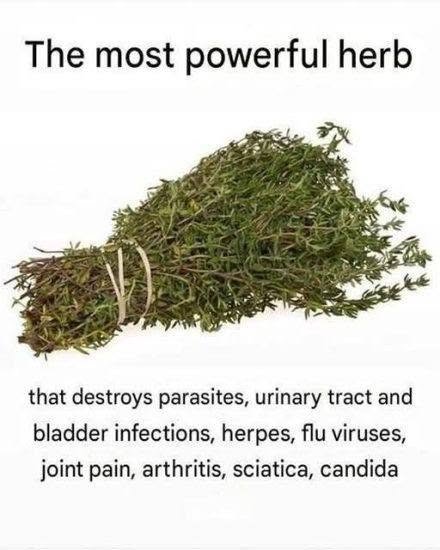
Natural remedies have been used for centuries to support health and fight infections. You may have seen headlines claiming that one herb can destroy parasites, urinary tract infections (UTIs), bladder infections, herpes, and even flu viruses. While some herbs contain compounds with antimicrobial properties, no single herb has been proven to cure all of these conditions in humans.
Instead, research suggests that certain herbs may offer supportive benefits for specific infections. However, serious infections often require medical evaluation and, in many cases, prescription medications.
In this article, we’ll examine the science behind several well-known herbs, their potential benefits, and how to use them safely.
Can One Herb Treat Every Infection?
The short answer is no.
Different infections are caused by different organisms:
- Parasites are caused by organisms such as worms or protozoa.
- UTIs and bladder infections are usually caused by bacteria, most commonly Escherichia coli (E. coli).
- Herpes is caused by the herpes simplex virus (HSV).
- Influenza (flu) is caused by influenza viruses.
Because these organisms are very different, there is no herb that has been scientifically proven to eliminate all of them.
1. Oregano
Oregano contains compounds such as carvacrol and thymol, which have shown antimicrobial activity in laboratory studies.
Potential benefits
Research suggests oregano may:
- Inhibit the growth of some bacteria in laboratory settings
- Show antifungal activity
- Exhibit antiviral effects in test-tube studies
However, there is not enough high-quality evidence to conclude that oregano cures UTIs, herpes, or influenza in humans.
2. Garlic
Garlic has been used medicinally for thousands of years.
Its active compound, allicin, has demonstrated antimicrobial properties in laboratory research.
Garlic may help support:
- Immune function
- Heart health
- Blood pressure management
- Antioxidant protection
While garlic has shown activity against some bacteria, fungi, and viruses in laboratory studies, it should not replace prescribed treatments for infections.
3. Wormwood
Wormwood is a traditional herbal remedy that has historically been used against certain intestinal parasites.
Some compounds in wormwood have shown activity against specific parasites, but treatment depends on the type of parasite involved.
Because wormwood can cause serious side effects at high doses, it should only be used under professional guidance.
4. Cranberry
Although technically a fruit rather than an herb, cranberry is commonly recommended for urinary health.
Some evidence suggests cranberry products may help reduce the risk of recurrent UTIs in certain people by making it harder for bacteria to stick to the urinary tract.
However, cranberry does not reliably treat an active UTI. If you have symptoms such as burning during urination, fever, or back pain, medical evaluation is important.
5. Elderberry
Elderberry has become popular during cold and flu season.
Some studies suggest elderberry may modestly reduce the duration or severity of certain upper respiratory viral illnesses when taken early, but the evidence is mixed and not specific enough to recommend it as a treatment for influenza.
More research is needed.
Herbs That Support Immune Health
While no herb can guarantee protection against infections, several have been studied for their potential immune-supporting properties:
- Ginger
- Turmeric
- Echinacea
- Garlic
- Oregano
- Holy basil
These herbs may complement a healthy lifestyle but should not replace appropriate medical care.
When You Should See a Doctor
Natural remedies are not appropriate for every situation.
Seek medical attention if you have:
- A high fever
- Blood in the urine
- Severe pain during urination
- Persistent vomiting
- Difficulty breathing
- A rash with severe pain or eye involvement
- Symptoms that do not improve or worsen
Prompt treatment can prevent complications, especially with bacterial infections and certain viral illnesses.
Tips for Preventing Common Infections
In addition to eating a balanced diet, you can lower your risk of infection by:
- Washing your hands regularly
- Drinking enough water
- Getting adequate sleep
- Staying up to date with recommended vaccinations
- Practicing safe food handling
- Managing stress
- Avoiding smoking
These habits support your immune system and overall health.
Are Herbal Supplements Safe?
Not always.
Some herbs can:
- Interact with prescription medications
- Affect blood clotting
- Cause allergic reactions
- Lead to liver or kidney problems if taken in large amounts
Always tell your healthcare provider about any supplements you take, especially if you are pregnant, breastfeeding, or managing a chronic health condition.
Final Thoughts
Many herbs, including oregano, garlic, wormwood, ginger, and elderberry, contain natural compounds that have shown antimicrobial or immune-supporting effects in laboratory studies. However, there is no single herb that has been proven to destroy parasites, cure urinary tract or bladder infections, eliminate herpes, and treat influenza viruses.
Herbal remedies may play a supportive role in overall wellness, but they should not replace evidence-based medical treatment for serious or persistent infections. If you suspect you have a parasite, UTI, herpes outbreak, or influenza, consult a qualified healthcare professional for an accurate diagnosis and appropriate care.
Frequently Asked Questions
Can herbs cure urinary tract infections?
There is no strong evidence that herbs alone can cure an active UTI. Bacterial UTIs often require antibiotics prescribed by a healthcare provider.
Is garlic a natural antibiotic?
Garlic contains compounds with antimicrobial activity in laboratory studies, but it is not a substitute for antibiotics when treating bacterial infections.
Can oregano oil kill viruses?
Laboratory studies suggest oregano oil has antiviral properties against some viruses, but there is insufficient evidence that it treats viral infections in humans.
Do natural remedies eliminate parasites?
Some herbs have been traditionally used for certain parasites, but treatment depends on the specific parasite. Prescription antiparasitic medications are often the most effective option.
Can herbs prevent the flu?
No herb has been proven to prevent influenza. Annual flu vaccination, good hygiene, and healthy lifestyle habits remain the most effective preventive measures.
Chicken skin cure all!