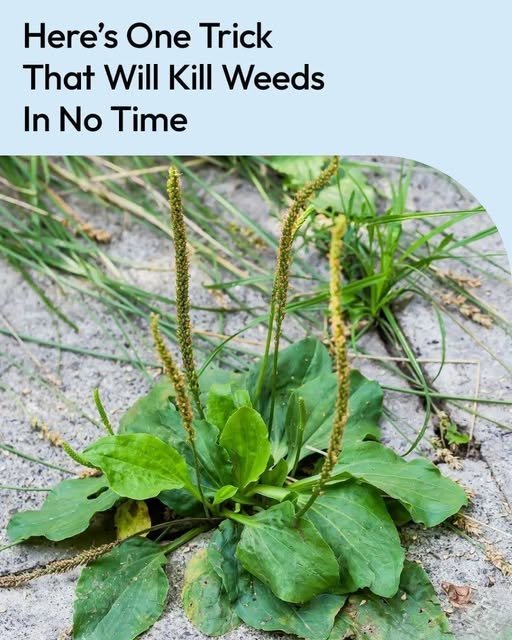
If you’ve ever searched for a natural alternative to chemical weed killers, you’ve probably come across one of the most popular household solutions: vinegar. It’s inexpensive, easy to find, and often promoted as an eco-friendly way to eliminate unwanted weeds. But while vinegar can be effective in certain situations, it’s not the miracle solution many social media posts make it out to be.
Before you reach for the bottle in your kitchen, it’s important to understand how vinegar works, when it’s effective, and the limitations you should know about.
How Does Vinegar Kill Weeds?
The active ingredient in vinegar is acetic acid. When sprayed directly onto a plant’s leaves, acetic acid draws moisture from the plant tissues, causing the leaves to dry out and die.
This effect can make weeds appear dead within a day or two, especially on hot, sunny days. However, the visible results can be misleading.
For many weeds, vinegar only damages the parts of the plant above the soil. If the roots remain healthy, the weed may regrow within days or weeks.
Household Vinegar vs. Horticultural Vinegar
Not all vinegar is the same.
Household White Vinegar
The vinegar commonly used for cooking typically contains about 5% acetic acid. It may be effective against very young, small annual weeds but is generally less successful on mature or deep-rooted plants.
Horticultural Vinegar
Specialty horticultural vinegar contains much higher concentrations of acetic acid, sometimes 20% or more. It is significantly stronger and may control weeds more effectively, but it also poses a greater risk of causing skin burns and eye injuries. It should be handled with appropriate protective equipment and according to the manufacturer’s directions.
The Catch
Here’s the part many people don’t realize: vinegar is a non-selective contact herbicide.
That means it doesn’t distinguish between weeds and desirable plants. If it drifts onto flowers, vegetables, herbs, or your lawn, it can damage or kill those plants as well.
Vinegar can also scorch tender new growth, so careful application is essential.
Which Weeds Respond Best?
Vinegar tends to work best on:
- Young annual weeds
- Small seedlings
- Weeds growing in sidewalk cracks
- Weeds in gravel paths
- Weeds between patio stones
It is generally much less effective against:
- Dandelions
- Thistles
- Plantains
- Bindweed
- Nutgrass (nutsedge)
- Other perennial weeds with extensive root systems
These weeds often regrow because their underground roots survive.
How to Use Vinegar Safely
If you decide to try vinegar for weed control:
- Choose a dry, sunny day with little or no wind.
- Spray the leaves directly, avoiding nearby plants.
- Apply only enough to wet the foliage.
- Keep children and pets away until the spray has dried.
- Wear gloves and eye protection, especially if using concentrated horticultural vinegar.
Avoid spraying before rain, as rainfall can reduce its effectiveness.
Avoid Mixing Unsafe Ingredients
Some online recipes recommend combining vinegar with products such as bleach or other household chemicals. Do not do this. Mixing household chemicals can produce dangerous fumes or create hazardous reactions.
If you choose to use vinegar, use it as directed and avoid experimenting with unsafe mixtures.
Does Adding Dish Soap Help?
A small amount of liquid dish soap is sometimes added as a surfactant, helping the vinegar spread more evenly across weed leaves. While this may improve contact with the foliage, it does not make vinegar kill the roots of perennial weeds.
Use only a small amount if desired, and avoid overapplying, as soaps can also affect nearby plants and soil.
Will Vinegar Harm the Soil?
Small amounts of household vinegar usually break down quickly in the environment. However, repeated or heavy applications—especially of high-strength horticultural vinegar—can temporarily alter soil conditions and may affect beneficial organisms near the surface.
Using vinegar only where needed and avoiding unnecessary applications can help minimize unintended effects.
Other Natural Weed Control Methods
For long-lasting weed management, consider combining several approaches:
- Pull weeds by hand, removing as much of the root as possible.
- Apply mulch around garden plants to block sunlight.
- Use landscape fabric where appropriate.
- Keep garden beds densely planted to reduce open space for weeds.
- Regularly remove weeds before they produce seeds.
- Pouring boiling water on weeds in sidewalk cracks can also be effective for some small weeds, but use caution to avoid burns and damage to nearby plants.
A combination of methods is often more effective than relying on vinegar alone.
Frequently Asked Questions
Does vinegar permanently kill weeds?
Not usually. Household vinegar often kills only the visible leaves, allowing many perennial weeds to regrow from their roots.
Can I use apple cider vinegar?
Apple cider vinegar contains a similar concentration of acetic acid to household white vinegar, but white vinegar is generally preferred because it is less expensive and more practical for outdoor use.
Is vinegar safe for vegetable gardens?
Use caution. Because vinegar is non-selective, accidental overspray can damage vegetables, herbs, flowers, and other desirable plants.
Is stronger vinegar always better?
Higher-strength horticultural vinegar may be more effective on weeds, but it also carries a greater risk of burns and eye injuries. Always follow the product label and use appropriate protective gear.
Final Thoughts
Vinegar can be a useful tool for controlling small, young weeds in certain situations, especially in patios, driveways, and sidewalk cracks. However, it is not a permanent solution for most deep-rooted or perennial weeds, and it can harm any plant it touches.
The best approach to weed control often combines careful use of natural methods, regular maintenance, and prevention. By understanding both the benefits and the limitations of vinegar, you can decide whether it’s the right option for your garden.
Disclaimer: This article is for informational purposes only. Always follow the manufacturer’s instructions when using horticultural products, wear appropriate protective equipment, and avoid applying vinegar where it may damage desirable plants or create safety hazards.