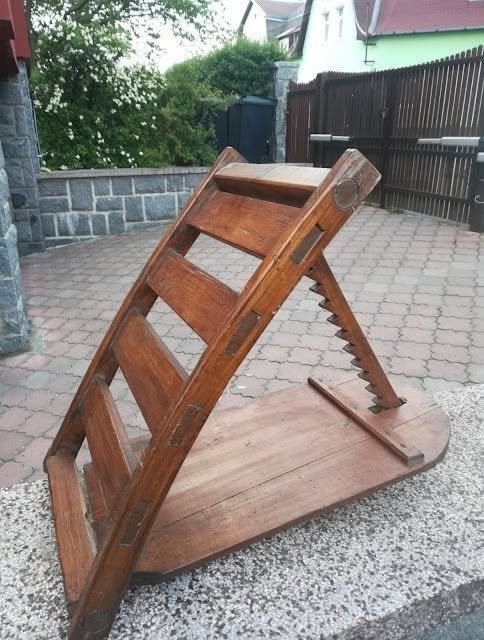
There is something magical about exploring an old house. Hidden behind dusty walls, tucked away in forgotten attics, or buried deep inside aging cabinets, mysterious objects often tell stories that have been waiting decades to be discovered. Whether you’re renovating a century-old farmhouse or helping a family member clean out an inherited property, finding an unusual object can spark curiosity and excitement.
Many people immediately turn to the internet after discovering an unfamiliar item. Questions like, “What is this?” or “What was it used for?” are incredibly common because older generations used tools and household objects that have largely disappeared from modern homes.
In this guide, we’ll explore how to identify mysterious vintage finds, why old household objects remain valuable today, and what you should do before throwing anything away.
Why Old Houses Hide So Many Forgotten Treasures
Older homes often contain objects that have survived multiple generations. Before modern conveniences became common, families relied on durable hand tools, cast iron cookware, manual kitchen gadgets, and handcrafted household equipment.
Unlike today’s disposable products, many vintage items were built to last for decades. Because of their quality, these objects often remain in surprisingly good condition even after years of storage.
Common places where unusual items are discovered include:
- Attics
- Basements
- Barns
- Crawl spaces
- Old kitchen cabinets
- Garden sheds
- Garages
- Behind walls during renovations
- Antique trunks
- Storage closets
Every hidden object has the potential to reveal something about daily life many decades ago.
Common Vintage Kitchen Items People Mistake for Strange Objects
Many mysterious discoveries turn out to be old kitchen tools that younger generations have never seen before.
Examples include:
Butter Churns
Before electric mixers existed, families churned cream into butter by hand using wooden churns.
Hand-Crank Egg Beaters
These manual mixers replaced forks and whisks long before electric appliances became standard.
Cast Iron Cornbread Molds
Decorative molds shaped bread into flowers, fish, corn cobs, or animals.
Potato Ricers
Many people mistake these for unusual presses or gardening tools.
Antique Coffee Grinders
Wall-mounted grinders were once a staple in nearly every kitchen.
Apple Peelers
These fascinating devices peeled, sliced, and cored apples with a rotating hand crank.
Household Objects That Often Confuse Modern Homeowners
Besides kitchen tools, countless household items puzzle first-time discoverers.
Some examples include:
- Washboards
- Flat irons heated on stoves
- Candle molds
- Bed warmers
- Carpet beaters
- Ice tongs
- Clothes wringers
- Manual sewing tools
- Vintage meat grinders
- Rug hooks
- Cast iron trivets
Without historical knowledge, many of these objects appear completely mysterious.
Why Antique Finds Are Becoming Popular Again
Interest in vintage household items has grown dramatically over the past decade.
Collectors appreciate them because they represent:
- Superior craftsmanship
- Sustainable living
- Historical value
- Decorative appeal
- Family heritage
- Functional design
Many homeowners now display antique kitchen tools as rustic farmhouse décor.
Could Your Discovery Be Valuable?
Not every old object is worth money, but some can be surprisingly valuable.
Factors affecting value include:
Age
Generally, older items attract more collector interest.
Rarity
Limited-production pieces often command higher prices.
Condition
Original finishes and minimal damage increase value.
Manufacturer
Recognizable brands can significantly increase collectability.
Historical Importance
Objects connected to specific regions or historical periods may be especially desirable.
Even ordinary kitchen gadgets sometimes sell for impressive amounts if they’re rare.
How to Identify an Unknown Object
If you’ve found something unusual, avoid guessing.
Instead:
Look for Markings
Check for:
- Company names
- Patent dates
- Serial numbers
- Logos
- Country of manufacture
These clues can quickly identify an object.
Compare Online
Photo-search tools and antique collector communities can often identify mysterious items within minutes.
Visit Antique Shops
Experienced antique dealers recognize thousands of vintage household tools.
Ask Historical Museums
Local museums frequently help identify unusual household artifacts.
Should You Clean It?
Many people accidentally reduce an antique’s value by over-cleaning it.
Instead:
- Dust gently with a soft cloth.
- Avoid harsh chemicals.
- Do not sand wood.
- Never polish antique metals aggressively.
- Preserve original paint whenever possible.
Collectors generally prefer original condition over heavy restoration.
Why Vintage Kitchen Tools Were Built Better
Earlier generations expected products to last a lifetime.
Many tools were made from:
- Cast iron
- Solid brass
- Copper
- Hardwood
- Forged steel
- Heavy aluminum
Unlike today’s lightweight plastic alternatives, these materials were designed for decades of regular use.
Some vintage kitchen gadgets still outperform modern versions.
The Stories Hidden Inside Every Old House
Every mysterious object reflects everyday life from another era.
It may have helped prepare family meals, preserve food for winter, sew clothing, repair equipment, or support a household through generations.
These discoveries remind us how much technology has changed while highlighting the ingenuity of earlier generations.
Before You Throw Anything Away
If you’re cleaning an old home, resist the urge to discard unfamiliar objects immediately.
Instead:
- Photograph the item.
- Search for identifying marks.
- Ask antique experts.
- Research its history.
- Store it safely until identified.
Many families later discover that an item they almost discarded held sentimental or historical significance.
Frequently Asked Questions
How do I identify something found in an old house?
Start by looking for manufacturer marks, patent numbers, or logos. Compare photographs with antique reference guides or ask experienced collectors.
Are old kitchen tools worth money?
Some are. Rare cast iron cookware, hand-crank appliances, antique coffee grinders, and unusual household gadgets can be valuable depending on their age, rarity, and condition.
Should I restore an antique object?
Minimal cleaning is usually recommended. Heavy restoration can reduce collector value, especially if it removes original finishes or markings.
Where can I learn more about vintage household items?
Antique museums, historical societies, collector forums, estate sale experts, and antique dealers are excellent resources for identification and historical information.
Final Thoughts
Finding an unknown object in an old house is more than a moment of curiosity—it’s an opportunity to connect with history. From forgotten kitchen gadgets to handcrafted household tools, these discoveries offer a glimpse into the daily lives of past generations. Before discarding any mysterious item, take time to research its purpose and history. What seems like an odd piece of metal or wood today may turn out to be a fascinating artifact with practical, historical, or even monetary value. Every old house has stories to tell, and sometimes those stories begin with a single forgotten object waiting to be rediscovered.