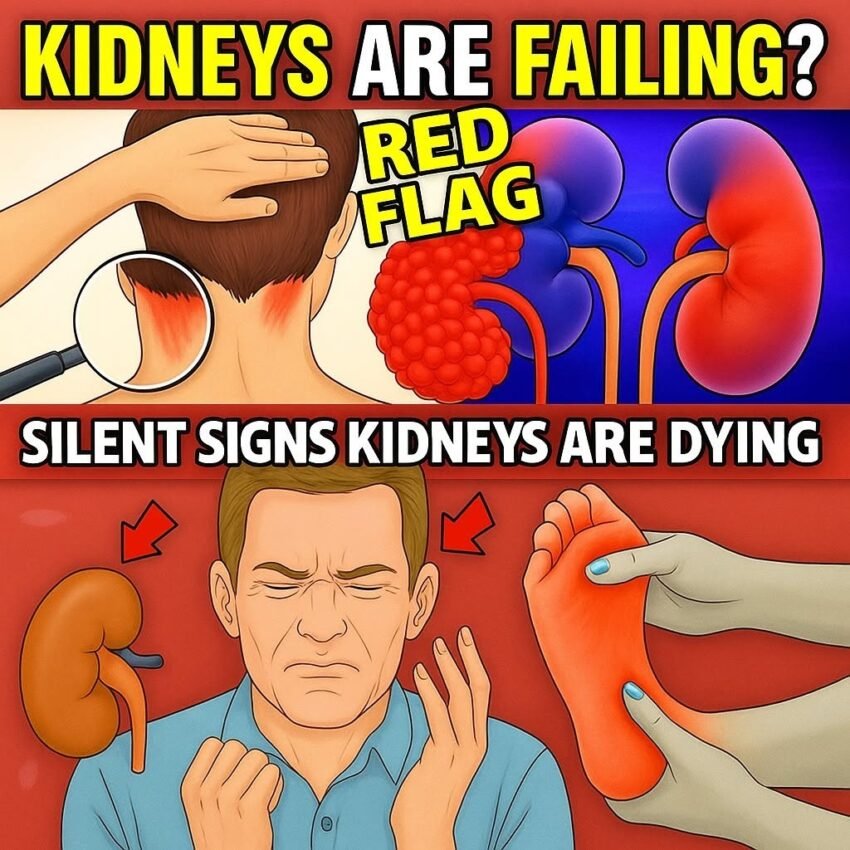
Your kidneys work around the clock to filter waste, balance fluids, regulate blood pressure, and produce hormones that support healthy bones and red blood cell production. Because kidney disease often develops gradually, many people don’t notice symptoms until significant damage has occurred.
Recognizing the early warning signs can help you seek medical advice sooner. While these symptoms do not necessarily mean your kidneys are failing, they are worth discussing with a healthcare professional, especially if they persist or occur alongside risk factors such as diabetes, high blood pressure, or a family history of kidney disease.
1. Persistent Fatigue and Weakness
Healthy kidneys help produce a hormone called erythropoietin, which signals your body to make red blood cells. When kidney function declines, you may develop anemia, leading to:
- Constant tiredness
- Weakness
- Difficulty concentrating
- Reduced stamina
2. Swelling in the Feet, Ankles, or Face
Damaged kidneys may struggle to remove excess fluid and sodium, causing swelling, particularly in the:
- Ankles
- Feet
- Legs
- Hands
- Around the eyes
Persistent swelling should always be evaluated by a healthcare provider.
3. Changes in Urination
One of the earliest signs of kidney problems may be changes in urinary habits, including:
- Urinating more or less often than usual
- Waking frequently at night to urinate
- Foamy or bubbly urine
- Blood in the urine
- Dark-colored urine
Any blood in the urine requires prompt medical evaluation.
4. Puffy Eyes
Protein leaking into the urine can be an early sign of kidney damage. This may cause puffiness around the eyes, especially in the morning.
5. Muscle Cramps
Kidney disease can disrupt the balance of electrolytes such as calcium, potassium, and sodium. These imbalances may contribute to:
- Muscle cramps
- Muscle twitching
- Leg cramps, particularly at night
6. Dry, Itchy Skin
Healthy kidneys help maintain the balance of minerals in your blood. Kidney disease can lead to dry, itchy skin due to changes in mineral levels and waste buildup.
7. Loss of Appetite, Nausea, or Vomiting
As waste products accumulate in the bloodstream, some people experience:
- Poor appetite
- Nausea
- Vomiting
- An unpleasant metallic taste in the mouth
These symptoms can have many causes, but persistent symptoms should be assessed by a healthcare professional.
8. Shortness of Breath
Kidney disease may contribute to shortness of breath through:
- Fluid buildup in the lungs
- Anemia caused by reduced kidney function
Seek immediate medical attention if shortness of breath is sudden or severe.
9. Difficulty Concentrating
A reduced oxygen supply from anemia or the buildup of waste products may affect brain function, leading to:
- Brain fog
- Trouble concentrating
- Memory problems
- Reduced alertness
10. High Blood Pressure That’s Difficult to Control
High blood pressure is both a cause and a consequence of kidney disease. If your blood pressure remains elevated despite treatment, your healthcare provider may recommend tests to evaluate your kidney function.
Who Is Most at Risk?
Your risk of chronic kidney disease is higher if you have:
- Diabetes
- High blood pressure
- Heart disease
- Obesity
- A family history of kidney disease
- Age over 60
- A history of smoking
When Should You See a Doctor?
Schedule a medical evaluation if you experience persistent symptoms such as swelling, changes in urination, fatigue, or blood in your urine. Your healthcare provider may recommend simple blood and urine tests to assess kidney function.
Seek emergency medical care immediately if you experience severe shortness of breath, chest pain, confusion, or you stop producing urine.
How to Protect Your Kidneys
Healthy habits can help lower your risk of kidney disease:
- Keep your blood pressure and blood sugar under control.
- Stay physically active.
- Eat a balanced diet that is low in excess salt.
- Stay well hydrated unless your healthcare provider advises otherwise.
- Avoid smoking and limit alcohol.
- Use over-the-counter pain relievers, such as ibuprofen or naproxen, only as directed, as long-term or excessive use can harm the kidneys.
- Have regular health checkups if you’re at higher risk.
Final Thoughts
Kidney disease often develops quietly, which is why regular checkups and attention to persistent symptoms are so important. While the signs listed above can be associated with kidney problems, they can also result from many other medical conditions. The only way to know for sure is through proper medical evaluation and testing.
Early detection can help slow the progression of kidney disease and improve long-term health outcomes.