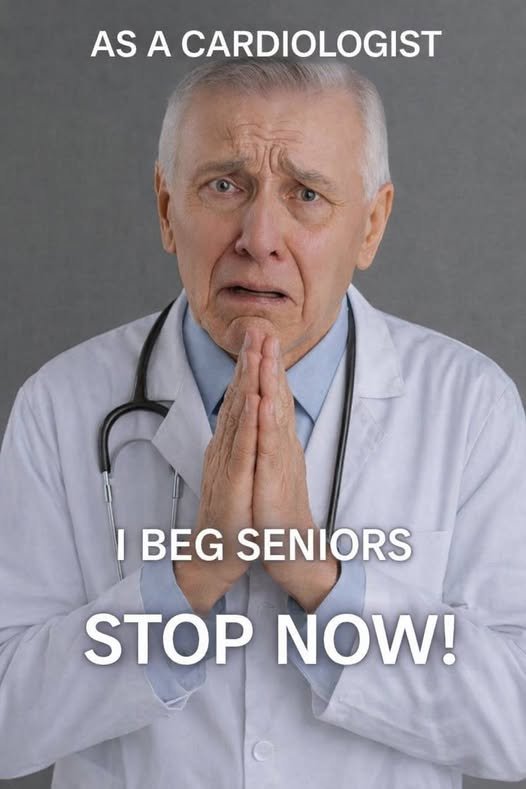
Headlines such as “Heart Surgeon Warns: This Popular Pill Weakens Seniors’ Hearts” are designed to grab attention. While some medications can affect heart function or increase cardiovascular risks in certain people, there is no single “popular pill” that universally weakens the hearts of older adults.
As we age, our bodies process medications differently. Changes in kidney function, liver metabolism, and interactions with other prescriptions can make seniors more sensitive to side effects. That’s why medications that are generally safe for younger adults may require closer monitoring in older individuals.
Rather than stopping a medication because of a viral headline, it’s important to understand which medicines may pose risks, who is most affected, and when to speak with a healthcare provider.
Why Older Adults Are More Sensitive to Medications
Several age-related changes can influence how medicines work:
- Slower metabolism
- Reduced kidney function
- Changes in body fat and muscle mass
- Multiple chronic health conditions
- Taking several medications at once (polypharmacy)
These factors can increase the risk of side effects, including those that affect the heart.
Medications That May Affect Heart Health in Some Seniors
The following medication categories may affect heart health in certain situations. This does not mean everyone should avoid them.
1. NSAID Pain Relievers
Examples include:
- Ibuprofen
- Naproxen
Long-term or high-dose use may:
- Raise blood pressure
- Cause fluid retention
- Increase the workload on the heart
- Worsen heart failure in susceptible individuals
People with existing heart disease should ask their healthcare provider whether these medications are appropriate.
2. Certain Decongestants
Cold medicines containing ingredients such as pseudoephedrine can:
- Increase blood pressure
- Raise heart rate
- Trigger palpitations in some people
Individuals with uncontrolled hypertension or certain heart conditions should seek medical advice before using them.
3. Some Diabetes Medications
While many diabetes medications provide important benefits, some may require dose adjustments or monitoring in older adults, particularly if kidney function changes.
Treatment decisions should always be individualized.
4. Some Anti-Inflammatory Steroids
Long-term use of corticosteroids may contribute to:
- High blood pressure
- Fluid retention
- Increased blood sugar
- Weight gain
These effects can place additional strain on the cardiovascular system.
5. Certain Heart Rhythm Medications
Some medications used to treat irregular heartbeats require careful monitoring because they can affect heart rhythm or interact with other drugs.
Regular follow-up is essential.
The Importance of Medication Reviews
Many older adults take five or more prescription medications.
Regular medication reviews with a healthcare provider can help identify:
- Drug interactions
- Duplicate medications
- Unnecessary prescriptions
- Opportunities for safer alternatives
Never stop a prescribed medication without consulting the clinician who prescribed it.
Warning Signs That Need Medical Attention
Contact a healthcare provider promptly if you experience:
- New or worsening shortness of breath
- Chest pain
- Fainting
- Rapid or irregular heartbeat
- Swelling of the legs or ankles
- Sudden unexplained weight gain
- Severe dizziness
Seek emergency care immediately for symptoms that could indicate a heart attack or stroke.
How Seniors Can Protect Their Hearts
Healthy habits remain one of the best ways to support heart health:
- Take medications exactly as prescribed.
- Attend regular medical checkups.
- Monitor blood pressure if advised.
- Stay physically active within your abilities.
- Eat a balanced diet rich in fruits, vegetables, whole grains, and lean proteins.
- Avoid smoking.
- Limit alcohol if recommended.
- Get adequate sleep.
Common Myths
Myth: One pill weakens every senior’s heart.
Reality: No medication affects every person the same way. Risks depend on the drug, dose, medical history, and individual health.
Myth: Natural supplements are always safer than prescription medicines.
Reality: Some supplements can interact with heart medications or increase bleeding risk. Always discuss supplements with your healthcare provider.
Myth: If a medication has side effects, you should stop it immediately.
Reality: Suddenly stopping certain medications can be dangerous. Always consult your healthcare provider before making changes.
Frequently Asked Questions
Should seniors avoid pain relievers?
Not necessarily. Some pain relievers may increase cardiovascular risk in certain people, but many seniors can use them safely under medical guidance.
Can medications cause heart failure?
Some medications may worsen existing heart failure or increase fluid retention in susceptible individuals, but this depends on the specific drug and the person’s health.
Should I stop taking my heart medication after reading online warnings?
No. Continue taking prescribed medications unless your healthcare provider instructs you otherwise.
How often should medications be reviewed?
Many experts recommend reviewing medications at least once a year—or more often if new prescriptions are added or health conditions change.
Final Thoughts
Attention-grabbing headlines can make it sound as though one common pill is secretly harming all older adults, but the reality is far more nuanced. Certain medications can affect heart health in some seniors, particularly when taken in high doses, for long periods, or alongside other medicines. However, these risks vary from person to person.
The safest approach is to take medications exactly as prescribed, attend regular medical reviews, and speak with your healthcare provider if you have concerns about side effects. Never stop or change a medication based solely on information found online.
SEO Keywords
heart surgeon warns, medications that affect seniors’ hearts, popular pill and heart health, medicines that weaken the heart, heart health in older adults, NSAIDs and heart disease, medication safety for seniors, drug interactions in elderly, heart failure medications, senior heart care, prescription safety, cardiovascular health, healthy aging, medication review, heart disease prevention