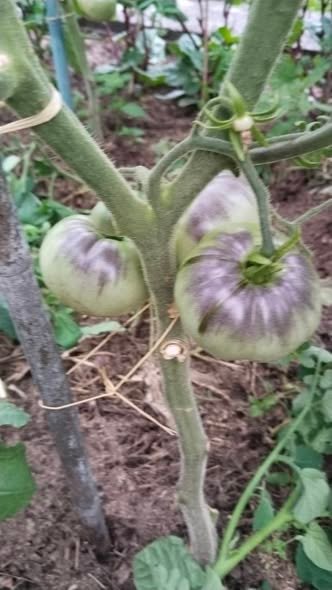
There is something deeply satisfying about walking into a garden filled with lush, healthy vegetables. The vibrant shades of green, the colorful fruits and leaves, and the fresh scent of the soil create an environment that feels peaceful and inviting. Many gardeners say that simply looking at a thriving vegetable garden helps them relax after a busy day.
Beyond its beauty, a vegetable garden provides fresh, nutritious produce while encouraging a healthier lifestyle. Whether you have a large backyard, a few raised beds, or several containers on a balcony, growing your own vegetables can be both rewarding and practical.
This guide explores the benefits of maintaining a healthy garden, organic growing methods, compost recipes, natural pest control, and tips for producing abundant harvests throughout the season.
Why a Vegetable Garden Is Good for You
Growing vegetables offers much more than fresh food.
A healthy garden can provide:
- Fresh organic produce
- Daily physical activity
- Reduced grocery expenses
- A relaxing outdoor hobby
- Opportunities to learn new skills
- Habitat for pollinators
- Greater appreciation for nature
Many people find gardening to be a calming activity that encourages mindfulness and helps reduce everyday stress.
The Beauty of a Healthy Garden
A flourishing vegetable garden is full of life.
You may see:
- Bright green leaves
- Blooming flowers
- Butterflies visiting blossoms
- Bees pollinating crops
- Birds searching for insects
- Earthworms improving the soil
These natural interactions contribute to a healthy garden ecosystem.
Best Vegetables to Grow
Many vegetables are suitable for home gardens.
Popular choices include:
- Tomatoes
- Cucumbers
- Bell peppers
- Eggplants
- Carrots
- Lettuce
- Spinach
- Kale
- Beans
- Peas
- Onions
- Garlic
- Sweet potatoes
- Radishes
- Okra
Choose varieties that are well adapted to your local climate and growing season.
Preparing Healthy Soil
Healthy soil is the foundation of a productive garden.
Good garden soil should be:
- Loose
- Well-drained
- Rich in organic matter
- Full of beneficial microorganisms
Improve soil by adding:
- Finished compost
- Leaf mold
- Well-rotted manure
- Coconut coir
- Aged bark
- Organic mulch
Avoid using fresh manure directly around edible crops, as it can contain harmful bacteria.
Homemade Organic Compost
Ingredients
- Vegetable scraps
- Fruit peels
- Dry leaves
- Grass clippings
- Coffee grounds
- Crushed eggshells
Avoid adding:
- Meat
- Dairy products
- Oily foods
- Diseased plants
Mix green and brown materials, keep the pile moist, and turn it regularly to encourage decomposition.
Compost Tea Recipe
Compost tea is often used as a liquid soil amendment.
Ingredients
- 2 cups finished compost
- 1 gallon (3.8 L) non-chlorinated water
- 1 tablespoon unsulfured molasses (optional)
Instructions
- Place the compost in a cloth bag.
- Soak it in water for 24–48 hours.
- Stir occasionally.
- Strain if needed.
- Apply to the soil around plants shortly after brewing.
Compost tea should complement—not replace—good soil management and balanced fertilization.
Watering Tips
Most vegetables prefer consistent moisture.
General recommendations:
- Water deeply rather than frequently.
- Water early in the morning.
- Avoid wetting leaves when possible.
- Adjust watering based on rainfall and soil conditions.
Overwatering can lead to root rot and other plant problems.
Natural Mulching
Mulch offers many benefits:
- Conserves soil moisture
- Reduces weeds
- Moderates soil temperature
- Adds organic matter over time
Suitable mulches include:
- Straw
- Shredded leaves
- Pine needles
- Compost
- Dried grass clippings
Keep mulch a few inches away from plant stems to reduce the risk of rot.
Organic Fertilizers
Natural fertilizer options include:
- Compost
- Worm castings
- Fish emulsion
- Seaweed extract
- Bone meal
- Blood meal
- Kelp meal
A soil test can help determine which nutrients your garden needs.
Companion Planting
Certain plants are commonly grown together to make efficient use of space and support beneficial insects.
Examples include:
- Tomatoes with basil
- Carrots with onions
- Beans with corn
- Marigolds near vegetables to attract pollinators and add visual interest
While companion planting is popular, scientific evidence for specific pest-control claims varies.
Natural Pest Control
Healthy gardens naturally attract both beneficial and harmful insects.
Helpful insects include:
- Ladybugs
- Lacewings
- Praying mantises
- Hoverflies
To reduce pest problems:
- Inspect plants regularly.
- Remove damaged leaves.
- Hand-pick larger pests when practical.
- Encourage beneficial insects with flowering plants.
- Use insecticidal soap or horticultural oils according to label directions when necessary.
Harvesting at the Right Time
Harvest vegetables when they reach their ideal size and maturity.
Regular harvesting can encourage continued production in crops such as:
- Beans
- Cucumbers
- Zucchini
- Tomatoes
Handle produce carefully to avoid bruising.
Why Gardening Is Relaxing
Many gardeners describe time in the garden as a form of relaxation.
Gardening can involve:
- Gentle physical activity
- Time outdoors
- Exposure to nature
- Creative planning
- A sense of accomplishment
These experiences may contribute to improved mood and reduced stress for many people.
Common Gardening Mistakes
Avoid these common errors:
- Overwatering
- Planting too closely
- Ignoring soil quality
- Using too much fertilizer
- Harvesting too late
- Neglecting weeds
- Forgetting crop rotation
Learning from mistakes is part of becoming a successful gardener.
Frequently Asked Questions
Can I grow vegetables in containers?
Yes. Many vegetables grow well in containers as long as they receive enough sunlight, water, and nutrients.
How much sunlight do vegetables need?
Most vegetables grow best with 6–8 hours of direct sunlight each day.
Is compost enough fertilizer?
Compost improves soil and provides nutrients, but some crops may benefit from additional fertilization depending on soil conditions and plant needs.
Do I need pesticides?
Not always. Good gardening practices, healthy soil, crop rotation, and encouraging beneficial insects often help reduce pest problems.
Final Thoughts
A healthy vegetable garden offers far more than fresh produce. It creates a peaceful outdoor space where you can connect with nature, enjoy gentle exercise, and grow nutritious food for your family. While organic methods such as composting, mulching, and natural pest management can help support healthy plants, successful gardening ultimately depends on consistent care, good soil, and suitable growing conditions.
Whether you’re growing tomatoes, leafy greens, herbs, or root vegetables, every harvest is a reminder that patience and care can transform a handful of seeds into a thriving, beautiful garden.
SEO Keywords
healthy garden vegetables, organic vegetable gardening, home vegetable garden, organic compost recipe, compost tea for vegetables, natural garden fertilizer, vegetable gardening tips, healthy organic garden, backyard vegetable garden, natural pest control, grow vegetables at home, gardening for beginners, organic gardening guide, garden relaxation benefits, sustainable vegetable gardening, healthy soil for vegetables, raised bed gardening, container vegetable garden, fresh homegrown vegetables, organic gardening methods