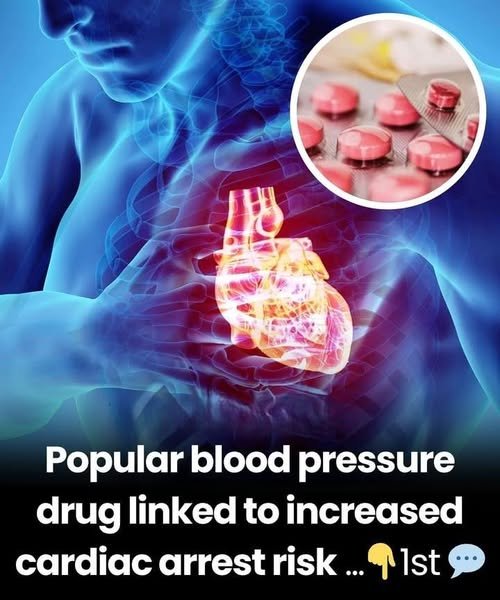
Headlines claiming that a popular blood pressure drug increases the risk of cardiac arrest can be alarming. However, these stories often leave out important context. Research may identify a possible association in certain groups of patients, but that does not necessarily mean the medication directly causes cardiac arrest or that people should stop taking it.
If you take medication for high blood pressure, never stop it without speaking to your healthcare provider, as uncontrolled hypertension itself greatly increases the risk of heart attack, stroke, heart failure, and kidney disease.
Understanding Cardiac Arrest
Cardiac arrest occurs when the heart suddenly stops beating effectively, causing blood flow to the brain and other organs to stop. It is a medical emergency that requires immediate CPR and defibrillation.
Common risk factors include:
- Coronary artery disease
- Heart attack
- Heart failure
- Dangerous heart rhythm disorders
- Severe electrolyte imbalances
- Certain inherited heart conditions
Which Blood Pressure Medications Are Being Discussed?
Occasionally, studies examine whether specific medications or combinations of medications may affect heart rhythm in certain patients.
These may include:
- Diuretics
- Beta blockers
- Calcium channel blockers
- ACE inhibitors
- Angiotensin receptor blockers (ARBs)
In some cases, the concern is not the medication itself but factors such as:
- Low potassium or magnesium levels
- Kidney disease
- Drug interactions
- High doses
- Existing heart rhythm problems
Most blood pressure medications have been extensively studied and are considered safe and effective when prescribed appropriately.
Why Some Studies Show Increased Risk
Research findings can be misunderstood.
A study may report an increased relative risk in a specific population, but that does not mean every person taking the drug is at high risk.
Researchers consider many factors, including:
- Age
- Existing heart disease
- Other medications
- Diabetes
- Smoking
- Kidney function
- Lifestyle
Sometimes the underlying illness—not the medication—is responsible for the increased risk.
Never Stop Your Medication Suddenly
Stopping blood pressure medication without medical advice may lead to:
- Severe high blood pressure
- Stroke
- Heart attack
- Heart failure
- Kidney damage
Always discuss concerns with your healthcare provider before making changes.
Signs of a Heart Emergency
Seek emergency medical care immediately if you experience:
- Sudden chest pain or pressure
- Severe shortness of breath
- Fainting
- Loss of consciousness
- Sudden collapse
- Rapid or irregular heartbeat with dizziness
Heart-Healthy Lifestyle Tips
Along with taking prescribed medication:
- Eat plenty of fruits and vegetables.
- Reduce excess salt intake.
- Exercise regularly if approved by your healthcare provider.
- Maintain a healthy weight.
- Avoid smoking.
- Limit alcohol.
- Get adequate sleep.
- Manage stress.
- Attend regular medical checkups.
Frequently Asked Questions
Should I stop taking my blood pressure medicine after reading alarming headlines?
No. Continue taking it as prescribed unless your healthcare provider advises otherwise.
Can blood pressure medications cause heart rhythm problems?
Some medications may affect electrolytes or heart rhythm in certain people, but the benefits usually outweigh the risks when they are used correctly and monitored appropriately.
How can I lower my risk of cardiac arrest?
The best approach includes controlling blood pressure, managing cholesterol and diabetes if present, avoiding smoking, staying physically active, and following your healthcare provider’s treatment plan.
Final Thoughts
Headlines about a “popular blood pressure drug linked to increased cardiac arrest risk” often oversimplify complex research. While certain medications may require monitoring in specific situations, blood pressure medicines save lives by reducing the risk of heart attack, stroke, and heart failure. If you have concerns about your prescription, discuss them with your healthcare provider rather than stopping treatment on your own.