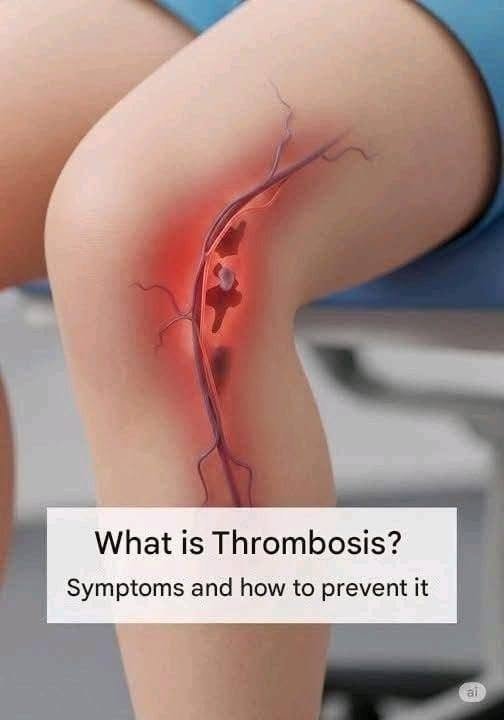
Thrombosis is a condition in which a blood clot forms inside a blood vessel, partially or completely blocking blood flow. While blood clots are essential for stopping bleeding after an injury, clots that form inside veins or arteries without a good reason can become life-threatening. If left untreated, thrombosis can lead to serious complications such as a heart attack, stroke, or pulmonary embolism.
Recognizing the early symptoms of thrombosis can help you seek medical attention before the condition becomes dangerous. Here are the most common warning signs.
What Is Thrombosis?
Thrombosis occurs when a blood clot develops inside a vein or artery. The two main types are:
- Deep Vein Thrombosis (DVT): A clot usually forms in a deep vein of the leg or pelvis.
- Arterial Thrombosis: A clot forms in an artery, reducing blood flow to vital organs such as the heart or brain.
1. Swelling in One Leg or Arm
One of the earliest signs of deep vein thrombosis is swelling in one leg, ankle, foot, or occasionally an arm.
The swelling may:
- Develop suddenly or gradually.
- Affect only one side of the body.
- Feel tight or uncomfortable.
Swelling that appears without an obvious injury should always be evaluated by a healthcare professional.
2. Leg Pain or Cramping
Many people describe the pain as:
- A persistent cramp.
- A dull ache.
- Tenderness in the calf.
- Pain that worsens while standing or walking.
The discomfort usually affects only one leg.
3. Warm Skin Over the Affected Area
A blood clot can increase inflammation, making the skin over the clot feel noticeably warmer than the surrounding area.
This warmth often accompanies swelling and pain.
4. Red or Discolored Skin
The skin may appear:
- Red
- Bluish
- Purplish
- Darker than normal
Color changes often occur over the swollen area.
5. Visible Enlarged Veins
Some people notice enlarged surface veins that become more visible because blood is being redirected around the clot.
6. Shortness of Breath
If a clot breaks loose and travels to the lungs, it can cause a pulmonary embolism, which is a medical emergency.
Symptoms include:
- Sudden shortness of breath.
- Rapid breathing.
- Difficulty catching your breath.
Seek emergency medical care immediately if this occurs.
7. Chest Pain
Chest pain caused by a pulmonary embolism often:
- Appears suddenly.
- Becomes worse with deep breathing.
- Feels sharp or stabbing.
Emergency treatment is essential.
8. Coughing Up Blood
Although uncommon, coughing up blood may occur when a clot reaches the lungs.
This symptom requires immediate emergency evaluation.
9. Rapid Heartbeat
A fast or irregular heartbeat may occur because the heart is working harder to pump blood around the blockage.
When combined with chest pain or shortness of breath, seek emergency care.
10. Sudden Weakness or Numbness
If a blood clot blocks blood flow to the brain, it can cause a stroke.
Warning signs include:
- Sudden weakness on one side of the body.
- Numbness.
- Difficulty speaking.
- Vision problems.
- Confusion.
- Severe headache.
Call emergency services immediately if these symptoms appear.
Who Is at Higher Risk?
Your risk of thrombosis increases if you:
- Are over 60 years old.
- Sit for long periods, such as during long flights or car rides.
- Have recently had surgery.
- Smoke.
- Are overweight or obese.
- Have cancer.
- Are pregnant or have recently given birth.
- Take certain hormone medications.
- Have a family history of blood clots.
- Have inherited clotting disorders.
How Is Thrombosis Diagnosed?
A healthcare provider may use:
- A physical examination.
- Ultrasound imaging.
- Blood tests such as a D-dimer test.
- CT or MRI scans in certain situations.
- Additional imaging if pulmonary embolism is suspected.
Treatment Options
Treatment depends on the location and severity of the clot and may include:
- Blood-thinning medications (anticoagulants).
- Clot-dissolving medications in selected emergencies.
- Compression stockings for some people with DVT.
- Procedures to remove or break up the clot in severe cases.
- Lifestyle changes to reduce the risk of future clots.
Always follow your healthcare provider’s recommendations, as treatment is individualized.
Can Thrombosis Be Prevented?
You can lower your risk by:
- Staying physically active.
- Avoiding prolonged sitting.
- Drinking enough water.
- Maintaining a healthy weight.
- Quitting smoking.
- Managing conditions such as diabetes and high blood pressure.
- Wearing compression stockings if recommended by your healthcare provider.
- Taking prescribed blood-thinning medications exactly as directed if you are at increased risk.
When Should You Seek Emergency Care?
Seek emergency medical attention immediately if you experience:
- Sudden shortness of breath.
- Chest pain.
- Coughing up blood.
- Sudden weakness or numbness.
- Difficulty speaking.
- Sudden vision changes.
- Severe dizziness or fainting.
These symptoms may indicate a pulmonary embolism or stroke, both of which require urgent treatment.
Final Thoughts
Thrombosis can develop with few warning signs, but paying attention to symptoms such as swelling in one leg, persistent calf pain, skin warmth, redness, sudden shortness of breath, or chest pain can save your life. Early diagnosis and prompt treatment greatly reduce the risk of serious complications. If you notice symptoms that could indicate a blood clot, do not ignore them—seek medical evaluation as soon as possible.