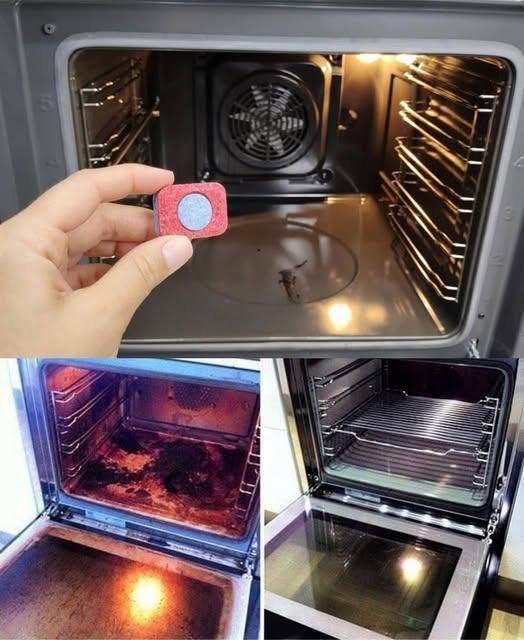
Cleaning the oven is one of those household chores that many people put off for as long as possible. Burnt grease, baked-on food, and stubborn stains can make your oven look impossible to clean. Fortunately, you don’t need expensive chemical cleaners to restore your oven’s shine.
A simple combination of natural household ingredients can loosen grime, eliminate odors, and leave your oven sparkling clean. This eco-friendly cleaning method is affordable, effective, and much safer than many commercial oven cleaners.
In this guide, you’ll learn a step-by-step organic oven cleaning recipe that uses common kitchen ingredients to tackle even tough messes.
Why Choose Natural Oven Cleaners?
Commercial oven cleaners often contain strong chemicals that may release irritating fumes. While they can be effective, many people prefer natural alternatives because they:
- Avoid harsh chemical odors
- Are budget-friendly
- Use ingredients already found in most kitchens
- Reduce environmental impact
- Are gentler on surfaces when used correctly
Natural cleaning solutions work especially well for regular oven maintenance.
Organic Oven Cleaning Recipe
Ingredients
- ½ cup baking soda
- 2–3 tablespoons water
- White vinegar in a spray bottle
- 1 lemon
- Warm water
- Soft sponge
- Microfiber cloth
- Rubber gloves (optional)
Step 1: Remove Oven Racks
Take out the oven racks before beginning.
Soak them in hot water with a little dish soap for several hours or overnight.
Scrub gently using a non-abrasive sponge before rinsing.
Step 2: Make the Baking Soda Paste
Mix:
- ½ cup baking soda
- 2–3 tablespoons water
Stir until you have a thick paste similar to toothpaste.
If needed, add a few drops of water until smooth.
Step 3: Apply the Paste
Spread the baking soda paste across the interior of the oven.
Focus on:
- Oven floor
- Side walls
- Back panel
- Inside the oven door
Avoid covering heating elements.
The paste may turn brown as it lifts grease and grime.
Step 4: Let It Sit
Leave the paste on for at least 8 hours.
For heavily soiled ovens, let it sit overnight.
This resting period allows the baking soda to soften stubborn baked-on residue.
Step 5: Spray with Vinegar
Fill a spray bottle with white vinegar.
Lightly spray every area covered with baking soda.
The bubbling reaction helps loosen dirt and grease.
Allow it to fizz for several minutes.
Step 6: Wipe Everything Clean
Use a damp microfiber cloth or sponge to wipe away the paste.
Rinse your cloth frequently with warm water.
Repeat until all residue disappears.
Step 7: Use Lemon for Freshness
Cut one lemon in half.
Rub the cut side across the oven walls and door.
Alternatively:
- Place lemon slices in a heatproof dish filled with water.
- Heat the oven at a low temperature for about 20 minutes.
- Allow it to cool before wiping the interior.
The steam helps loosen remaining grease while leaving a fresh citrus scent.
How to Clean the Oven Door Glass
Mix:
- Baking soda
- Small amount of water
Spread onto the glass.
Wait 20–30 minutes.
Wipe clean using a damp cloth.
Dry with a microfiber towel for a streak-free finish.
Cleaning Oven Racks Naturally
After soaking:
Sprinkle baking soda over the racks.
Spray lightly with vinegar.
Allow the fizzing reaction to work for 10 minutes.
Scrub gently with a soft brush.
Rinse thoroughly and dry before replacing.
Remove Tough Burnt Spots
If stubborn stains remain:
- Apply another layer of baking soda paste.
- Leave for several hours.
- Scrub gently using a non-scratch sponge.
- Repeat if necessary.
Patience often works better than excessive scrubbing.
Tips to Keep Your Oven Cleaner Longer
- Wipe spills after the oven cools.
- Use a baking tray beneath dishes that may overflow.
- Clean small splatters weekly.
- Deep clean every two to three months.
- Avoid allowing grease to build up over time.
Regular maintenance makes future cleaning much easier.
Mistakes to Avoid
Avoid these common errors:
- Using steel wool on glass.
- Spraying vinegar directly onto heating elements.
- Mixing bleach with vinegar or other cleaners.
- Scraping surfaces with sharp metal tools.
- Cleaning while the oven is still hot.
Gentle methods help protect your oven’s finish.
Benefits of This Natural Cleaning Method
This homemade cleaner offers several advantages:
- Affordable ingredients
- Simple preparation
- No harsh chemical fumes
- Effective grease removal
- Fresh natural scent
- Environmentally friendly
- Easy to repeat whenever needed
Frequently Asked Questions
Does baking soda really clean ovens?
Yes. Baking soda is mildly abrasive and helps loosen grease and baked-on food without scratching most oven surfaces.
Can vinegar damage an oven?
White vinegar is generally safe for routine cleaning when used appropriately. Avoid spraying directly onto electrical or heating components.
How often should I clean my oven?
A deep clean every two to three months is suitable for many households, with spot cleaning after spills as needed.
Can I use lemon alone?
Lemon helps freshen odors and soften light grease, but combining it with baking soda and vinegar is usually more effective for heavy buildup.
Final Thoughts
Keeping your oven clean doesn’t require expensive specialty products or harsh chemicals. With baking soda, white vinegar, and fresh lemon, you can remove grease, lift stubborn stains, and refresh your oven using simple ingredients that many households already have.
Making this natural cleaning routine part of your regular home maintenance can help prevent heavy buildup, reduce odors, and keep your oven looking its best while avoiding unnecessary exposure to strong chemical cleaners.