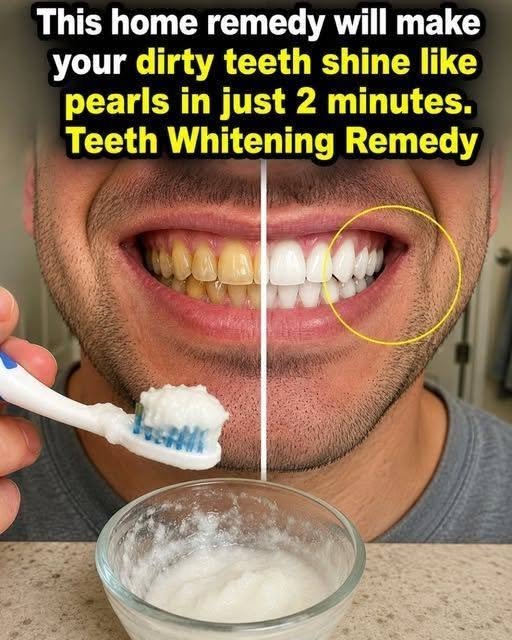
A bright, healthy-looking smile is something many people value at every stage of life. As we age, however, teeth naturally become less white due to years of exposure to foods, drinks, and normal wear. While professional whitening treatments are available, many adults over 60 are looking for gentle, affordable ways to support a cleaner, brighter-looking smile at home.
A simple daily oral care routine—combined with healthy habits—can help reduce surface stains and improve the overall appearance of your teeth. While no home remedy can dramatically whiten teeth overnight, consistent care can make a noticeable difference over time.
In this article, we’ll explore why teeth discolor with age, the best at-home habits for maintaining a brighter smile, and which popular remedies are safe and which should be avoided.
Why Teeth Become Less White With Age
Tooth color naturally changes over the years for several reasons.
1. Thinning Enamel
The outer layer of your teeth, called enamel, gradually wears down with age. As it becomes thinner, the naturally yellow dentin underneath becomes more visible.
2. Food and Drink Stains
Dark-colored beverages and foods can stain enamel over time, including:
- Coffee
- Tea
- Red wine
- Cola
- Berries
- Tomato-based sauces
- Soy sauce
3. Tobacco Use
Smoking or chewing tobacco can leave stubborn yellow or brown stains that are difficult to remove without professional cleaning.
4. Certain Medications
Some medications and medical treatments may contribute to tooth discoloration. If you’re concerned about medication-related staining, discuss it with your dentist or healthcare provider.
5. Dry Mouth
Dry mouth becomes more common with age and can increase plaque buildup because saliva helps wash away food particles and bacteria.
A Gentle At-Home Routine for Brighter-Looking Teeth
Step 1: Brush Twice Daily
Brush your teeth for two minutes, twice a day, using a soft-bristled toothbrush and a fluoride toothpaste. Brushing removes plaque and surface stains before they become more noticeable.
Electric toothbrushes may improve plaque removal for some people, especially those with reduced hand dexterity.
Step 2: Floss Every Day
Flossing removes food particles and plaque from between the teeth—areas that a toothbrush cannot fully reach.
Daily flossing helps keep gums healthy and supports an overall cleaner smile.
Step 3: Rinse With Water After Meals
After drinking coffee, tea, or other stain-causing beverages, rinse your mouth with plain water.
This simple habit may reduce the amount of staining over time.
Step 4: Wait Before Brushing After Acidic Foods
After consuming citrus fruits or acidic drinks, wait about 30 minutes before brushing. Acid temporarily softens enamel, and brushing immediately may contribute to enamel wear.
Step 5: Schedule Regular Dental Cleanings
Professional cleanings remove hardened plaque (tartar) and surface stains that cannot be removed by brushing alone.
Regular dental visits also allow early detection of cavities, gum disease, and other oral health concerns.
Foods That Support Oral Health
A balanced diet benefits both your teeth and gums.
Consider including:
- Apples
- Carrots
- Celery
- Leafy greens
- Cheese
- Plain yogurt
- Almonds
- Water
Crunchy fruits and vegetables can help stimulate saliva production, while dairy products provide calcium that supports strong teeth.
Stay Hydrated
Drinking enough water throughout the day helps:
- Wash away food particles
- Reduce dry mouth
- Support healthy saliva production
- Freshen breath
Hydration is particularly important for older adults who take medications that may reduce saliva.
Whitening Toothpastes
Some whitening toothpastes contain mild polishing agents that help remove surface stains.
While they can improve the appearance of stained enamel, they do not change the natural color of the tooth or whiten deep internal discoloration.
Follow the directions on the product label and avoid excessive brushing pressure.
Popular DIY Remedies: What to Know
Several home remedies are frequently promoted online, but not all are supported by evidence.
Baking Soda
Baking soda has mild abrasive properties and may help remove some surface stains when used occasionally in toothpaste formulations or as recommended by a dental professional.
However, frequent brushing with plain baking soda alone may not provide adequate cavity protection because it does not contain fluoride.
Hydrogen Peroxide
Some over-the-counter whitening products contain low concentrations of hydrogen peroxide.
Use only products designed for oral care and follow the instructions carefully. Do not use industrial-strength hydrogen peroxide or homemade mixtures.
Lemon Juice and Vinegar
Although often promoted online, lemon juice and vinegar are acidic and can erode tooth enamel. They are not recommended for whitening teeth.
Activated Charcoal
Evidence supporting activated charcoal for teeth whitening is limited. Its abrasive nature may contribute to enamel wear with repeated use.
Habits That Help Prevent New Stains
Simple lifestyle habits can help maintain a brighter smile:
- Drink coffee or tea in moderation.
- Use a straw for cold beverages when appropriate.
- Brush regularly.
- Avoid tobacco products.
- Rinse with water after dark-colored drinks.
- Maintain regular dental checkups.
Don’t Ignore Gum Health
Healthy gums are just as important as white teeth.
Signs that should be evaluated by a dentist include:
- Bleeding gums
- Swollen gums
- Persistent bad breath
- Loose teeth
- Gum recession
Treating gum disease can improve overall oral health and help preserve your smile.
When Professional Whitening May Be Appropriate
If surface stains do not improve with good oral hygiene, ask your dentist whether professional whitening is suitable for you.
Professional treatments may provide more noticeable results than over-the-counter products, but they are not appropriate for everyone, particularly if there are untreated cavities, gum disease, or certain types of dental restorations.
Tips for Adults Over 60
As we age, maintaining oral health becomes increasingly important.
Helpful habits include:
- Brush gently with a soft toothbrush.
- Use fluoride toothpaste.
- Stay hydrated.
- Visit the dentist regularly.
- Replace your toothbrush every three to four months.
- Eat a balanced diet rich in calcium and vitamin D.
- Inform your dentist about all medications you take.
Final Thoughts
A naturally brighter-looking smile doesn’t usually come from a single miracle remedy. Instead, it results from consistent daily care, healthy eating habits, good hydration, and regular dental checkups. While some whitening toothpastes and professionally approved products can help reduce surface stains, it’s important to avoid harsh DIY methods that may damage enamel. If you notice significant discoloration or have concerns about your oral health, consult your dentist for personalized advice.