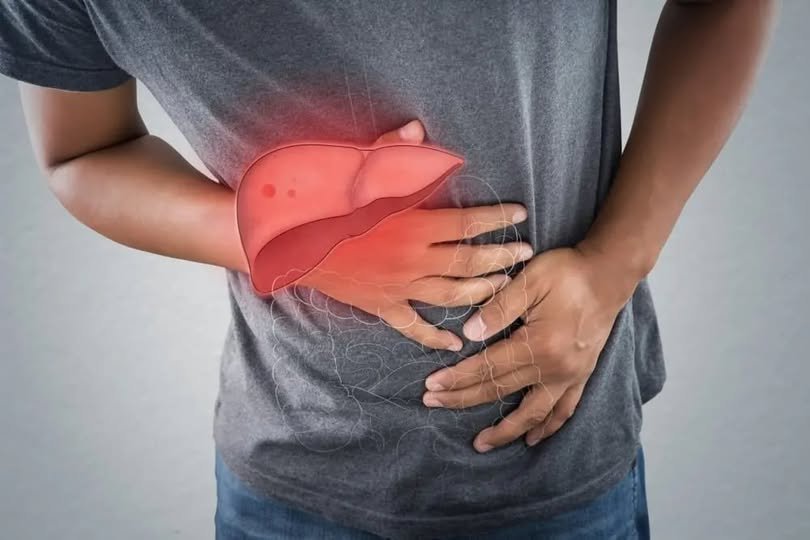
Fatty liver disease occurs when excess fat builds up inside the liver. In its early stages, it often causes no noticeable symptoms, which is why many people don’t realize they have it until it is discovered during routine blood tests or imaging studies.
There are two main types:
- Alcohol-related liver disease (ALD): Caused by excessive alcohol consumption.
- Non-alcoholic fatty liver disease (NAFLD): Fat accumulation in people who drink little or no alcohol. A newer term, metabolic dysfunction–associated steatotic liver disease (MASLD), is increasingly being used by healthcare organizations to describe this condition.
When detected early, lifestyle changes can often help reduce liver fat and improve overall health.
What Does the Liver Do?
The liver is one of the body’s most important organs. It helps:
- Filter waste products from the blood
- Process nutrients
- Produce bile for digestion
- Store vitamins and minerals
- Regulate blood sugar
- Produce proteins needed for blood clotting
- Break down medications and toxins
A healthy liver is essential for overall well-being.
Risk Factors for Fatty Liver Disease
Several factors can increase the likelihood of developing fatty liver disease.
1. Overweight and Obesity
Carrying excess body fat, especially around the abdomen, is one of the strongest risk factors.
2. Type 2 Diabetes
High blood sugar and insulin resistance increase the risk of fat accumulation in the liver.
3. High Cholesterol and Triglycerides
Elevated blood fats are commonly associated with fatty liver disease.
4. High Blood Pressure
High blood pressure often occurs alongside other metabolic risk factors.
5. Sedentary Lifestyle
Lack of regular physical activity contributes to weight gain and insulin resistance.
6. Unhealthy Diet
Frequent consumption of:
- Sugary drinks
- Highly processed foods
- Refined carbohydrates
- Excess saturated fats
may increase the risk of developing fatty liver disease.
7. Excessive Alcohol Intake
Heavy alcohol consumption can damage liver cells and lead to alcohol-related liver disease.
Common Symptoms
Many people experience no symptoms, especially in the early stages.
When symptoms occur, they may include:
- Fatigue
- General weakness
- Discomfort or fullness in the upper right abdomen
- Difficulty concentrating (in some cases)
As liver disease becomes more advanced, additional symptoms may develop, but these require prompt medical evaluation.
Possible Complications
Without appropriate management, fatty liver disease can progress to:
- Liver inflammation
- Liver scarring (fibrosis)
- Cirrhosis
- Liver failure (in severe cases)
- Increased risk of liver cancer
Not everyone with fatty liver disease develops these complications, but early management is important.
How Is Fatty Liver Disease Diagnosed?
A healthcare provider may recommend:
- Medical history and physical examination
- Blood tests (including liver enzyme tests)
- Ultrasound
- CT scan or MRI (in some cases)
- Specialized liver stiffness tests (such as elastography)
- Liver biopsy in selected situations
Diagnosis depends on the individual’s symptoms, medical history, and test results.
Lifestyle Changes That May Help
Maintain a Healthy Weight
Gradual weight loss, if recommended by your healthcare provider, may help reduce liver fat.
Rapid or extreme weight loss is not recommended unless supervised medically.
Eat a Balanced Diet
Focus on:
- Vegetables
- Fruits
- Whole grains
- Beans and legumes
- Lean proteins
- Healthy fats such as olive oil and nuts
Limit:
- Sugary beverages
- Highly processed snacks
- Excess saturated fats
- Refined carbohydrates
Exercise Regularly
Aim for regular physical activity, such as:
- Brisk walking
- Cycling
- Swimming
- Strength training
Both aerobic exercise and resistance training can support overall metabolic health.
Limit Alcohol
People with liver disease should discuss alcohol use with their healthcare provider, as reducing or avoiding alcohol may be recommended.
Manage Other Health Conditions
Keeping diabetes, blood pressure, and cholesterol under control is an important part of protecting liver health.
Organic Liver-Friendly Meal Idea
Baked Salmon with Vegetables
Ingredients
- 1 salmon fillet
- Broccoli florets
- Carrots
- Zucchini
- Olive oil
- Garlic
- Lemon juice
- Black pepper
- Fresh parsley
Instructions
- Preheat the oven to 375°F (190°C).
- Place the salmon and vegetables on a baking tray.
- Drizzle with olive oil and lemon juice.
- Season with garlic, black pepper, and parsley.
- Bake for 20–25 minutes until the salmon is fully cooked.
This meal provides lean protein, healthy fats, and plenty of vegetables to support overall health.
Foods That Support Overall Liver Health
Include more:
- Leafy greens
- Oats
- Berries
- Nuts
- Olive oil
- Beans
- Fatty fish
- Avocados
- Green tea (in moderation)
No single food can “cleanse” or “detox” the liver, but a balanced dietary pattern supports healthy liver function.
Common Myths
Myth: Fatty liver disease only affects people who drink alcohol.
Fact: Many people with fatty liver disease drink little or no alcohol. Metabolic factors such as obesity and diabetes are common causes.
Myth: Fatty liver disease always causes symptoms.
Fact: Many people have no symptoms until the condition is discovered through testing.
Myth: Detox drinks can cure fatty liver disease.
Fact: There is no evidence that detox drinks cure fatty liver disease. Healthy lifestyle changes and medical care remain the most effective approaches.
When to See a Doctor
Schedule a medical evaluation if you:
- Have persistent fatigue or unexplained upper abdominal discomfort.
- Have diabetes, obesity, or high cholesterol and are concerned about liver health.
- Have abnormal liver blood tests.
- Develop yellowing of the skin or eyes (jaundice), swelling of the abdomen, or confusion—these require prompt medical attention.
Final Thoughts
Fatty liver disease is a common condition that often develops silently, but early diagnosis and healthy lifestyle changes can make a significant difference. Maintaining a balanced diet, staying physically active, managing weight, limiting alcohol, and controlling conditions such as diabetes and high cholesterol can all help support liver health.
If you have risk factors or concerns about your liver, consult your healthcare provider. They can recommend appropriate testing, identify the underlying cause, and create a personalized plan to protect your liver and overall health.