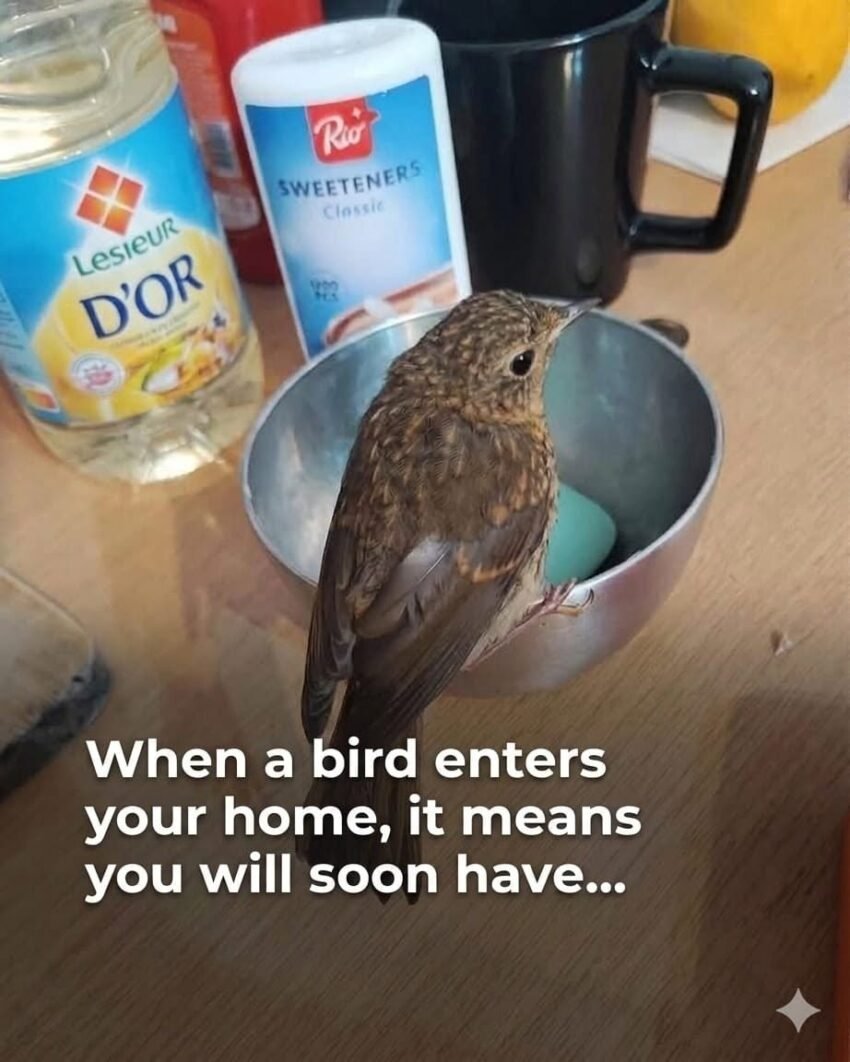
Many people become anxious when a bird suddenly flies into their home. Across different cultures, this unexpected event has inspired stories, superstitions, and warnings passed down through generations. Some believe it predicts good fortune, while others see it as a sign of bad luck or an important life change.
But is there any truth behind these beliefs?
The reality is that birds usually enter homes for simple, natural reasons. Understanding why it happens can help you stay calm and safely guide the bird back outdoors.
Why Do Birds Fly Into Houses?
Birds don’t intentionally visit homes to deliver mysterious messages. Instead, they may enter because:
- An open door or window creates a clear flight path.
- They are chasing insects.
- They become startled by predators.
- Bright indoor lights attract them.
- Reflections on glass confuse their sense of direction.
- Young birds may accidentally fly inside while learning to navigate.
Most indoor bird encounters are accidental rather than meaningful signs.
Common Superstitions Around the World
Different cultures have interpreted this event in various ways.
1. A Sign of Good Luck
Some traditions believe a bird entering the home brings:
- Prosperity
- New opportunities
- Positive news
- Unexpected visitors
- Financial blessings
Small songbirds are often associated with happiness and hope.
2. A Warning of Change
Many cultures believe the bird symbolizes transition rather than danger.
Possible changes include:
- Moving to a new home
- Starting a new job
- Marriage
- Birth of a child
- Major life decisions
Rather than predicting misfortune, the bird is viewed as representing change.
3. Messages From Loved Ones
Some people believe birds can symbolize remembrance of deceased family members.
While this belief offers comfort to many, there is no scientific evidence that birds carry messages from those who have passed away.
4. Signs of Bad Luck
Certain old traditions claim that birds entering the house predict illness or death.
These beliefs have been repeated for centuries, but modern science has found no evidence supporting such claims.
Scientific Explanation
Bird experts explain that birds often become confused by:
- Reflections in glass windows
- Indoor lighting
- Weather conditions
- Wind direction
- Open entryways
Urban environments create many situations where birds accidentally fly indoors.
What Should You Do If a Bird Enters Your Home?
Stay calm.
A frightened bird is more likely to injure itself if people panic.
Step 1: Reduce Noise
Turn off televisions and loud music.
Keep children and pets away.
Step 2: Open the Exit
Open:
- Windows
- Doors
- Patio entrances
Create one obvious escape route.
Step 3: Dim Indoor Lights
If it’s daytime:
- Turn off indoor lights.
- Close curtains on other windows.
- Leave the brightest opening toward the outside.
Birds naturally fly toward light.
Step 4: Don’t Chase It
Avoid:
- Swinging towels
- Throwing objects
- Shouting
- Running after it
Give the bird space to calm down.
Step 5: Use a Soft Towel if Necessary
If the bird cannot escape after several minutes:
- Wear gloves.
- Gently cover it with a soft towel.
- Carefully carry it outside.
- Release it in a safe area.
Never squeeze or hold the bird tightly.
Could It Be Injured?
Sometimes birds hit windows before entering.
Signs of injury include:
- Difficulty standing
- One wing hanging lower
- Heavy breathing
- Bleeding
- Inability to fly
If you suspect an injury, place the bird in a quiet, ventilated cardboard box and contact a licensed wildlife rehabilitator or local animal rescue organization.
How to Prevent Birds From Flying Indoors
Simple prevention tips include:
- Install window screens.
- Close doors promptly.
- Use bird-safe window decals.
- Reduce reflective glass surfaces.
- Keep indoor plants away from open windows.
- Remove food sources near entrances.
These measures can reduce accidental visits.
Birds Commonly Seen Indoors
Depending on your location, you may encounter:
- Sparrows
- Robins
- Finches
- Swallows
- Doves
- Pigeons
Most are harmless and simply looking for a way back outside.
Should You Be Worried?
In most situations, no.
A bird entering your home is usually the result of curiosity, confusion, or an accidental flight path—not a prediction of future events.
If the bird leaves safely and no one is harmed, there is generally no reason for concern.
Respect Wildlife
Wild birds play an important role in ecosystems by:
- Pollinating plants
- Controlling insects
- Dispersing seeds
- Supporting biodiversity
Treating them gently and helping them return outdoors is the best response.
Final Thoughts
A bird unexpectedly flying into your house can certainly be surprising, especially if you’ve heard traditional stories about what it might mean. While folklore offers many fascinating interpretations, there is no reliable scientific evidence that such an event predicts luck, misfortune, or future life events.
The most practical approach is to stay calm, provide the bird with a clear path outside, and ensure it leaves safely. In most cases, it’s simply an accidental encounter with nature—and a reminder of how closely our homes and the natural world can sometimes intersect.
SEO Keywords: bird enters house meaning, bird in house superstition, bird flew into my house, what does it mean when a bird enters your home, bird symbolism, bird inside house, bird myths, safe way to remove a bird from your house, bird entering home explanation, wildlife safety.