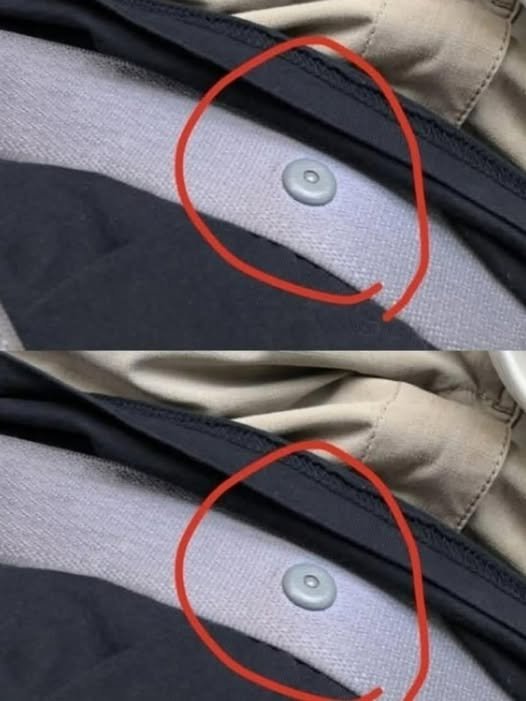
Modern vehicles are full of clever design features that often go unnoticed. One of the smallest—and most overlooked—is the tiny plastic button attached to your seat belt. Many drivers see it every day without giving it a second thought, while others assume it’s simply decorative.
In reality, this little button serves a practical purpose that makes using your seat belt easier and more convenient. Although it doesn’t affect the seat belt’s ability to protect you in a crash, it helps keep everything in the right place during everyday use.
Let’s explore what this button is, why it’s there, and what you can do if it falls off.
What Is the Small Button on a Seat Belt?
If you examine your seat belt closely, you’ll likely notice one or two small round plastic buttons attached to the webbing.
These are commonly called seat belt stop buttons or retainer buttons.
They’re simple components, but they play an important role in making the seat belt easier to use.
What Does the Seat Belt Stop Button Do?
The primary purpose of the stop button is to prevent the metal latch plate (the buckle tongue) from sliding all the way down the seat belt when it isn’t being worn.
Without the button:
- The latch plate may slide to the floor.
- You might have to reach awkwardly between the seat and the door.
- The metal buckle can bang against interior panels, causing unnecessary wear or noise.
- Buckling up may become less convenient.
With the stop button in place, the latch remains at a comfortable height, making it easier to grab whenever you enter the vehicle.
Does It Make the Seat Belt Safer?
This is one of the biggest misconceptions.
The stop button is not a safety device that strengthens the seat belt or improves crash protection.
Instead, it’s designed primarily for convenience and ease of use.
The seat belt’s safety comes from components such as:
- The seat belt webbing
- The latch plate
- The buckle
- The retractor mechanism
- The vehicle’s anchor points
As long as these parts are functioning properly, the absence of the stop button alone generally does not affect how the seat belt restrains an occupant during normal operation.
However, if you suspect any damage to the seat belt itself, it should be inspected by a qualified technician.
Why Do These Buttons Sometimes Fall Off?
Because they’re made from plastic, stop buttons can wear out over time.
Common reasons include:
- Years of daily use
- Heat from the sun
- Extreme temperature changes
- Repeated pulling on the belt
- Aging plastic becoming brittle
Eventually, the button may crack or detach.
Signs Your Stop Button Is Missing
You may notice:
- The latch plate sliding to the floor.
- Difficulty finding the buckle when entering the car.
- The buckle hitting the door or seat repeatedly.
- A rattling sound while driving.
Although these issues are mostly inconvenient, replacing the missing button can restore normal function.
Can You Replace It?
Yes. Replacement seat belt stop buttons are inexpensive and widely available at automotive parts stores and online retailers.
Many replacement kits use a simple snap-together design that can be installed without removing the entire seat belt.
Always follow the installation instructions provided with the replacement product, and make sure the button is intended for your vehicle or seat belt type.
If you notice frayed webbing, a damaged buckle, poor retraction, or any other signs of seat belt damage, have the restraint system inspected rather than relying on a stop-button replacement.
Organic DIY Tip: Keep It Simple
If you’re replacing a stop button yourself:
Supplies
- Replacement seat belt stop button
- Soft cloth
- Mild soap and water
Steps
- Clean the seat belt webbing with a damp cloth and mild soap.
- Allow the belt to dry completely.
- Position the new stop button where the original one was located.
- Snap the replacement pieces together according to the manufacturer’s instructions.
- Check that the latch plate now rests at a convenient height and that the belt retracts smoothly.
Avoid using glue, staples, screws, or homemade fasteners, as these are not designed for seat belt components and may interfere with proper operation.
Easy Maintenance Tips for Seat Belts
To help keep your seat belts working well:
- Inspect the webbing regularly for cuts, fraying, or excessive wear.
- Keep seat belts clean using mild soap and water.
- Allow belts to retract fully after use.
- Avoid twisting the belt before buckling.
- Replace damaged seat belts according to your vehicle manufacturer’s recommendations.
- Have seat belts inspected after a significant collision, even if no damage is obvious.
Common Myths
Myth: The button improves crash protection.
Fact: Its main purpose is to keep the latch plate from sliding too far down the belt for everyday convenience.
Myth: A missing button means the entire seat belt is unsafe.
Fact: A missing stop button alone doesn’t necessarily mean the restraint system has failed. However, any signs of damage to the seat belt should be evaluated by a qualified technician.
Myth: Any household fastener can replace it.
Fact: Use only replacement parts intended for seat belts, and avoid makeshift repairs.
Final Thoughts
The tiny plastic button on your seat belt may seem insignificant, but it serves a useful everyday purpose by keeping the latch plate within easy reach. While it isn’t responsible for the seat belt’s crash protection, replacing a missing stop button can make buckling up more convenient and help reduce unnecessary wear on your vehicle’s interior.
Taking a few minutes to inspect your seat belts, clean them regularly, and replace worn convenience parts when appropriate can help keep your vehicle comfortable and ready for every trip.
Disclaimer: This article is for informational purposes only and should not be considered automotive repair advice. If your seat belt shows signs of damage, does not latch properly, or fails to retract smoothly, have it inspected by a qualified automotive technician before driving.