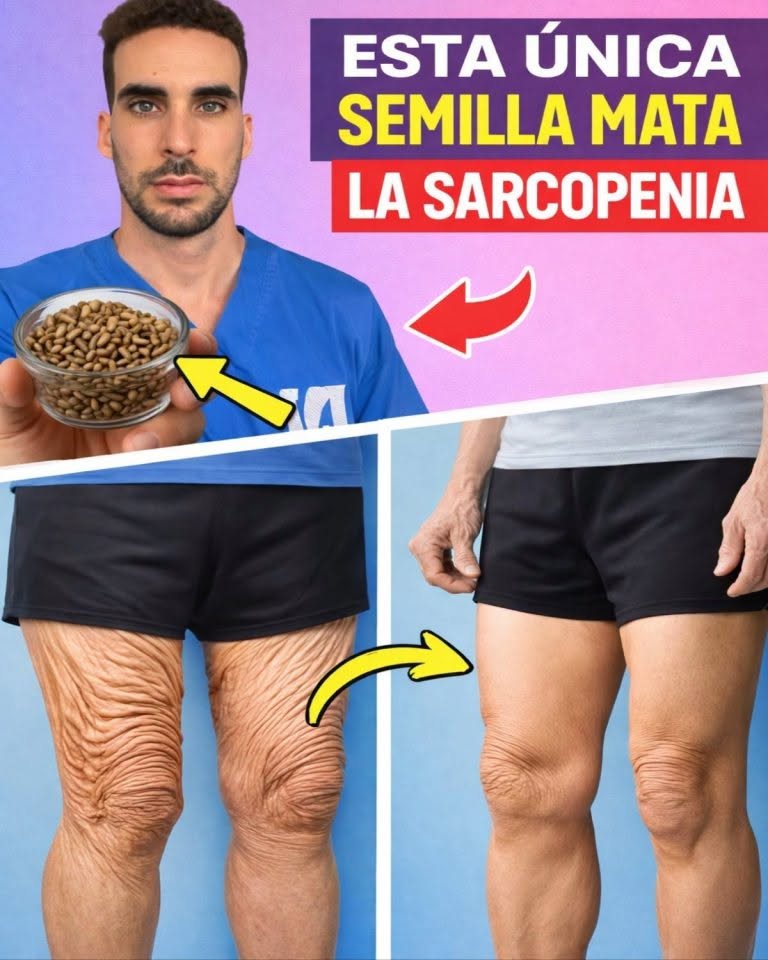
As we age, it’s normal to lose some muscle mass and strength. However, excessive muscle loss—known as sarcopenia—can make everyday activities like walking, climbing stairs, or carrying groceries more difficult. The good news is that the right nutrition, combined with regular exercise, can help slow muscle loss and support healthy aging.
Here are some of the best foods for maintaining strong muscles in older adults.
1. Lean Protein
Protein provides the building blocks needed to maintain and repair muscle tissue.
Good sources include:
- Chicken and turkey
- Fish (such as salmon, tuna, and sardines)
- Eggs
- Greek yogurt
- Cottage cheese
- Tofu and tempeh
- Beans and lentils
Aim to include a source of protein with every meal.
2. Eggs
Eggs are rich in high-quality protein and contain leucine, an amino acid that plays an important role in stimulating muscle protein synthesis.
3. Fatty Fish
Salmon, mackerel, and sardines provide:
- High-quality protein
- Omega-3 fatty acids, which may support muscle health and reduce inflammation
- Vitamin D, important for muscle function and bone health
4. Dairy Products
Milk, yogurt, and cheese provide protein along with calcium and vitamin D, which help support both muscles and bones.
5. Legumes
Beans, chickpeas, peas, and lentils are excellent plant-based protein sources and also provide fiber, iron, and magnesium.
6. Nuts and Seeds
Almonds, walnuts, pumpkin seeds, and chia seeds contain healthy fats, protein, magnesium, and other nutrients that contribute to overall muscle health.
7. Colorful Fruits and Vegetables
Berries, oranges, spinach, broccoli, carrots, and bell peppers provide antioxidants and vitamin C, which support overall health and help the body produce collagen.
8. Whole Grains
Oats, brown rice, quinoa, and whole-grain bread provide carbohydrates that fuel physical activity and resistance exercise.
Key Nutrients for Healthy Muscles
Older adults should ensure adequate intake of:
- Protein
- Vitamin D
- Calcium
- Magnesium
- Potassium
- Vitamin B12 (especially if intake or absorption is low)
A healthcare provider may recommend supplements if deficiencies are present.
Lifestyle Tips to Fight Sarcopenia
Nutrition works best when combined with:
- Strength or resistance training 2–3 times per week
- Regular walking or other physical activity
- Adequate sleep
- Staying hydrated
- Managing chronic health conditions
Resistance exercises are one of the most effective ways to preserve and build muscle, even later in life.
Sample Muscle-Friendly Meal
Breakfast
- Greek yogurt with berries and almonds
Lunch
- Grilled chicken with quinoa and steamed vegetables
Snack
- Apple with peanut butter
Dinner
- Baked salmon with sweet potato and spinach
When to See a Healthcare Provider
Talk with your healthcare provider if you notice:
- Rapid muscle loss
- Frequent falls
- Difficulty standing from a chair
- Weak grip strength
- Unexplained weight loss
These may be signs of sarcopenia or another medical condition that deserves evaluation.
Final Thoughts
There is no single “best food” that can prevent or reverse sarcopenia on its own. The strongest evidence supports a combination of adequate protein intake, nutrient-rich foods, and regular resistance exercise. Together, these habits can help older adults maintain muscle strength, improve mobility, and stay independent as they age.