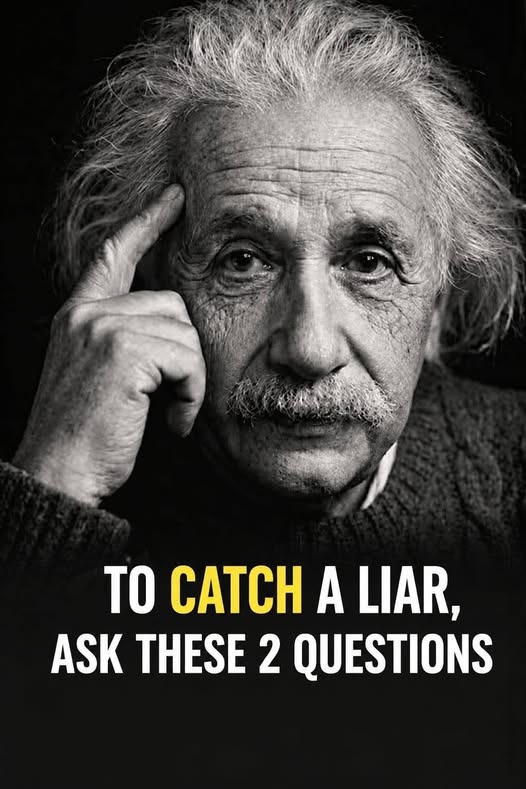
Research in psychology shows that there is no pair of questions that can reliably reveal every lie. However, certain questioning techniques may make it easier to spot inconsistencies in someone’s story.
Can Two Questions Really Expose a Liar?
The short answer is no.
People lie for many reasons, and skilled liars can appear confident and believable. Likewise, honest people may seem nervous or forget details, especially if they’re stressed or emotional.
Instead of relying on a “magic” question, investigators and psychologists focus on the consistency and detail of a person’s account over time.
Two Questions That May Reveal Inconsistencies
While they won’t guarantee someone is lying, these questions can encourage a more detailed explanation.
1. “Can you tell me exactly what happened, from beginning to end?”
An honest person usually recalls events in a logical sequence, though they may forget minor details.
Someone who is being deceptive may:
- Give a vague explanation.
- Skip important details.
- Avoid specifics.
- Change parts of the story later.
2. “Can you tell the same story again, but in reverse order?”
This technique is sometimes used in investigative interviewing because recalling genuine memories backward requires concentration but is still possible.
A fabricated story may become harder to maintain, leading to:
- Contradictions.
- Missing details.
- Long pauses.
- Corrections or changes.
However, this method is not foolproof, and even truthful people can struggle with reverse recall.
Signs That May Deserve Attention
Instead of focusing on one behavior, look for patterns such as:
- Stories that change over time.
- Avoiding direct answers.
- Contradictions between words and evidence.
- Overly rehearsed or overly detailed explanations.
- Sudden defensiveness when asked reasonable follow-up questions.
None of these behaviors alone prove someone is lying.
Common Myths About Detecting Lies
Many popular beliefs aren’t supported by research, including:
- Liars always avoid eye contact.
- Fidgeting means someone is lying.
- Looking left or right reveals deception.
- Nervousness equals dishonesty.
These behaviors can simply reflect anxiety, personality, or stress.
The Best Approach
If you suspect someone isn’t being truthful:
- Stay calm and avoid accusations.
- Ask open-ended questions.
- Listen carefully without interrupting.
- Compare details over time.
- Consider other evidence before reaching conclusions.
Trust is built—or broken—through patterns of behavior, not a single conversation.
Final Thoughts
The idea that two questions can instantly expose every liar makes for a catchy headline, but human behavior is far more complicated. While asking someone to explain their story in detail and then recount it differently may reveal inconsistencies, no question or body-language cue can reliably detect deception on its own.
The most accurate way to assess honesty is to consider the full context, look for consistent evidence, and avoid jumping to conclusions based on myths or viral advice.