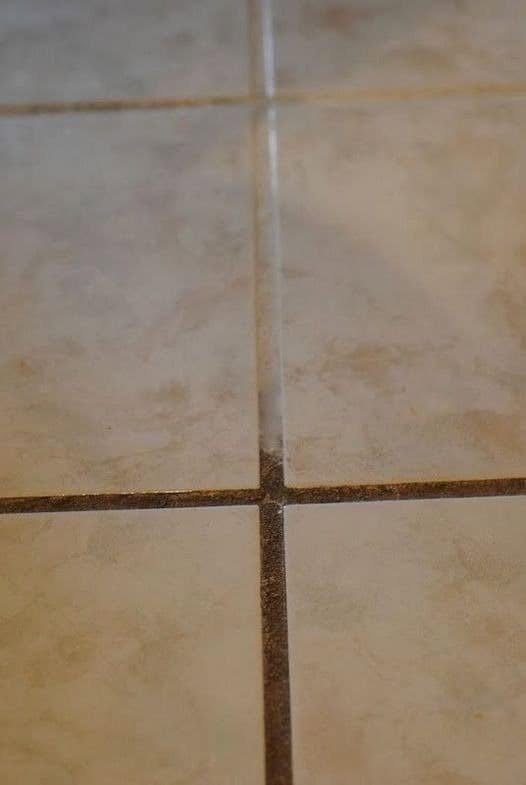
Dirty grout can make an otherwise clean bathroom or kitchen look dull and neglected. Over time, grout collects dirt, soap scum, grease, mildew, and mold, causing it to lose its bright appearance. While there are countless cleaning hacks online, not all of them deliver the results they promise.
To find out what actually works, I tested three of the most popular tile grout cleaning methods. Here’s how each one performed, along with tips for keeping grout cleaner for longer.
Why Does Tile Grout Get Dirty?
Grout is naturally porous, meaning it easily absorbs:
- Dirt and dust
- Soap residue
- Cooking grease
- Hard water minerals
- Mold and mildew
- Moisture
Bathrooms and kitchens are especially prone to grout discoloration because of frequent exposure to water and humidity.
Method 1: Baking Soda and Vinegar
What You’ll Need
- ½ cup baking soda
- White vinegar
- Old toothbrush or grout brush
- Spray bottle
- Warm water
- Microfiber cloth
How I Used It
- Mixed baking soda with a little water to create a thick paste.
- Spread the paste over the grout lines.
- Sprayed white vinegar over the paste.
- Waited about 10 minutes.
- Scrubbed with a toothbrush.
- Wiped clean with warm water.
Results
This method removed light dirt and soap residue surprisingly well. The bubbling reaction helped loosen grime, making scrubbing easier.
Pros
- Inexpensive
- Uses common household ingredients
- Safe for most ceramic tile
- Great for regular maintenance
Cons
- Required noticeable scrubbing
- Didn’t completely remove deep stains
- Less effective on mold
Rating: ★★★★☆ (4/5)
Method 2: Hydrogen Peroxide and Baking Soda
What You’ll Need
- Hydrogen peroxide (3%)
- Baking soda
- Dish soap (optional)
- Grout brush
- Sponge
How I Used It
- Mixed baking soda with hydrogen peroxide until it formed a thick paste.
- Added a drop of dish soap.
- Applied it directly onto stained grout.
- Let it sit for 15–20 minutes.
- Scrubbed thoroughly.
- Rinsed with warm water.
Results
This was the clear winner. It lifted stubborn stains, brightened old grout, and required much less scrubbing than the first method.
Hydrogen peroxide also helped reduce mildew stains.
Pros
- Excellent stain removal
- Brightened grout noticeably
- Less scrubbing required
- Affordable
Cons
- Needs a longer wait time
- May slightly lighten colored grout if used frequently, so test in a hidden area first
Rating: ★★★★★ (5/5)
Method 3: Commercial Grout Cleaner
What You’ll Need
- Store-bought grout cleaner
- Grout brush
- Gloves
- Sponge
How I Used It
Following the manufacturer’s instructions, I sprayed the cleaner onto the grout, allowed it to sit for several minutes, scrubbed gently, and rinsed thoroughly.
Results
The commercial cleaner worked well on grease and heavily soiled grout. However, it had a strong chemical smell and required good ventilation.
Pros
- Fast
- Excellent for heavy stains
- Minimal scrubbing
Cons
- More expensive
- Strong odor
- Some products contain harsh chemicals
- Gloves recommended
Rating: ★★★★☆ (4.5/5)
Comparison Table
| Method | Cleaning Power | Cost | Effort | Best For |
|---|---|---|---|---|
| Baking Soda + Vinegar | Good | Low | Medium | Routine cleaning |
| Hydrogen Peroxide + Baking Soda | Excellent | Low | Low | Deep stains and whitening |
| Commercial Cleaner | Excellent | Higher | Low | Heavy grime and grease |
My Overall Winner
After trying all three methods, hydrogen peroxide and baking soda delivered the best balance of effectiveness, affordability, and ease of use. It removed stubborn stains, brightened grout, and required the least amount of scrubbing.
For routine maintenance, however, the baking soda and vinegar method is still a great natural option.
Tips to Keep Grout Cleaner Longer
- Wipe down tiles after showers.
- Use an exhaust fan or open a window to reduce humidity.
- Clean spills promptly in kitchens.
- Sweep or vacuum floors regularly.
- Seal grout every 1–2 years to help resist stains.
- Clean grout monthly to prevent buildup.
Common Mistakes to Avoid
- Using metal brushes that can damage grout.
- Mixing bleach with vinegar or ammonia, which can create dangerous fumes.
- Letting mold sit for too long before cleaning.
- Scrubbing too aggressively, which may wear away grout over time.
- Skipping a patch test on colored grout before using stronger cleaners.
Frequently Asked Questions
Can I use bleach on grout?
Bleach can whiten grout and kill mold, but frequent use may weaken grout over time and isn’t suitable for all tile surfaces. Always follow product directions and ensure good ventilation.
How often should grout be cleaned?
Light cleaning every few weeks and a deeper clean every few months helps prevent stains from becoming permanent.
Is steam cleaning effective?
Yes. A steam cleaner can loosen dirt and sanitize grout without harsh chemicals, making it a good option for many sealed tile surfaces.
Final Thoughts
Clean grout can instantly refresh the look of your bathroom or kitchen without the expense of replacing tile. While all three methods improved the appearance of dirty grout, hydrogen peroxide and baking soda stood out as the most effective solution for stubborn stains. Regular maintenance, proper ventilation, and sealing grout periodically can help keep your tile looking bright and clean for years.
Disclaimer: Always test any cleaning solution on a small, inconspicuous area first. Follow the manufacturer’s care instructions for your tile and grout, and never mix household cleaners unless the product labels indicate it is safe to do so.