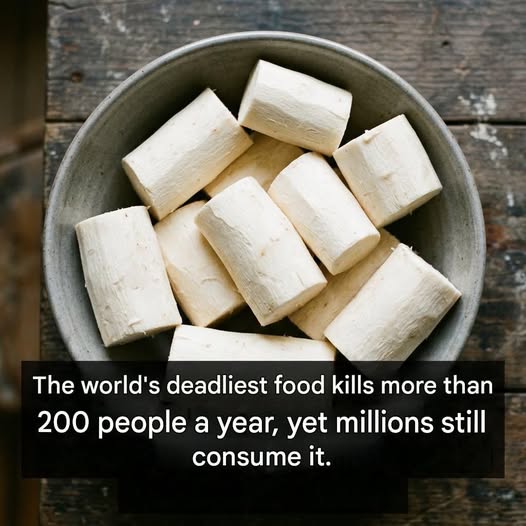
Cassava is one of the world’s most important food crops, feeding more than half a billion people every day. Known for its starchy roots and ability to thrive in poor soils and drought conditions, cassava is a dietary staple across Africa, Asia, and Latin America.
Yet this remarkable root has a surprising secret: when prepared improperly, cassava can release toxic compounds capable of causing serious illness—or even death. This fascinating contradiction makes cassava both a lifesaving food and a potentially dangerous one.
Here’s why cassava is so valuable, where the risks come from, and how people safely enjoy it around the world.
What Is Cassava?
Cassava (Manihot esculenta) is a woody shrub native to South America but now cultivated throughout tropical regions worldwide. Its large underground roots are rich in carbohydrates, making them an excellent source of energy.
Cassava is known by several names, including:
- Yuca (not to be confused with the ornamental yucca plant)
- Manioc
- Mandioca
- Tapioca (the starch extracted from cassava)
It can be boiled, fried, baked, mashed, or processed into flour, chips, noodles, and tapioca pearls.
Why Cassava Is So Important
Cassava has become a global staple because it offers several advantages:
- Grows in poor-quality soil
- Tolerates drought better than many crops
- Produces high yields
- Stores underground until needed
- Provides affordable calories
For millions of families in developing countries, cassava is an essential food that helps reduce hunger and improve food security.
The Hidden Danger: Natural Cyanide Compounds
Despite its benefits, cassava naturally contains compounds called cyanogenic glycosides, primarily linamarin and lotaustralin.
When cassava roots are cut, crushed, chewed, or damaged, these compounds can be converted into hydrogen cyanide, a highly toxic chemical.
The amount varies depending on:
- Cassava variety
- Growing conditions
- Drought stress
- Plant maturity
- Preparation methods
Some cassava varieties contain relatively low levels of these compounds, while others contain much higher concentrations.
Sweet vs. Bitter Cassava
There are two main types of cassava:
Sweet Cassava
- Lower levels of cyanogenic compounds
- Usually safe after thorough cooking
- Commonly sold in grocery stores
Bitter Cassava
- Much higher cyanide content
- Requires extensive processing before eating
- More common in some traditional farming communities
Even “sweet” cassava should never be eaten raw.
What Happens if Cassava Is Eaten Raw?
Consuming raw or improperly prepared cassava can lead to cyanide poisoning.
Symptoms may include:
- Nausea
- Vomiting
- Dizziness
- Stomach pain
- Headache
- Difficulty breathing
- Weakness
- Confusion
In severe cases, cyanide poisoning can cause seizures, loss of consciousness, respiratory failure, and may be fatal.
Children are particularly vulnerable because even smaller amounts can be harmful.
Long-Term Health Risks
In communities where cassava is eaten frequently without proper processing—especially during food shortages—long-term exposure to small amounts of cyanide has been associated with health problems such as:
- Thyroid disorders (particularly in people with iodine deficiency)
- Certain neurological disorders linked to chronic cyanide exposure
- Poor growth in children under conditions of inadequate nutrition
These risks are generally associated with diets heavily dependent on improperly processed cassava.
How Cassava Is Made Safe
Fortunately, traditional preparation methods are highly effective at reducing cassava’s natural toxins.
Common techniques include:
Peeling
Most cyanogenic compounds are concentrated near the peel, so removing the thick outer skin helps reduce toxin levels.
Soaking
Soaking peeled cassava in water for several hours or days allows enzymes and water to break down and remove many toxic compounds.
Fermentation
Traditional fermentation further reduces cyanide levels while improving flavor and shelf life.
Drying
Sun-drying or other drying methods help remove volatile hydrogen cyanide.
Thorough Cooking
Boiling, steaming, or roasting properly prepared cassava significantly lowers remaining cyanide. Raw cassava should never be eaten.
Is Tapioca Safe?
Yes. Tapioca products—including pearls, flour, and starch—are made from processed cassava that has undergone manufacturing steps to remove harmful compounds.
When purchased from reputable sources and prepared according to package directions, tapioca is considered safe to eat.
Nutritional Benefits of Cassava
When properly prepared, cassava provides:
- Complex carbohydrates for energy
- Vitamin C
- Potassium
- Small amounts of magnesium
- Resistant starch (especially after cooking and cooling), which may support gut health
However, cassava is relatively low in protein, fat, and several essential vitamins and minerals. For a balanced diet, it should be eaten alongside protein-rich foods, vegetables, fruits, and healthy fats.
Who Should Be Extra Careful?
Extra caution is warranted for:
- Young children
- Pregnant women
- Older adults
- People who prepare fresh cassava at home
- Communities relying heavily on cassava as a primary food source
Buying cassava from reputable suppliers and following safe preparation practices helps minimize risk.
Tips for Preparing Fresh Cassava Safely
If you’re cooking fresh cassava:
- Choose firm roots without mold or decay.
- Peel away the thick outer skin completely.
- Rinse thoroughly.
- Cook until tender; do not eat it raw.
- Avoid consuming bitter-tasting cassava unless you know the proper processing methods.
- Follow reliable recipes or local food safety guidance when preparing fresh cassava.
Final Thoughts
Cassava is a remarkable example of nature’s complexity. It nourishes millions of people around the world, supports food security in challenging climates, and serves as the foundation for many beloved dishes. At the same time, its natural cyanide-producing compounds mean it must be handled and prepared with care.
The good news is that traditional techniques such as peeling, soaking, fermenting, drying, and thorough cooking make cassava safe for consumption. With proper preparation, this humble root remains an important, nutritious, and versatile food enjoyed across the globe.
Disclaimer: This article is for informational purposes only and should not replace professional food safety or medical advice. Never eat raw cassava, and always prepare fresh cassava using recommended safety practices.