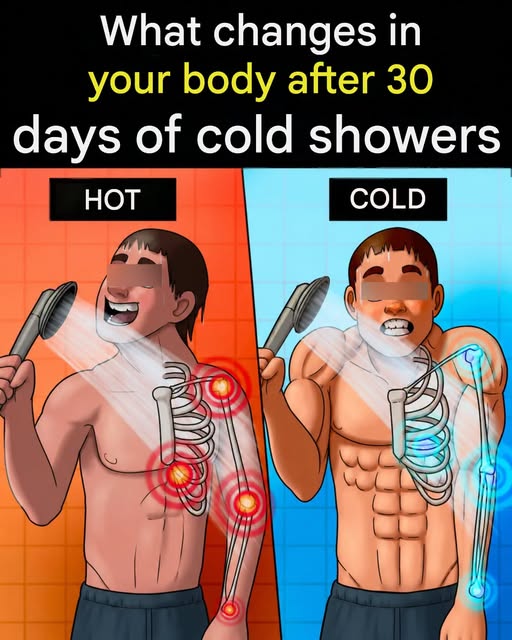
But can 30 days of cold showers really transform your health?
While cold showers aren’t a miracle cure, scientific research suggests they may improve alertness, circulation, mood, and recovery for some people. However, there are also risks and limitations you should know before making them part of your daily routine.
Let’s explore what happens to your body after taking cold showers for 30 days.
What Is a Cold Shower?
A cold shower generally means showering in water between 50°F and 68°F (10°C to 20°C). Even ending your normal shower with 30–90 seconds of cool water may provide some of the same benefits.
Unlike ice baths, cold showers are less intense and easier for most healthy people to incorporate into their daily routine.
Week 1: Your Body Reacts to the Cold
The first few days are usually the most challenging.
As cold water touches your skin, your body instantly activates its “fight-or-flight” response.
During this stage, you may notice:
- Faster breathing
- Increased heart rate
- Goosebumps
- Temporary rise in blood pressure
- Tingling skin
- Feeling energized afterward
This happens because your body releases adrenaline and norepinephrine, hormones that help prepare you for sudden stress.
Although uncomfortable at first, many people adapt surprisingly quickly.
Week 2: Increased Energy and Alertness
One of the biggest reasons people continue taking cold showers is the noticeable boost in energy.
Cold water stimulates your nervous system, making you feel:
- More awake
- Mentally refreshed
- Less sluggish in the morning
- More focused during the day
Unlike caffeine, this energy boost doesn’t come from a stimulant but from your body’s natural response to cold exposure.
Many people replace their morning coffee with a cold shower because they enjoy the refreshing effect.
Week 3: Improved Mood and Mental Resilience
By the third week, many users report improvements in mood and emotional resilience.
Possible reasons include:
- Increased endorphin release
- Higher norepinephrine levels
- A sense of accomplishment from completing a challenging habit
Cold showers may also help train your body to remain calmer during mild stress.
However, it’s important to remember that cold showers are not a treatment for depression or anxiety and should never replace professional mental health care.
Week 4: Faster Recovery After Exercise
Athletes have used cold water therapy for decades.
After several weeks, physically active people may notice:
- Reduced muscle soreness
- Less inflammation after workouts
- Quicker recovery
- Improved readiness for the next training session
Cold water causes blood vessels to narrow temporarily. After warming up again, blood flow increases, which may help reduce swelling and soreness.
May Improve Circulation
One common claim is that cold showers improve circulation.
Here’s how it works:
Cold temperatures cause blood vessels near your skin to constrict.
After you warm up, those vessels expand again.
This repeated process may help your circulatory system respond more efficiently over time.
Good circulation supports:
- Healthy skin
- Oxygen delivery
- Nutrient transport
- Overall cardiovascular function
Can Cold Showers Help Your Immune System?
Some studies suggest people who regularly expose themselves to cold water report fewer sick days from work.
Researchers believe cold exposure may stimulate certain immune responses.
However:
- Evidence remains limited.
- Scientists cannot say cold showers directly prevent infections.
- Healthy sleep, balanced nutrition, exercise, hand hygiene, and recommended vaccinations remain far more important for immune health.
Benefits for Skin
Hot water strips away natural oils.
Cold water is gentler on the skin and may help:
- Reduce dryness
- Calm temporary redness
- Maintain the skin’s natural moisture barrier
- Leave skin feeling refreshed
Cold water does not permanently tighten pores or cure acne, despite popular myths.
Benefits for Hair
Many people notice healthier-looking hair after switching from very hot water.
Possible benefits include:
- Reduced dryness
- Less frizz
- Shinier appearance
- Better moisture retention
Cold water helps the hair cuticle lie flatter, making hair appear smoother and more reflective.
Can Cold Showers Burn Fat?
Cold exposure slightly increases calorie burning because your body works harder to maintain its core temperature.
Some research suggests prolonged cold exposure can activate brown fat, a special type of fat tissue that generates heat.
However:
- The calorie burn from a typical cold shower is modest.
- Cold showers alone won’t cause significant weight loss.
- A nutritious diet and regular physical activity remain the most effective strategies for managing body weight.
Better Self-Discipline
Many people find that completing a cold shower each morning builds mental toughness.
Over time, this daily challenge can help develop:
- Consistency
- Self-control
- Confidence
- Stress tolerance
While these effects are subjective, many people enjoy the sense of achievement that comes with maintaining the habit.
Possible Side Effects
Cold showers aren’t appropriate for everyone.
Potential risks include:
- Temporary increase in blood pressure
- Cold shock response
- Dizziness
- Difficulty breathing initially
- Increased strain on the heart in susceptible individuals
Stop immediately if you feel faint, experience chest pain, or have trouble breathing.
Who Should Avoid Cold Showers?
Talk with your healthcare provider before trying cold showers if you have:
- Heart disease
- Poor circulation
- Uncontrolled high blood pressure
- Raynaud’s phenomenon
- Certain nerve disorders
Older adults and people recovering from serious illness should also use caution.
How to Start Safely
If you’re new to cold showers:
- Begin with your normal warm shower.
- Switch to cool water for 20–30 seconds at the end.
- Increase the time gradually over several weeks.
- Focus on slow, controlled breathing.
- Dry off and warm up afterward.
Consistency is more important than making the water extremely cold.
Healthy Habits to Pair with Cold Showers
Cold showers work best as part of an overall healthy lifestyle. Pair them with:
- A balanced diet rich in fruits, vegetables, whole grains, and lean protein
- Regular physical activity
- Adequate hydration
- 7–9 hours of quality sleep each night
- Stress management techniques such as meditation or deep breathing
- Avoiding smoking and limiting alcohol consumption
Frequently Asked Questions
Do cold showers improve sleep?
Some people find a cool shower before bed relaxing, but very cold water immediately before sleep may make others feel more alert. Pay attention to how your body responds.
How long should a cold shower last?
For beginners, 30–90 seconds of cool water at the end of a regular shower is enough. More experienced users may stay under cold water for 2–5 minutes, but longer isn’t necessarily better.
Can I take a cold shower every day?
Most healthy adults can safely take daily cold showers if they gradually adapt and feel well during the process.
Are cold showers better than hot showers?
Neither is universally better. Hot showers can relax muscles and promote comfort, while cold showers may improve alertness and reduce post-exercise soreness. Many people benefit from using both depending on their needs.
Final Thoughts
After 30 days of cold showers, many people notice increased energy, better mood, greater tolerance to cold, and reduced muscle soreness after exercise. While research supports some of these benefits, cold showers are not a cure-all for illness or a shortcut to weight loss.
The healthiest approach is to use cold showers as one small part of a balanced lifestyle that includes nutritious eating, regular movement, quality sleep, and preventive healthcare. If you have underlying heart or circulation conditions, consult your healthcare provider before making cold showers a daily habit.