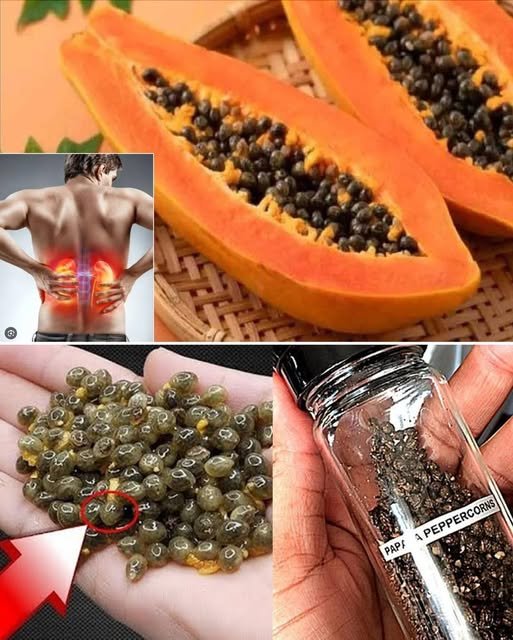
Papaya is often celebrated as a tropical superfruit packed with vitamins, antioxidants, and digestive enzymes. While most people enjoy its sweet orange flesh, the small black seeds are usually discarded without a second thought. Surprisingly, papaya seeds contain a variety of nutrients and plant compounds that have attracted scientific interest for their potential health benefits.
Although papaya seeds are not a miracle food, they can be a nutritious addition to a balanced diet when consumed in moderation. Here’s what current research says about their nutritional value, possible health benefits, and the safest ways to enjoy them.
What Are Papaya Seeds?
Papaya seeds are the small, round, black seeds found in the center of ripe papaya fruit. They have a crunchy texture and a slightly bitter, peppery flavor that makes them suitable for use as a seasoning or salad topping.
These seeds are rich in fiber, healthy fats, and beneficial plant compounds, making them more than just a byproduct of the fruit.
Nutritional Value of Papaya Seeds
Papaya seeds contain several important nutrients, including:
- Dietary fiber
- Healthy monounsaturated fats
- Protein
- Magnesium
- Calcium
- Phosphorus
- Potassium
- Small amounts of iron and zinc
They also provide antioxidants and naturally occurring plant compounds such as polyphenols and flavonoids that help protect cells from oxidative stress.
1. Supports Healthy Digestion
Papaya seeds contain dietary fiber, which supports regular bowel movements and promotes a healthy digestive system.
Papaya fruit also contains the enzyme papain, which helps break down proteins during digestion. While the flesh is the primary source of papain, consuming papaya as a whole may support digestive comfort.
Fiber may also help:
- Promote regularity
- Support beneficial gut bacteria
- Improve feelings of fullness
2. Rich in Antioxidants
Free radicals are unstable molecules that can damage cells over time. Diets rich in antioxidants may help reduce oxidative stress, which is associated with aging and many chronic diseases.
Papaya seeds contain antioxidants such as:
- Polyphenols
- Flavonoids
- Vitamin-related antioxidant compounds
These substances help protect cells from everyday oxidative damage.
3. May Support Heart Health
Papaya seeds contain healthy fats and antioxidants that may contribute to overall cardiovascular health as part of a heart-healthy diet.
A balanced eating pattern that includes fruits, vegetables, whole grains, legumes, nuts, and seeds is associated with a lower risk of heart disease.
However, papaya seeds alone have not been proven to prevent or treat cardiovascular disease.
4. Provides Dietary Fiber
Fiber is one of the most important nutrients for overall health.
Adequate fiber intake may help:
- Improve digestive health
- Support healthy cholesterol levels
- Promote fullness after meals
- Help maintain healthy blood sugar levels
Papaya seeds can contribute to daily fiber intake when eaten in small amounts.
5. May Support Liver Health
Some laboratory and animal studies have suggested that compounds in papaya seeds may help protect liver cells from oxidative stress.
However, there is currently insufficient human evidence to recommend papaya seeds as a treatment or detox for liver disease.
The best ways to support liver health remain:
- Maintaining a healthy weight
- Limiting alcohol intake
- Eating a balanced diet
- Staying physically active
- Following medical advice for liver conditions
6. May Have Natural Antimicrobial Properties
Research conducted in laboratories has found that certain compounds in papaya seeds may inhibit the growth of some bacteria, fungi, and parasites.
These findings are promising, but laboratory results do not necessarily translate into proven benefits in humans.
Papaya seeds should not replace prescribed medications for infections or parasitic diseases.
7. Supports Weight Management
Because papaya seeds contain fiber, they may help increase feelings of fullness when included as part of a balanced meal.
While no food causes weight loss on its own, replacing highly processed snacks with nutrient-rich foods can support healthy weight management.
How to Eat Papaya Seeds
Papaya seeds have a bold, peppery flavor that works well in many recipes.
You can:
- Eat a small amount fresh with ripe papaya.
- Sprinkle crushed seeds over salads.
- Blend them into smoothies.
- Add them to homemade salad dressings.
- Dry and grind them as a pepper substitute.
- Mix them into yogurt or fruit bowls.
Because of their strong taste, many people start with just a few seeds.
How Much Should You Eat?
There is no official recommended daily serving for papaya seeds.
Most experts suggest consuming them occasionally and in small amounts, as excessive intake has not been well studied in humans.
Moderation is the safest approach.
Are There Any Risks?
Although papaya seeds are generally considered safe in small culinary amounts, they may not be suitable for everyone.
Possible concerns include:
- Digestive discomfort if consumed in large quantities
- Allergic reactions in sensitive individuals (rare)
- Potential reproductive effects observed in some animal studies
Because research in humans is limited, pregnant women, people trying to conceive, and those who are breastfeeding should consult a healthcare professional before regularly consuming papaya seeds.
If you have an existing medical condition or take prescription medications, ask your healthcare provider before making them a regular part of your diet.
Frequently Asked Questions
Can you eat papaya seeds raw?
Yes. Papaya seeds can be eaten raw, though many people prefer crushing or grinding them because of their peppery flavor.
Do papaya seeds detox the body?
There is no scientific evidence that papaya seeds “detox” the body. Your liver and kidneys naturally remove waste products from your bloodstream.
Can papaya seeds kill parasites?
Some laboratory and limited human studies have explored this possibility, but current evidence is not strong enough to recommend papaya seeds as a treatment for parasitic infections. Medical diagnosis and appropriate medications remain the standard of care.
Are papaya seeds good for diabetes?
Papaya seeds contain fiber, which supports overall health, but they have not been proven to treat or cure diabetes. People with diabetes should follow their healthcare provider’s dietary recommendations.
Final Thoughts
Papaya seeds are an often-overlooked part of the fruit that offer fiber, healthy fats, antioxidants, and beneficial plant compounds. Including small amounts in a varied, balanced diet may support digestive health and contribute valuable nutrients.
However, it’s important to keep expectations realistic. Papaya seeds are not a cure for liver disease, infections, parasites, diabetes, or weight loss. Enjoy them as part of an overall healthy eating pattern rather than relying on them as a natural remedy for serious health conditions.