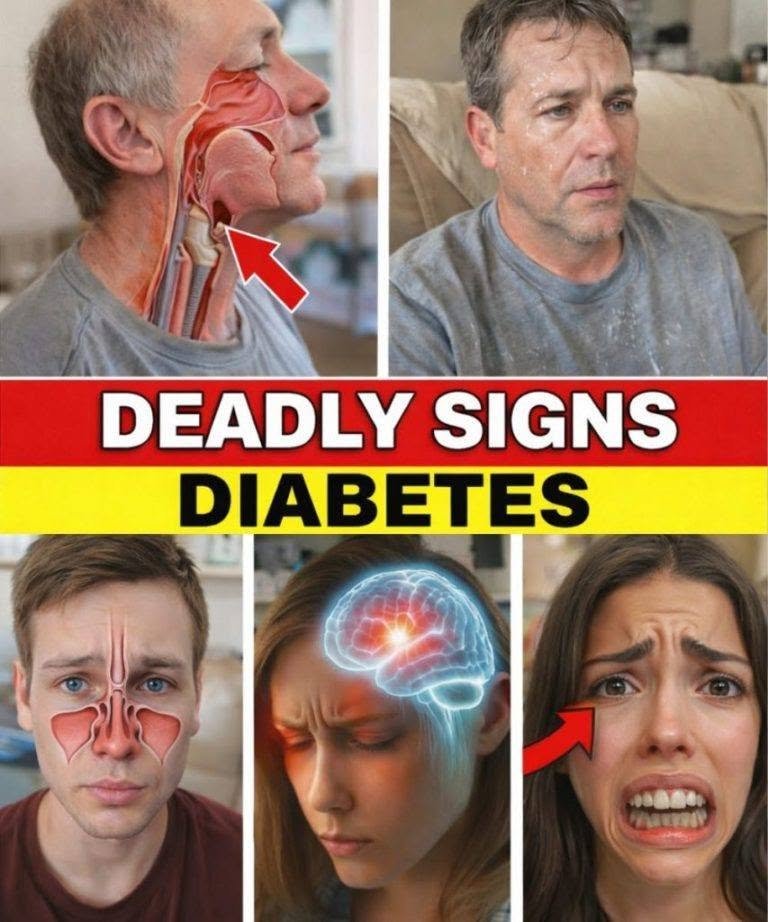
Diabetic ketoacidosis (DKA) is a medical emergency. It occurs when the body doesn’t have enough insulin, causing it to break down fat for energy. This produces ketones, which build up in the blood and make it dangerously acidic. DKA is most common in people with type 1 diabetes, but it can also occur in people with type 2 diabetes, especially during severe illness or when taking certain medications (such as SGLT2 inhibitors).
A headline like “8 Deadly Warning Signs Your Body Is Screaming for Help” is dramatic, but the condition itself is genuinely serious. Common warning signs include:
- Excessive thirst and a very dry mouth.
- Frequent urination.
- High blood sugar that remains elevated despite treatment.
- High ketones in the urine or blood (if you test for them).
- Nausea, vomiting, or abdominal pain.
- Deep, rapid breathing (sometimes called Kussmaul respirations).
- Fruity- or acetone-smelling breath.
- Confusion, drowsiness, or difficulty staying awake, which can indicate severe DKA.
Other symptoms can include weakness, dehydration, and a rapid heartbeat.
When to seek emergency care
Go to the emergency department or call your local emergency services immediately if you have diabetes and:
- Persistent vomiting or you can’t keep fluids down.
- Moderate or high ketones in your urine or blood.
- High blood sugar that isn’t improving with your treatment plan.
- Difficulty breathing.
- Confusion, extreme drowsiness, or loss of consciousness.
Common triggers
DKA is often brought on by:
- Missing insulin doses.
- Infections (such as the flu or pneumonia).
- Heart attack, stroke, or other major illnesses.
- Problems with an insulin pump.
- In some people with type 2 diabetes, certain medications called SGLT2 inhibitors, which can occasionally cause DKA even when blood sugar isn’t extremely high.
Prevention
If you have diabetes:
- Take insulin and other diabetes medications exactly as prescribed.
- Check your blood glucose as recommended.
- During illness, follow your healthcare team’s “sick day” plan.
- Test for ketones if your blood glucose is persistently high, or sooner if you’re sick, vomiting, or your clinician has advised you to do so.
- Stay hydrated and seek medical advice early if you’re unable to eat, drink, or keep medications down.
Early recognition and prompt treatment can prevent DKA from becoming life-threatening.