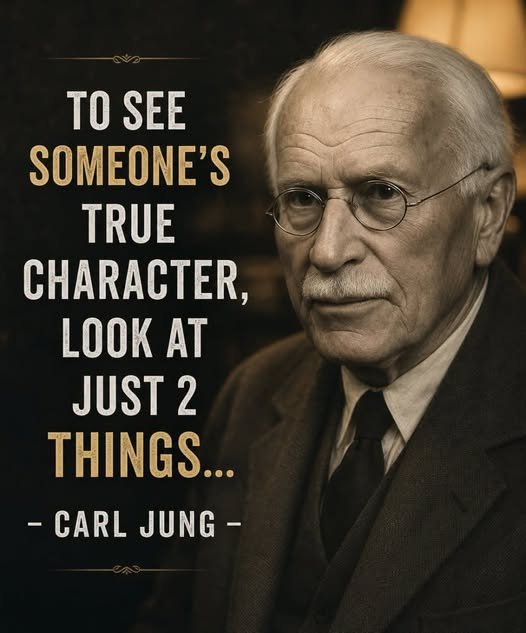
People often reveal who they truly are not through what they say about themselves, but through how they behave in situations where their character is tested. While many things can provide clues about personality, two behaviors are especially revealing:
- How they treat people who cannot benefit them
- How they behave when things do not go their way
These two situations remove the need to impress others and often show a person’s deeper values.
1. How They Treat People Who Cannot Do Anything for Them
A person’s true character is often visible in how they treat people who have no power, influence, or ability to help them.
For example:
- A customer being rude to a waiter but polite to a manager.
- Someone being friendly to wealthy or important people but ignoring others.
- A person showing respect only when they want a favor.
These differences can reveal whether their kindness is genuine or based on personal benefit.
Signs of Genuine Character
A person with genuine kindness usually:
Shows basic respect to everyone
They do not measure someone’s worth by:
- Job title
- Income
- Social status
- Education
- Popularity
They understand that every person deserves dignity.
Is polite even when there is no reward
They may:
- Thank people who help them.
- Treat strangers with courtesy.
- Offer help without expecting recognition.
Does not change personality depending on the audience
Their behavior remains fairly consistent whether they are:
- With close friends
- Around strangers
- Speaking to someone powerful
- Speaking to someone who cannot help them
Consistency is often a sign of authenticity.
What This Behavior Can Reveal
How someone treats those who cannot benefit them may show:
Empathy
Can they recognize other people’s feelings and needs?
Humility
Do they believe they are above others?
Respect
Do they value people simply because they are people?
Sense of responsibility
Do they behave well even when no one is watching?
2. How They Behave When Things Do Not Go Their Way
Many people appear calm and generous when life is easy. The real test often comes during frustration, disappointment, or conflict.
Examples:
- They lose an argument.
- Someone disagrees with them.
- Plans change unexpectedly.
- They make a mistake.
- They are criticized.
Stress does not always create behavior—it often reveals habits that were already there.
Signs of Emotional Maturity
A person with emotional maturity may:
Accept responsibility
They can say:
- “I was wrong.”
- “I could have handled that better.”
- “I understand why you felt hurt.”
They do not need to make someone else the villain every time.
Handle disagreement respectfully
They can disagree without:
- Insults
- Threats
- Personal attacks
- Silent punishment
They understand that disagreement does not automatically mean disrespect.
Control their reactions
Being upset is normal. The important part is what they do with that emotion.
A mature person may:
- Take time to calm down.
- Explain their feelings.
- Look for solutions.
Learn from mistakes
Everyone makes mistakes. Character is often shown by what happens afterward.
Do they:
- Reflect?
- Apologize?
- Try to improve?
Or do they:
- Repeat the same harmful behavior?
- Refuse accountability?
- Blame others?
Warning Signs to Notice
These behaviors may suggest emotional problems or unhealthy patterns:
They are kind only when they need something
Their kindness disappears when there is no advantage.
They treat people differently based on status
They show respect upward but disrespect downward.
They cannot handle criticism
Every suggestion becomes an attack.
They always need to be right
They turn every disagreement into a competition.
They blame others for everything
Nothing is ever their responsibility.
They become cruel when frustrated
Anger reveals how they manage power and emotions.
Why These Two Behaviors Are So Revealing
Many people can control their image when they want to impress others. They may appear:
- Generous
- Charming
- Patient
- Responsible
But two situations are harder to fake:
When there is no reward
A person who is kind without gaining anything is showing their values.
When there is pressure
A person who remains respectful during frustration is showing emotional control.
Important Reminder
No single moment completely defines a person. Everyone has bad days, gets frustrated, or makes mistakes. What matters most is the pattern over time:
- Do they usually show respect?
- Do they repair harm after mistakes?
- Do their actions match their words?
- Do they treat people fairly even when there is nothing to gain?
A person’s real nature is best understood by observing consistent behavior across different situations, especially when they have nothing to gain and when life becomes difficult.