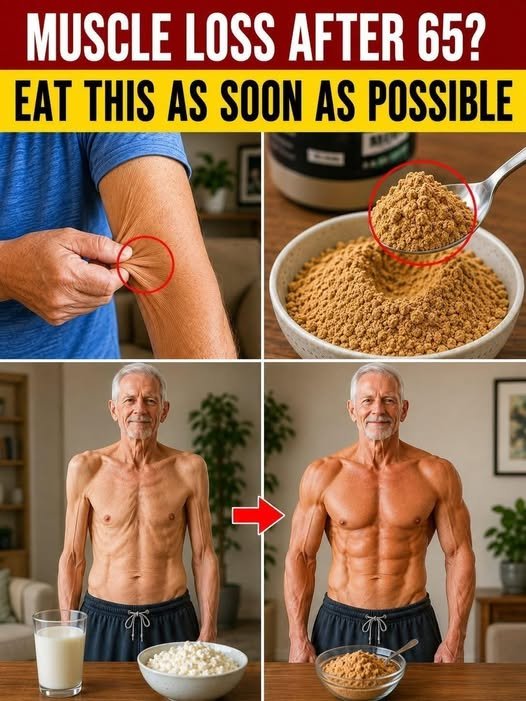
As we age, maintaining muscle mass becomes increasingly important for strength, mobility, balance, and independence. After age 50, the body naturally loses muscle at a faster rate—a process known as age-related muscle loss. While regular exercise is essential, diet also plays a major role.
One of the most important nutrients for preserving muscle is high-quality protein, especially foods that contain all the essential amino acids needed for muscle repair and growth.
Organic Protein Sources That Support Healthy Muscles
- Organic Eggs – Rich in complete protein and leucine, an amino acid that helps stimulate muscle protein synthesis.
- Organic Greek Yogurt – High in protein and calcium, supporting both muscle and bone health.
- Organic Chicken or Turkey – Lean sources of complete protein that help maintain muscle mass.
- Wild-Caught Organic-Friendly Fish (where available) – Salmon, sardines, and trout provide protein plus omega-3 fatty acids that may support muscle function.
- Organic Cottage Cheese – Contains slow-digesting casein protein, making it a good option between meals or before bed.
- Organic Lentils and Beans – Excellent plant-based protein sources that also provide fiber, iron, and other nutrients.
- Organic Tofu and Tempeh – High-quality soy proteins that can support muscle maintenance in vegetarian and vegan diets.
- Organic Nuts and Seeds – Almonds, pumpkin seeds, chia seeds, and hemp seeds add protein, healthy fats, and minerals like magnesium.
Why Protein Matters for Seniors
As we get older, our muscles become less responsive to small amounts of protein, meaning older adults often need a higher protein intake than younger adults to maintain muscle. Eating protein at each meal, combined with resistance exercises such as strength training, can help slow muscle loss.
Additional Nutrients That Support Muscle Health
- Vitamin D
- Calcium
- Magnesium
- Potassium
- Omega-3 fatty acids
- Vitamin B12
Healthy Habits for Strong Muscles
- Include a protein-rich food with every meal.
- Stay physically active with resistance and balance exercises.
- Eat enough calories to meet your body’s needs.
- Stay hydrated throughout the day.
- Get adequate sleep to support muscle recovery.
Key takeaway: There isn’t a single “magic food” that prevents muscle loss. The strongest evidence supports consuming enough high-quality protein from foods like eggs, dairy, fish, poultry, soy, or legumes, along with regular strength training and an overall nutritious diet. These habits work together to help preserve muscle, improve mobility, and support healthy aging.