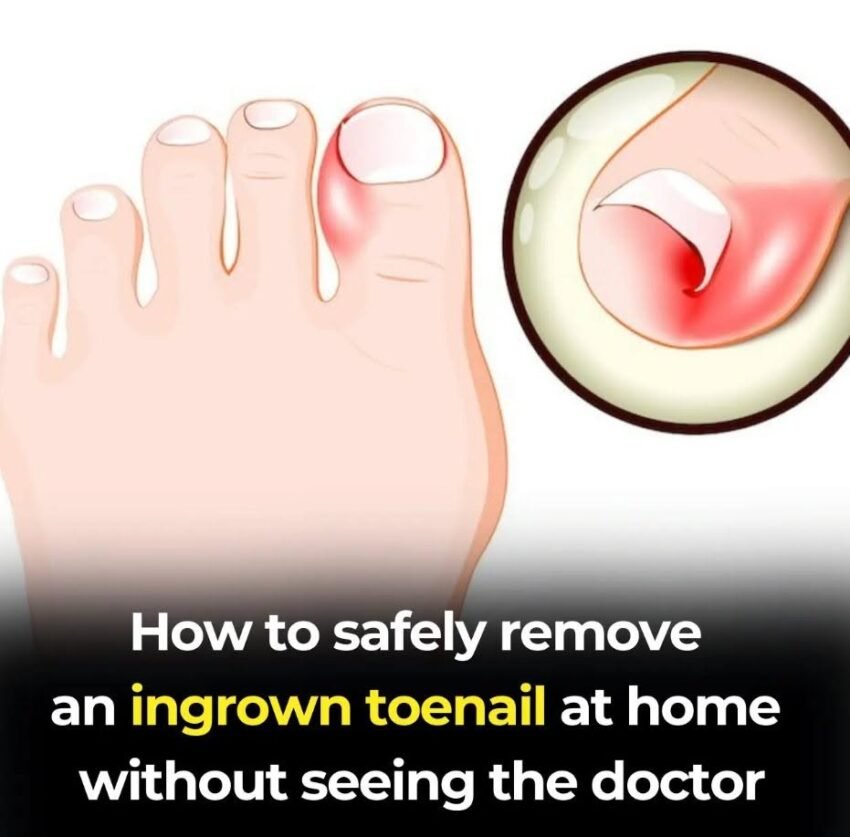
Learn safe, effective ways to relieve the pain of an ingrown toenail at home. Discover what you should and shouldn’t do, signs of infection, and when professional treatment is necessary.
How to Relieve a Painful Ingrown Toenail Safely at Home
An ingrown toenail can make every step uncomfortable. It happens when the edge of the nail grows into the surrounding skin, causing pain, redness, swelling, and sometimes infection.
If your symptoms are mild, there are several safe self-care measures that may help ease discomfort and encourage healing. However, trying to remove an ingrown toenail yourself can make the problem worse, increase your risk of infection, and potentially lead to long-term nail damage.
Here’s what you should know about managing an ingrown toenail safely at home—and when it’s time to seek medical care.
What Causes an Ingrown Toenail?
Several factors can contribute to an ingrown toenail, including:
- Cutting toenails too short or rounding the corners
- Wearing tight or narrow shoes
- Repeated pressure from sports or walking
- Injury to the toe
- Naturally curved or thick toenails
- Certain medical conditions that affect the feet
The big toe is affected most often.
Common Symptoms
An ingrown toenail may cause:
- Pain along one or both sides of the nail
- Redness
- Swelling
- Tenderness when touched
- Warmth around the toe
- Drainage or pus if an infection develops
If symptoms are worsening instead of improving, it’s important to have the toe evaluated.
Safe Ways to Relieve an Ingrown Toenail at Home
1. Soak Your Foot
Soaking the affected foot in warm water for 15–20 minutes, three to four times daily can soften the skin and reduce discomfort.
Some people add Epsom salt, although plain warm water is also effective.
After soaking, dry the foot thoroughly.
2. Keep the Toe Clean
Wash the area gently with mild soap and water.
Avoid harsh disinfectants unless recommended by a healthcare professional, as they may irritate the skin.
3. Wear Comfortable Footwear
Reduce pressure on the toe by wearing:
- Open-toe sandals when appropriate
- Wide toe-box shoes
- Clean, breathable socks
Avoid tight shoes until the toe improves.
4. Protect the Area
If the toe rubs against your shoe, a clean bandage can help reduce friction and protect irritated skin.
Change the dressing daily or whenever it becomes wet or dirty.
5. Manage Pain if Needed
If it’s safe for you to take them, over-the-counter pain relievers such as acetaminophen or ibuprofen may help relieve pain and reduce inflammation. Follow the label directions and consult a healthcare professional if you have questions about whether these medications are appropriate for you.
What You Should NOT Do
Avoid these common mistakes:
- Do not dig under the nail with scissors, clippers, or sharp objects.
- Do not cut away part of the nail yourself.
- Do not try to remove the ingrown portion at home.
- Do not ignore increasing redness, swelling, or drainage.
Attempting to remove the nail yourself can create a deeper wound, introduce bacteria, and make treatment more difficult.
When You Should See a Doctor
Seek medical care promptly if:
- Pain becomes severe.
- Redness or swelling is spreading.
- You notice pus or foul-smelling drainage.
- You develop a fever.
- The toe doesn’t improve after several days of home care.
- The ingrown toenail keeps coming back.
You should also seek medical attention early if you have:
- Diabetes
- Poor circulation
- Peripheral artery disease
- Nerve damage in your feet
- A weakened immune system
These conditions increase the risk of complications from even minor foot injuries.
How Doctors Treat Ingrown Toenails
If home care isn’t enough, a healthcare provider may:
- Lift the edge of the nail to reduce pressure.
- Remove only the ingrown portion of the nail using local anesthesia.
- Treat any infection if present.
- Recommend a procedure to prevent recurring ingrown toenails in severe or repeated cases.
These treatments are typically quick and are performed with measures to keep you comfortable.
How to Prevent Future Ingrown Toenails
To reduce your risk:
- Trim toenails straight across rather than rounding the corners.
- Avoid cutting nails too short.
- Wear properly fitting shoes with enough room for your toes.
- Keep your feet clean and dry.
- Protect your feet from injury during sports or work.
Simple foot care habits can go a long way toward preventing future problems.
Final Thoughts
A mild ingrown toenail can often improve with warm soaks, good foot hygiene, protective footwear, and avoiding pressure on the affected toe. However, it’s not safe to try to remove an ingrown toenail yourself, as doing so can lead to infection, increased pain, or permanent nail damage.
If you develop signs of infection, have severe pain, or have underlying conditions such as diabetes or poor circulation, don’t delay seeking medical care. Early treatment is often simple and can prevent more serious complications.