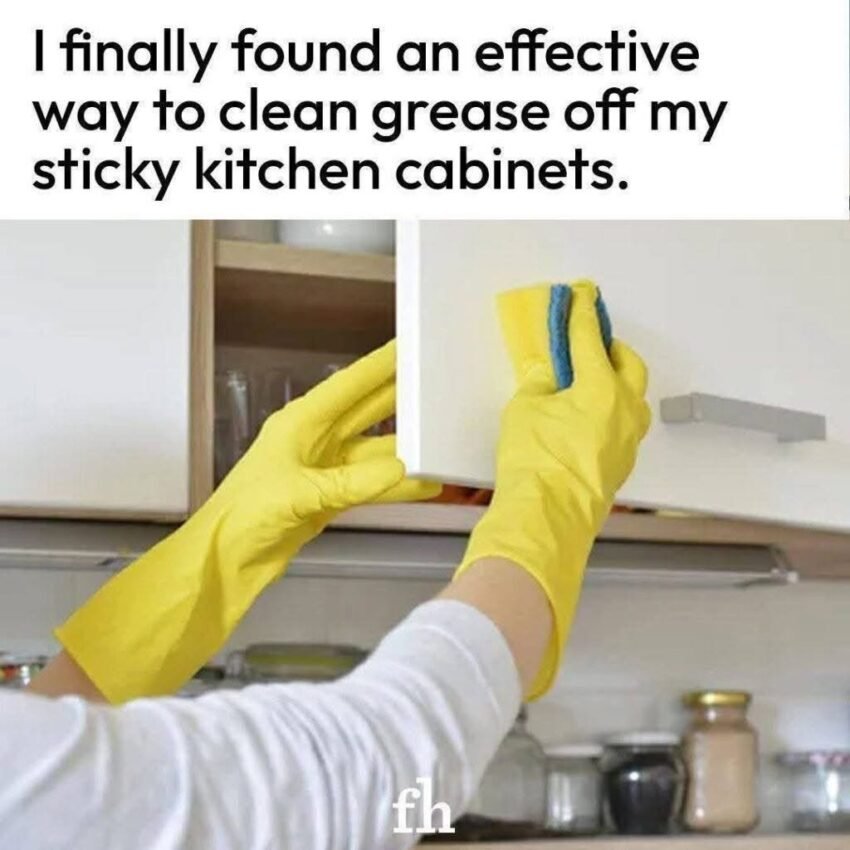
Learn how to clean sticky grease off kitchen cabinets using simple household ingredients. Discover safe, effective cleaning methods for wood, laminate, and painted cabinets without causing damage.
How to Clean Sticky Grease Off Kitchen Cabinets
Kitchen cabinets naturally collect grease over time. Every time you cook, tiny particles of oil, steam, and food residue settle onto cabinet surfaces, creating a sticky film that attracts dust and grime. Left untreated, this buildup can become difficult to remove and leave your cabinets looking dull and dirty. The good news is that you don’t need harsh chemicals to restore their shine. With a few common household products and the right techniques, you can safely remove sticky grease from most cabinet surfaces.
Why Kitchen Cabinets Become Sticky
Cooking releases airborne grease that settles on nearby surfaces. Over time, this grease mixes with dust, smoke, and moisture, forming a stubborn coating that’s harder to wipe away with plain water.
Cabinets closest to the stove usually accumulate the most grease.
1. Use Warm Water and Dish Soap
For light to moderate grease, dish soap is often the best place to start.
You’ll Need
- Warm water
- A few drops of grease-cutting dish soap
- Microfiber cloth
- Dry towel
Steps
- Mix warm water with a few drops of dish soap.
- Dip a microfiber cloth into the solution and wring it out well.
- Wipe cabinet surfaces using gentle circular motions.
- Rinse the cloth with clean water and wipe away any soap residue.
- Dry the cabinets immediately with a clean towel.
This method is safe for most painted, laminate, and finished wood cabinets.
2. White Vinegar Solution
Vinegar helps cut through greasy residue thanks to its mild acidity.
Instructions
- Mix equal parts white vinegar and warm water.
- Spray lightly onto a cloth—not directly onto the cabinet.
- Wipe greasy areas.
- Follow with a damp cloth and dry thoroughly.
Avoid frequent use on unfinished wood or natural stone surfaces, as vinegar may damage them over time.
3. Baking Soda Paste for Stubborn Spots
For thick or sticky grease that won’t come off easily:
How to Make It
- Mix baking soda with a small amount of water until it forms a paste.
- Apply gently to greasy spots using a soft cloth.
- Rub lightly without scrubbing aggressively.
- Wipe clean with a damp cloth.
- Dry immediately.
Baking soda provides gentle abrasion without being overly harsh when used carefully.
4. Try a Degreasing Cleaner
Commercial kitchen degreasers are designed to dissolve heavy grease buildup.
Always:
- Read the manufacturer’s instructions.
- Test the product on a hidden area first.
- Avoid oversaturating wood cabinets.
- Wipe away residue after cleaning.
Choose a cleaner that’s appropriate for your cabinet material.
5. Use Mineral Oil for Finished Wood Cabinets
After cleaning, finished wood cabinets may look dry.
A small amount of food-safe mineral oil applied with a soft cloth can help restore their appearance and add a protective finish. Avoid overapplying, as excess oil can attract dust.
6. Clean Cabinet Handles and Knobs
Cabinet hardware often collects grease from frequent handling.
Use:
- Warm soapy water
- A soft toothbrush for crevices
- A microfiber cloth for drying
If the hardware is removable, cleaning it separately can make the job easier.
7. Don’t Forget Cabinet Tops
The tops of upper cabinets often collect the heaviest grease because they’re rarely cleaned.
Use a step stool and carefully wipe these surfaces with warm soapy water or a degreasing solution.
Regular cleaning prevents thick, sticky buildup from developing.
8. Steam Carefully (If Appropriate)
A handheld steam cleaner may help loosen stubborn grease on some cabinet finishes.
However, avoid using steam on unfinished wood, damaged finishes, or cabinets with loose veneer, as excessive moisture and heat can cause warping or peeling.
Always follow the cabinet manufacturer’s care recommendations.
9. Dry Cabinets Immediately
After cleaning, always dry cabinet surfaces thoroughly.
Leaving moisture on wood cabinets can damage the finish over time.
A soft microfiber towel works best.
10. Prevent Future Grease Buildup
Keeping cabinets clean is much easier than removing months of accumulated grease.
Helpful habits include:
- Wipe cabinets weekly with a damp microfiber cloth.
- Use your kitchen exhaust fan while cooking.
- Clean splatters as soon as they happen.
- Wash cabinet handles regularly.
- Deep-clean cabinets every few months.
Small maintenance steps save time and effort later.
Cleaning Tips by Cabinet Material
Painted Cabinets
- Use warm water and mild dish soap.
- Avoid abrasive scrubbers.
- Dry immediately.
Laminate Cabinets
- Mild dish soap works well.
- Avoid soaking the surface.
- Use non-abrasive cloths.
Finished Wood Cabinets
- Clean gently with mild soap.
- Avoid excessive water.
- Use wood-safe products if recommended by the manufacturer.
Unfinished Wood
- Use minimal moisture.
- Avoid vinegar and harsh chemicals.
- Follow the manufacturer’s care instructions whenever possible.
Mistakes to Avoid
To protect your cabinets, avoid:
- Steel wool or abrasive scrub pads
- Bleach on finished wood
- Excessive water soaking into seams
- Spraying cleaners directly onto cabinets
- Mixing cleaning chemicals
- Using sharp tools to scrape grease
Gentle cleaning is more effective and less likely to damage the finish.
Final Thoughts
Sticky grease on kitchen cabinets is a common problem, but it’s also one of the easiest to solve with the right approach. In most cases, warm water, dish soap, and a microfiber cloth are enough to remove everyday grease safely. For tougher buildup, baking soda or a cabinet-safe degreaser can provide extra cleaning power.
By cleaning cabinets regularly and using your range hood while cooking, you can keep grease from building up in the first place. With a little routine maintenance, your kitchen cabinets will stay cleaner, brighter, and looking their best for years to come.