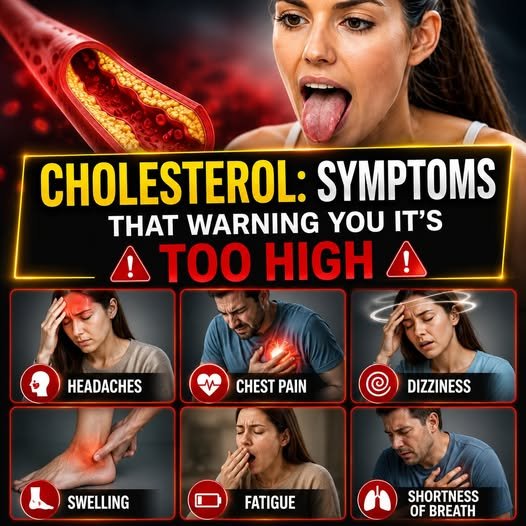
High Cholesterol: Detailed Explanation of Symptoms, Causes, Risks, and DetectionHigh cholesterol (hypercholesterolemia) means there is too much cholesterol circulating in your blood, especially LDL cholesterol (“bad cholesterol”). Cholesterol itself is not a symptom-producing substance; it can silently build up inside artery walls over time.
Why high cholesterol is dangerous
When LDL cholesterol accumulates in arteries, it can form plaque (fatty deposits). This process, called atherosclerosis, can narrow or block blood vessels and increase the risk of:
- Heart attack
- Stroke
- Peripheral artery disease (reduced blood flow to the legs)
5 possible warning signs (usually from complications)
1. Chest pain or pressure
What it may feel like:
- Tightness, heaviness, squeezing, or burning in the chest
- Pain that may spread to the arm, shoulder, neck, jaw, or back
- Often appears during physical activity or stress and improves with rest
Why it happens:
Plaque buildup in heart arteries can reduce oxygen supply to the heart muscle.
Emergency warning:
Chest pain with sweating, nausea, severe weakness, or shortness of breath may indicate a heart attack and requires urgent medical attention.
2. Shortness of breath and unusual tiredness
Possible signs:
- Getting tired faster than usual
- Difficulty breathing during normal activities
- Reduced exercise ability
Why it happens:
If cholesterol-related artery narrowing affects the heart, the heart may struggle to pump efficiently.
3. Leg pain while walking
Possible signs:
- Cramping or aching in calves, thighs, or hips during walking
- Pain improves after resting
- Cold feet or slow-healing wounds in severe cases
Why it happens:
Plaque can narrow leg arteries, reducing blood flow to muscles.
4. Yellow cholesterol deposits on skin or around eyes
Examples:
- Xanthelasma: yellowish patches around the eyelids
- Xanthomas: firm yellow bumps on tendons or skin
Why it happens:
Very high cholesterol levels can cause cholesterol to collect under the skin.
Note: Many people with high cholesterol do not develop these signs.
5. Stroke-related symptoms
High cholesterol can contribute to plaque formation in arteries supplying the brain.
Warning signs:
- Sudden weakness or numbness (especially one side of the body)
- Trouble speaking or understanding speech
- Facial drooping
- Sudden loss of vision
- Severe sudden headache or loss of balance
These require immediate emergency care.
Common causes and risk factors for high cholesterol
- Eating too much saturated fat and trans fat
- Being overweight
- Lack of physical activity
- Smoking
- Diabetes
- High blood pressure
- Genetics (familial high cholesterol)
- Increasing age
- Some thyroid, kidney, or liver conditions
Cholesterol numbers (general guide)
A lipid blood test measures:
- LDL (“bad”) cholesterol: Lower is usually better
- HDL (“good”) cholesterol: Higher is generally protective
- Triglycerides: Another type of blood fat
- Total cholesterol: Overall cholesterol level
Your doctor interprets these numbers based on your age, health history, and heart disease risk.
How to lower high cholesterol
Lifestyle changes:
✅ Eat more:
- Vegetables and fruits
- Whole grains
- Beans and lentils
- Nuts and seeds
- Fish rich in omega-3 fats
✅ Reduce:
- Fried foods
- Processed meats
- Butter, ghee, and high-fat dairy (especially in excess)
- Sugary drinks and refined carbohydrates
✅ Exercise:
- Aim for regular aerobic activity (such as brisk walking) most days of the week.
✅ Maintain a healthy weight and avoid smoking.
Medicines:
Some people need cholesterol-lowering medicines such as statins, especially if their cardiovascular risk is high.
When to get checked
A lipid profile blood test is the main way to detect high cholesterol because symptoms often appear only after damage has occurred. Regular testing is important for people with risk factors or a family history of heart disease.