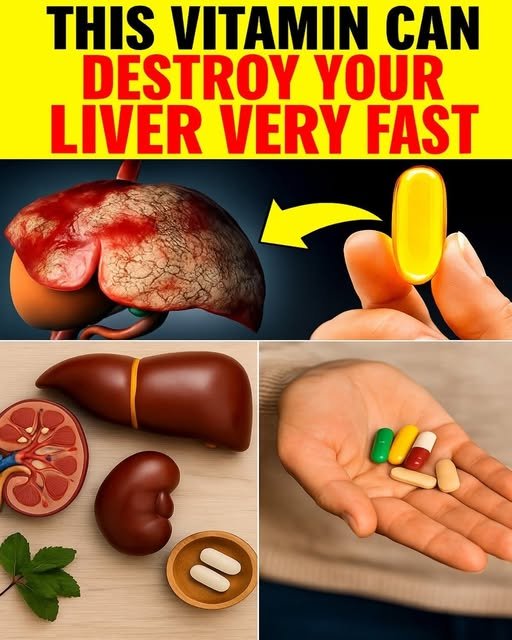
Vitamins and dietary supplements are often marketed as natural ways to improve health, boost energy, and prevent disease. Because many are available without a prescription, it’s easy to assume they’re completely safe. However, “natural” doesn’t always mean harmless.While many vitamins and supplements are safe when taken as directed, excessive doses, poor-quality products, or certain herbal ingredients can place significant stress on the liver and kidneys. These organs are responsible for processing nutrients, filtering waste, and removing toxins from the body. Taking too much of certain supplements—or using them inappropriately—can sometimes lead to serious health problems.
Here are nine vitamins and supplements that deserve extra caution.
1. Vitamin A
Vitamin A is essential for healthy vision, immune function, and skin health. However, unlike water-soluble vitamins, it is stored in the body’s fat and liver.
Taking high doses over long periods can cause vitamin A to accumulate, potentially leading to liver injury.
Possible signs of excessive vitamin A include:
- Headaches
- Dizziness
- Dry skin
- Bone pain
- Liver inflammation
- Nausea
Most healthy adults can meet their vitamin A needs through foods such as carrots, sweet potatoes, spinach, dairy products, and eggs without taking high-dose supplements.
2. Vitamin D
Vitamin D helps regulate calcium and supports healthy bones and muscles.
Although deficiency is common in some populations, taking very large doses without medical supervision can cause vitamin D toxicity.
Excess vitamin D may lead to:
- High blood calcium levels
- Kidney stones
- Kidney damage
- Confusion
- Excessive thirst
- Frequent urination
Because vitamin D requirements vary between individuals, supplementation is best guided by a healthcare professional when possible.
3. Niacin (Vitamin B3)
Niacin plays an important role in energy metabolism.
However, prescription-strength or high-dose niacin supplements can sometimes cause liver injury, particularly when taken for extended periods or without medical supervision.
Possible symptoms include:
- Fatigue
- Yellowing of the skin or eyes
- Dark urine
- Abdominal pain
The amount found in ordinary multivitamins is generally much lower than doses associated with liver toxicity.
4. Iron Supplements
Iron is essential for making red blood cells, but not everyone needs extra iron.
Taking iron supplements without a confirmed deficiency can result in iron overload in susceptible individuals, potentially damaging the liver and other organs.
Too much iron may also cause:
- Stomach pain
- Constipation
- Vomiting
- Liver injury in severe cases
Iron supplements should generally be taken only when recommended by a healthcare professional.
5. Green Tea Extract
Green tea as a beverage is generally considered safe for most people.
However, concentrated green tea extract found in some weight-loss and energy supplements has been linked to rare cases of liver injury, especially when taken in high doses or on an empty stomach.
Symptoms of liver injury include:
- Severe fatigue
- Nausea
- Yellow skin or eyes
- Dark urine
6. Kava
Kava is an herbal supplement often used for relaxation and anxiety.
Although some people find it helpful, reports have linked certain kava products to serious liver injury, including rare cases of liver failure.
People with existing liver disease or those who drink alcohol heavily should be especially cautious.
7. Bodybuilding Supplements
Some muscle-building supplements contain undeclared anabolic steroids or other ingredients that can harm both the liver and kidneys.
High-protein intake alone is not generally harmful to healthy kidneys, but certain bodybuilding products have been associated with:
- Liver inflammation
- Kidney injury
- Elevated liver enzymes
Choosing products that undergo independent quality testing may reduce—but not eliminate—risk.
8. Aristolochia (Aristolochic Acid)
Some traditional herbal products have contained aristolochic acid, a substance known to cause severe kidney damage and increase the risk of cancers of the urinary tract.
Because of these risks, aristolochic acid has been banned or heavily restricted in many countries. Consumers should avoid supplements containing this ingredient.
9. Multiple Supplements Taken Together
Many people combine several vitamins, herbs, and performance supplements without realizing that ingredients can overlap.
This may increase the risk of:
- Excessive vitamin intake
- Drug interactions
- Liver stress
- Kidney strain
Keeping a list of everything you take—including over-the-counter supplements—can help your healthcare provider identify potential problems.
Warning Signs of Liver Problems
Seek prompt medical attention if you develop:
- Yellowing of the skin or eyes
- Dark-colored urine
- Pale stools
- Severe abdominal pain
- Persistent nausea or vomiting
- Unusual fatigue
These symptoms can have many causes, but they warrant medical evaluation.
Warning Signs of Kidney Problems
Possible signs of kidney injury include:
- Swelling in the feet or ankles
- Changes in urination
- Blood in the urine
- Persistent fatigue
- Shortness of breath
- Nausea
If these symptoms occur, seek medical care promptly.
How to Take Supplements Safely
You can reduce your risk by following a few simple guidelines:
- Take supplements only when there is a clear need.
- Follow the recommended dosage on the label or your healthcare provider’s instructions.
- Tell your healthcare provider about every supplement you use, especially if you take prescription medications.
- Avoid products that promise “miracle” results or extremely rapid weight loss or muscle gain.
- Choose products from reputable manufacturers that use independent quality testing when available.
- Never assume that more is better.
Final Thoughts
Vitamins and supplements can play an important role in maintaining health, especially when they correct a documented deficiency or meet a specific medical need. However, taking high doses unnecessarily or using poorly regulated products can sometimes harm the liver or kidneys.
The safest approach is to use supplements thoughtfully, choose reputable products, and discuss long-term or high-dose use with a qualified healthcare professional—particularly if you have liver disease, kidney disease, or other chronic health conditions.
Remember, a balanced diet, regular physical activity, adequate sleep, and routine medical care remain the foundation of good health. Supplements are meant to complement a healthy lifestyle, not replace it.