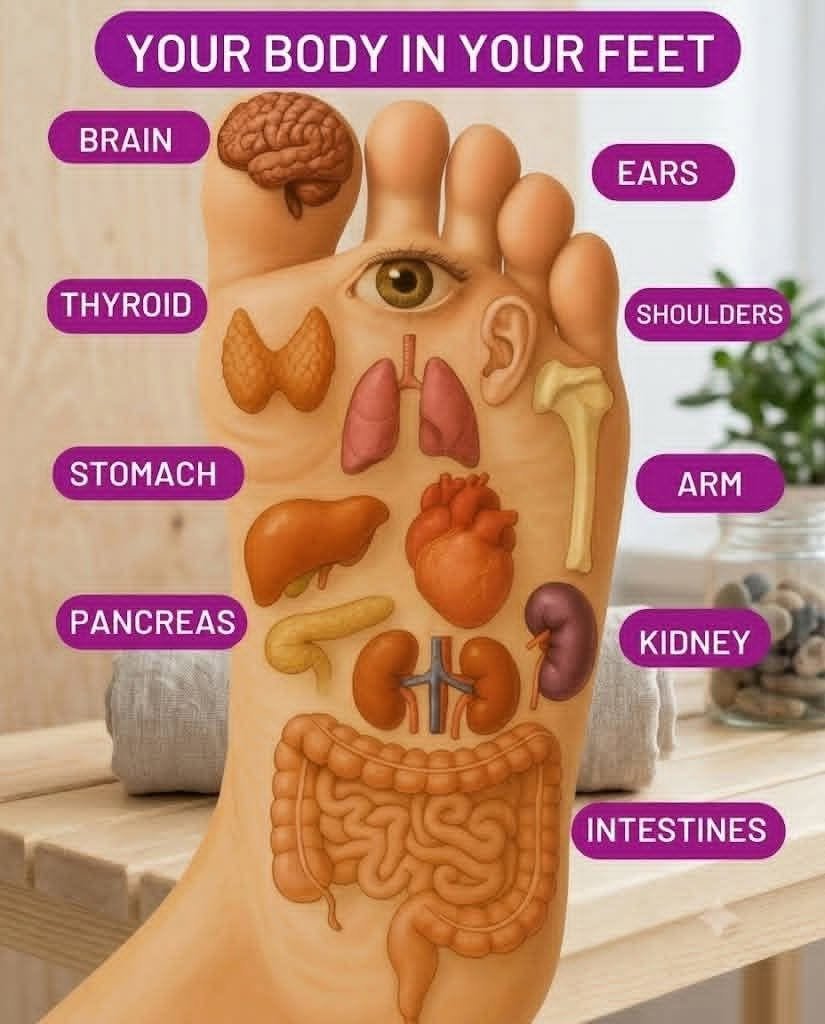
Your feet do much more than support your body and help you move. They can also provide clues about your overall health. Changes in your feet—such as skin colour, temperature, swelling, pain, or nail appearance—may sometimes indicate underlying issues that deserve attention.
While foot changes are not always signs of a serious condition, they can be valuable signals from your body. Learning what to look for can help you take better care of your health.
1. Cold Feet May Signal Circulation Problems
Having cold feet occasionally is common, especially in colder weather. However, feet that are constantly cold may be linked to reduced blood circulation.
Possible causes include:
- Poor blood flow
- Smoking-related circulation problems
- Thyroid issues
- Nerve problems
If one foot is noticeably colder than the other or the problem is persistent, it may be worth getting checked.
2. Numbness or Tingling in Your Feet
A “pins and needles” feeling or numbness in the feet can happen after sitting awkwardly, but frequent or ongoing sensations may need attention.
Possible causes include:
- Nerve compression
- Diabetes-related nerve changes
- Vitamin deficiencies
- Circulation problems
People with diabetes should pay particular attention to changes in foot sensation because nerve damage can develop gradually.
3. Swollen Feet and Ankles
Mild swelling after standing for a long time is common. However, persistent swelling may have different causes.
Possible reasons include:
- Fluid retention
- Long periods of inactivity
- Certain medications
- Vein circulation problems
- Heart, kidney, or liver conditions
Sudden swelling, especially in one leg, should be evaluated promptly.
4. Changes in Toenails
Your toenails can sometimes reflect changes in your body.
Look out for:
- Thickened nails
- Yellowing
- Brittle nails
- Slow nail growth
- Dark streaks
Some changes are caused by fungal infections, but others may be linked to circulation problems, injuries, or nutritional issues.
5. Cracked Heels and Dry Skin
Dry, cracked heels are common, especially in dry weather. However, deep cracks that do not heal may need attention.
Possible contributing factors include:
- Dehydration
- Skin conditions
- Poor foot care
- Certain health conditions affecting skin healing
Keeping feet moisturised and protected can help prevent painful cracks.
6. Foot Pain That Doesn’t Go Away
Foot pain is often blamed on shoes or overuse, but persistent discomfort may indicate an underlying problem.
Common causes include:
- Plantar fasciitis
- Arthritis
- Nerve irritation
- Injury
- Structural foot problems
Pain that continues despite rest or changes in footwear should not be ignored.
7. Changes in Foot Colour
The colour of your feet can sometimes provide clues about circulation.
Possible changes include:
- Pale feet
- Bluish or purple colouring
- Redness
- Unusual dark patches
These changes may have many causes, but sudden or significant colour changes should be checked.
8. Slow-Healing Cuts or Sores
Small cuts on your feet usually heal naturally. If wounds take a long time to heal, it may indicate problems with blood flow or immune function.
People at higher risk include those with:
- Diabetes
- Circulation problems
- Reduced sensation in their feet
Regular foot checks are especially important for these individuals.
9. Burning Sensation in Your Feet
A burning feeling, especially at night, may be related to nerve irritation.
Possible causes include:
- Nerve damage
- Vitamin deficiencies
- Diabetes
- Certain medications
If burning sensations continue or worsen, medical advice can help identify the cause.
10. Changes in Walking or Balance
Your feet play a major role in balance and movement. Changes such as:
- Difficulty walking normally
- Frequent stumbling
- Weakness in the feet
- New balance problems
may indicate issues involving muscles, nerves, joints, or circulation.
How to Keep Your Feet Healthy
Simple daily habits can protect your feet:
✅ Wash and dry your feet regularly
✅ Moisturise dry skin (avoid applying cream between toes unless advised)
✅ Wear comfortable, supportive footwear
✅ Trim toenails carefully
✅ Check your feet for cuts, swelling, or changes
✅ Stay physically active to support circulation
Final Thoughts
Your feet can provide important clues about your overall wellbeing. Changes in temperature, sensation, skin, nails, swelling, or pain may be your body’s way of asking for attention.
However, a foot symptom does not always mean a serious health problem. Many conditions can cause similar signs, so a proper medical evaluation is the best way to understand what is happening.
Taking care of your feet is not just about comfort—it is an important part of taking care of your whole body.