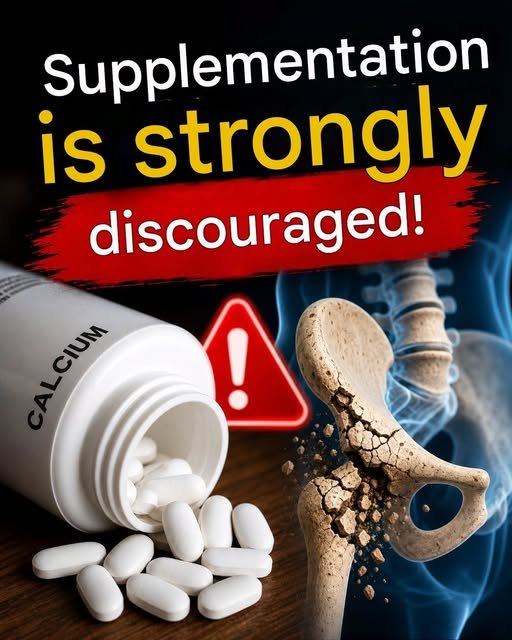
In recent years, many people have become cautious about taking vitamin supplements — and for good reason. Supplements are not always harmless, and taking high doses of nutrients without a clear need may sometimes create health risks.
However, the idea that all supplementation should be strongly discouraged is not accurate. The right approach depends on the individual, their health status, diet, and whether a deficiency has been identified.
Why Unnecessary Supplement Use Can Be a Problem
Many people assume that vitamins and minerals are always beneficial because they are essential for health. While the body does need these nutrients, more is not always better.
Taking supplements without a medical reason may:
- Provide no added benefit if nutrient levels are already adequate
- Cause side effects at high doses
- Interact with prescription medications
- Delay attention to underlying health issues
Certain nutrients can be harmful when taken excessively, especially those that accumulate in the body.
When Supplements May Be Helpful
Supplementation can be appropriate in specific situations, such as:
- A confirmed vitamin or mineral deficiency
- Medical conditions that affect nutrient absorption
- Certain dietary restrictions
- Increased nutritional needs during particular life stages
- A healthcare professional’s recommendation
For example, people with a diagnosed vitamin B12 deficiency may need supplements because correcting low levels is important for nerve and blood health.
Why “Natural” Does Not Always Mean “Safe”
A common misconception is that supplements are automatically safe because they come from natural sources.
In reality, vitamins and minerals are biologically active substances. High doses can affect the body in unexpected ways, especially when combined with medications or other supplements.
The Importance of Individual Advice
The best approach is not to avoid all supplements or take them routinely without thought. Instead:
- Identify whether you actually need a supplement
- Choose an appropriate dose
- Avoid unnecessary mega-dose products
- Review supplements with a healthcare professional if you have medical conditions or take medications
Food First: The Foundation of Good Nutrition
For most people, a balanced diet remains the best source of essential nutrients. Foods provide vitamins and minerals together with fibre, protein, and other beneficial compounds.
A diet including vegetables, fruits, whole grains, lean proteins, dairy or fortified alternatives, nuts, and healthy fats can support overall health.
Final Thoughts
Supplementation should not be viewed as automatically good or automatically bad. The key is using supplements wisely.
Avoid taking unnecessary high-dose products, but do not ignore medically recommended supplementation when a genuine need exists. Good health decisions come from understanding your own body, nutritional needs, and medical situation.