Most people eat a banana, toss the peel into the bin, and move on. But that peel still contains valuable organic material that can be reused in the garden and around the home.
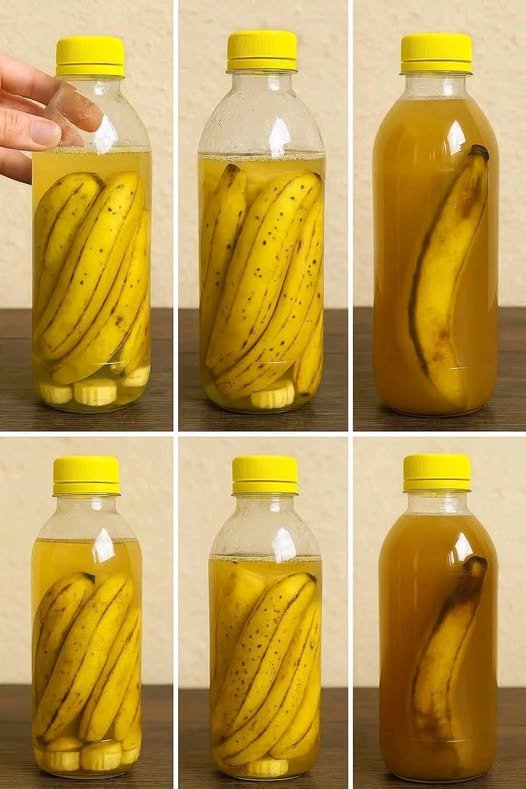
Instead of throwing banana peels away, you can transform them into a simple homemade resource. One popular method is placing banana peels in a bottle to create a natural plant supplement — a way to recycle kitchen waste while giving your plants extra nutrients.
Why Banana Peels Are Valuable
Banana peels contain natural compounds and minerals, including:
- Potassium – important for plant growth, flowering, and fruit development
- Calcium – supports plant structure and cell strength
- Magnesium – helps plants produce chlorophyll
- Small amounts of phosphorus and other minerals
These nutrients make banana peels a useful addition to compost and garden practices.
How to Make Banana Peel Water in a Bottle
What You Need:
- 1–3 banana peels
- A clean bottle or jar
- Water
- A lid or cover
Method:
- Cut banana peels into smaller pieces.
- Place them inside the bottle or jar.
- Fill the container with water.
- Cover loosely and allow it to sit for several days.
- Strain the liquid and use it to water plants.
The soaking process allows some minerals and organic compounds from the peel to move into the water.
How to Use It in the Garden
Banana peel water is often used for plants that benefit from potassium, such as:
- Tomatoes
- Peppers
- Roses
- Flowering plants
- Fruit-producing plants
Use it as a supplement alongside normal watering and good soil care.
Other Ways to Reuse Banana Peels
1. Add Them to Compost
Banana peels break down naturally and add organic matter to compost. They help create nutrient-rich compost that improves soil quality.
2. Chop and Add to Soil
Small pieces of banana peel can be buried in garden soil, where microorganisms gradually break them down.
3. Use as a Natural Cleaning Helper
The inside of a banana peel is sometimes used in household tips for polishing certain surfaces, although results vary depending on the material.
Important Tips Before Using Banana Peels
While banana peels are useful, they are not a complete fertilizer.
Keep in mind:
- Plants need a balance of nutrients, not just potassium.
- Too much organic material in one place can attract insects or create unpleasant smells.
- Avoid using moldy or rotten peels indoors.
- Wash peels if they have pesticide residues or coatings.
The Eco-Friendly Benefit
Reusing banana peels is a simple way to reduce food waste. Instead of sending organic material to a landfill, you can return nutrients back to the soil.
Small habits like composting, making homemade plant feeds, and reducing kitchen waste can make everyday living more sustainable.
Final Thoughts
A banana peel may look like rubbish, but it is still full of organic value. Turning it into a garden supplement is an easy recycling habit that can help reduce waste and support healthier soil.
The next time you finish a banana, consider saving the peel — your garden may benefit from what you would have thrown away.