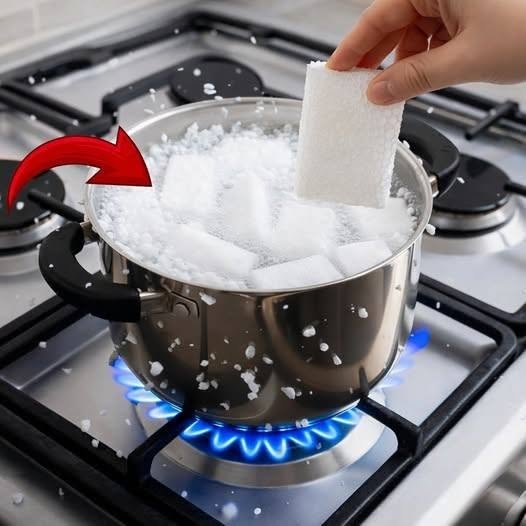
You may have seen videos claiming that old polystyrene (often called Styrofoam) can be boiled, transformed, and turned into something valuable. These kinds of recycling hacks are fascinating because they suggest that a common piece of waste could have a hidden second life.
But the reality is more complicated.
Polystyrene is a useful plastic with unusual properties, and while it can be recycled or repurposed, simply boiling it in a pot and magically turning it into cash is not a realistic or safe process.
Here is what is really happening.
Why Polystyrene Looks Like “Waste”
Expanded polystyrene (EPS), the lightweight foam used in packaging, food containers, and protective inserts, is mostly air.
A foam cup or packaging block may look large, but most of its volume comes from tiny pockets of trapped air. The actual amount of plastic material is surprisingly small.
This is why polystyrene creates a major recycling challenge:
- It takes up a lot of space
- It is lightweight
- It is easily contaminated with food or dirt
- Transporting it can cost more than the material is worth
Why People Heat or Dissolve Polystyrene
Some viral videos show polystyrene shrinking dramatically after exposure to certain liquids or heat.
The reason is simple: polystyrene foam contains trapped air. When the structure collapses, the material becomes much smaller and denser.
The result can look like a transformation, but it is not creating a new valuable material — it is mainly changing the form of the same plastic.
Can Polystyrene Actually Be Recycled?
Yes, but usually through specialised systems.
Recycling facilities may:
- Collect and sort polystyrene
- Compact or densify it
- Process it into reusable plastic material
- Manufacture new products
Recycled polystyrene can potentially be used for items such as:
- Plastic products
- Packaging materials
- Construction-related materials
- Industrial components
However, recycling options depend heavily on where you live because many local recycling programmes do not accept foam polystyrene.
Why “Boiling It Into Money” Is Misleading
The idea sounds attractive because it suggests an easy way to make profit from household waste.
But turning waste plastic into a valuable product requires:
- Proper equipment
- Controlled temperatures
- Safe handling
- Industrial processing
- A market for the final material
A kitchen experiment cannot replace a recycling operation.
The Hidden Value: Reducing Waste
Although old polystyrene may not become instant cash, it can still have value when handled responsibly.
Better options include:
♻️ Reuse It
Clean packaging foam can sometimes be reused for:
- Moving boxes
- Protecting fragile items
- Craft projects
- Storage solutions
♻️ Find Specialist Recycling
Some areas have drop-off points or companies that collect foam packaging.
♻️ Reduce Future Use
Choosing reusable packaging, avoiding unnecessary foam products, and supporting better packaging alternatives can have a bigger environmental impact.
A Better Way to Think About “Trash”
Many everyday objects seem worthless because we see only their current form.
Plastic, glass, metals, textiles, and electronics can all contain materials that have value — but unlocking that value usually requires the right process.
The lesson is not that boiling polystyrene creates money.
The real lesson is that waste is often a resource waiting for the right recycling system.
That old piece of foam in your cupboard may not be a hidden fortune, but it is still part of a much bigger conversation about how we use, reuse, and manage materials.