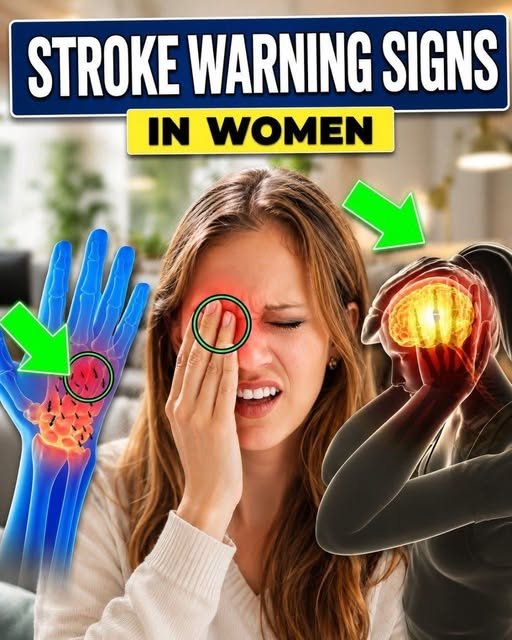
A stroke is a medical emergency that happens when blood flow to part of the brain is interrupted or when a blood vessel in the brain bursts. Every minute counts because brain cells begin to die within minutes without oxygen. While many stroke symptoms are the same in men and women, women can also experience less obvious warning signs that are sometimes mistaken for fatigue, stress, or illness.
Knowing the early symptoms can help you or someone you love get emergency medical care quickly. Prompt treatment greatly improves the chances of recovery and reduces the risk of permanent disability.
Important: If you suspect someone is having a stroke, call your local emergency services immediately. Do not wait to see if the symptoms improve.
1. Sudden Numbness or Weakness on One Side
One of the most common stroke warning signs is sudden weakness or numbness affecting the face, arm, or leg—especially on one side of the body.
You may notice:
- One side of the face drooping
- Difficulty lifting one arm
- Weakness in one leg
- A tingling sensation that appears suddenly
Ask the person to smile. If one side of the face droops or looks uneven, seek emergency help immediately.
2. Trouble Speaking or Understanding Words
A stroke can affect the brain’s language centres.
Warning signs include:
- Slurred speech
- Speaking in confusing or meaningless sentences
- Difficulty finding simple words
- Trouble understanding what others are saying
Even if these symptoms disappear after a few minutes, they could indicate a transient ischaemic attack (TIA), often called a “mini-stroke,” which still requires urgent medical evaluation.
3. Sudden Vision Changes
Stroke may suddenly affect your eyesight.
Possible symptoms:
- Blurred vision
- Double vision
- Loss of vision in one or both eyes
- Difficulty focusing
Many people mistakenly think eye problems are unrelated to stroke, but sudden visual disturbances should never be ignored.
4. Severe Headache with No Known Cause
A sudden, intense headache unlike any you’ve experienced before can be a warning sign, especially if caused by bleeding in the brain.
The headache may be accompanied by:
- Vomiting
- Neck stiffness
- Dizziness
- Confusion
- Sensitivity to light
Women are slightly more likely than men to experience headache as a stroke symptom.
5. Sudden Dizziness or Loss of Balance
Difficulty walking or maintaining balance can occur when stroke affects the brain areas responsible for coordination.
Watch for:
- Sudden dizziness
- Loss of coordination
- Falling without explanation
- Difficulty standing upright
- Feeling that the room is spinning
These symptoms are particularly important if they appear suddenly alongside other stroke warning signs.
6. Unusual Fatigue, Confusion, or Personality Changes
Women sometimes experience less typical stroke symptoms.
These may include:
- Extreme, sudden fatigue
- Confusion
- Difficulty concentrating
- Sudden behavioural changes
- Disorientation
- Reduced alertness
Because these symptoms can resemble stress, anxiety, or exhaustion, strokes in women may occasionally be recognised later than they should be.
7. Chest Pain, Shortness of Breath, or Nausea
Some women report symptoms that resemble a heart problem rather than a stroke.
These may include:
- Chest discomfort
- Difficulty breathing
- Sudden nausea
- Vomiting
- Hiccups
- General weakness
While these symptoms alone do not necessarily indicate a stroke, they require urgent medical attention if they occur suddenly alongside neurological symptoms.
Remember the FAST Test
The FAST test is an easy way to recognise common stroke symptoms:
F – Face: Does one side of the face droop?
A – Arms: Can both arms be raised evenly?
S – Speech: Is speech slurred or difficult?
T – Time: Call emergency services immediately if any of these signs are present.
Never drive yourself to the hospital if you suspect a stroke. Emergency medical teams can begin treatment sooner.
Risk Factors for Stroke in Women
Certain factors may increase a woman’s risk, including:
- High blood pressure
- Diabetes
- High cholesterol
- Smoking
- Obesity
- Physical inactivity
- Heart disease
- Atrial fibrillation
- Pregnancy-related complications
- Migraine with aura
- Certain hormonal medications
- Age and family history
Managing these risk factors with regular medical care can help reduce stroke risk.
When Should You Seek Emergency Care?
Seek immediate medical attention if you notice:
- Sudden facial drooping
- Weakness on one side
- Difficulty speaking
- Sudden vision loss
- Severe unexplained headache
- Loss of balance
- Sudden confusion
Even if symptoms improve quickly, they may still signal a serious underlying problem that requires urgent evaluation.
Final Thoughts
Stroke can happen at any age, but the risk increases with age and certain medical conditions. Women may experience both classic and less common symptoms, making awareness especially important.
Recognising the warning signs early and acting without delay can save brain function, reduce long-term disability, and even save a life. If you think someone is having a stroke, treat it as a medical emergency and seek immediate professional care.