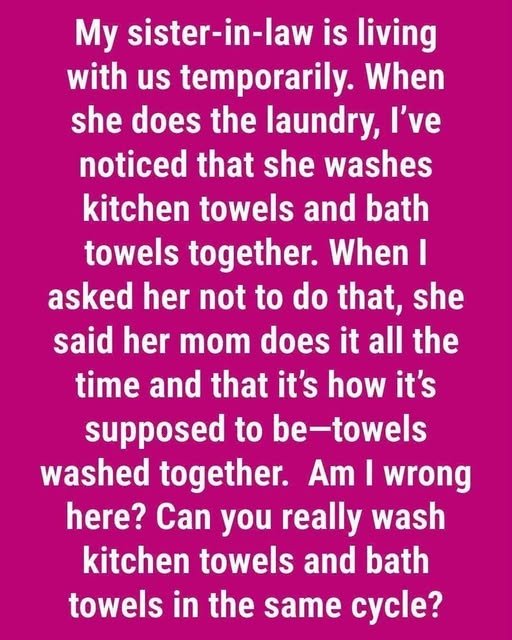
Towels are among the hardest-working items in any home, but not all towels are exposed to the same kinds of dirt and bacteria. Kitchen towels wipe up food spills, dry hands after handling raw ingredients, and clean countertops, while bath towels are mainly used to dry your body after bathing. That difference raises a common question: Should kitchen towels and bath towels be washed together?
The short answer is it’s usually best to wash them separately. While it may seem convenient to combine them into one load, separating towels can help improve hygiene, protect fabric quality, and ensure a more effective wash.
Why Kitchen Towels Are Different
Kitchen towels often come into contact with:
- Food particles
- Cooking oils and grease
- Raw meat or poultry juices
- Bacteria from kitchen surfaces
- Cleaning products
Because of this, they can harbour more germs than bath towels, especially if they aren’t changed frequently.
What About Bath Towels?
Bath towels are generally used on clean skin after bathing or showering. They mainly collect:
- Moisture
- Dead skin cells
- Body oils
- Skin bacteria naturally found on the body
Although bath towels should still be washed regularly, they are usually less likely to contain food-related bacteria than kitchen towels.
Why Washing Them Separately Makes Sense
Better Hygiene
Separating kitchen towels from bath towels reduces the chance of transferring food-related bacteria onto items used for personal hygiene.
More Effective Cleaning
Kitchen towels often require a hotter wash or a stronger detergent to remove grease and food residue. Bath towels usually don’t need such intensive cleaning.
Improved Fabric Care
Kitchen towels are often made from different fabrics than bath towels. Washing similar fabrics together helps maintain softness and absorbency.
When Can They Be Washed Together?
In some cases, washing them together may be acceptable if:
- The kitchen towels have only been used for drying clean hands.
- None of the towels are heavily soiled.
- You wash them using the hottest temperature recommended on the care labels.
- You use an appropriate laundry detergent.
- The load is dried thoroughly afterwards.
However, if kitchen towels have been used to wipe up raw meat juices, grease, or heavily soiled surfaces, they should always be washed separately.
Tips for Cleaner Towels
- Change kitchen towels every day or two if used frequently.
- Wash bath towels after about three to four uses, or sooner if they remain damp between uses.
- Avoid overloading the washing machine so towels can move freely.
- Dry towels completely before storing them to help prevent mildew and unpleasant odours.
- Replace towels that remain musty or have lost their absorbency despite washing.
Common Laundry Mistakes to Avoid
- Leaving damp towels in the washing machine for several hours.
- Using too much fabric softener, which can reduce towel absorbency over time.
- Washing heavily soiled kitchen towels with clothing or personal linens.
- Ignoring care labels that recommend specific washing temperatures.
Final Thoughts
While washing kitchen and bath towels together isn’t always unsafe, keeping them in separate loads is generally the more hygienic choice, especially if kitchen towels have been exposed to food, grease, or raw ingredients. A simple habit of sorting towels by their use can help keep your laundry fresher, your towels in better condition, and your home a little cleaner overall.