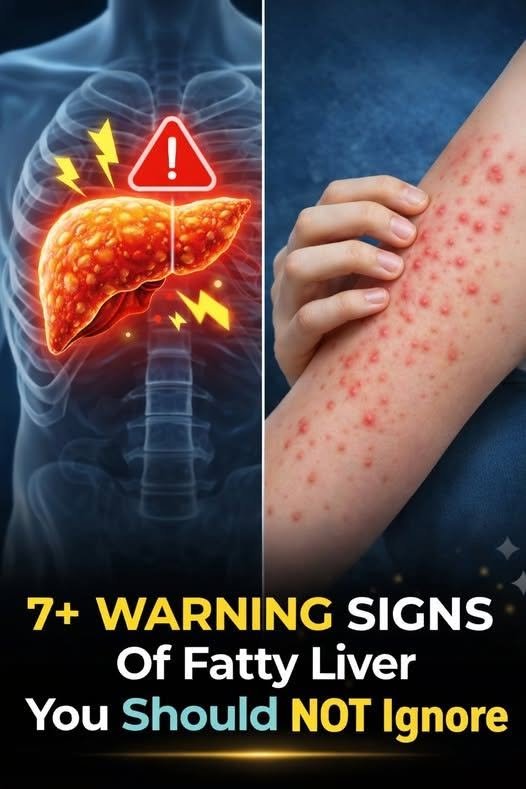
Fatty liver disease has become one of the most common liver conditions worldwide, affecting millions of people across all age groups. Often called a “silent disease,” it can develop without noticeable symptoms for years while gradually damaging the liver. The good news is that, in many cases, fatty liver can be prevented, managed, and even reversed with timely lifestyle changes.
Understanding what causes fatty liver, recognising the warning signs, and knowing the available treatment options are essential steps toward protecting your liver and overall health.
In this comprehensive guide, we’ll explore everything you need to know about fatty liver—from its causes and symptoms to diagnosis, treatment, prevention, and practical lifestyle tips.
What Is Fatty Liver Disease?
Fatty liver disease, also known as hepatic steatosis, occurs when excess fat builds up in the liver. While it’s normal for the liver to contain a small amount of fat, problems arise when fat accounts for more than about 5% of the liver’s weight.
The liver is one of the body’s most important organs. It performs hundreds of essential functions, including:
- Filtering toxins from the blood
- Producing bile to aid digestion
- Storing vitamins and minerals
- Processing nutrients
- Regulating blood sugar
- Helping with blood clotting
When too much fat accumulates, the liver may become inflamed, leading to scarring and, in severe cases, permanent liver damage.
Types of Fatty Liver Disease
Non-Alcoholic Fatty Liver Disease (NAFLD)
Non-alcoholic fatty liver disease develops in people who drink little or no alcohol. It is closely linked to obesity, insulin resistance, type 2 diabetes, and metabolic syndrome.
Many people with NAFLD experience no symptoms, particularly in the early stages.
Metabolic Dysfunction-Associated Steatotic Liver Disease (MASLD)
Many medical organisations now use the term Metabolic Dysfunction-Associated Steatotic Liver Disease (MASLD) to describe the condition previously known as most cases of NAFLD. The updated name reflects its strong association with metabolic health issues such as obesity, insulin resistance, high blood pressure, and abnormal cholesterol levels.
Alcohol-Related Fatty Liver Disease
Excessive alcohol consumption can overwhelm the liver’s ability to process fats, leading to fat accumulation and inflammation.
Reducing or eliminating alcohol intake is the cornerstone of treatment.
Common Causes of Fatty Liver
Several factors can contribute to fat accumulation in the liver.
Excess Body Weight
Carrying excess weight, especially around the abdomen, significantly increases the risk of fatty liver.
Type 2 Diabetes
High blood sugar and insulin resistance encourage fat storage within liver cells.
High Cholesterol and Triglycerides
Elevated blood fats can contribute to fat deposits in the liver.
Poor Diet
Regular consumption of sugary drinks, highly processed foods, refined carbohydrates, and foods high in saturated fats may increase the risk.
Lack of Physical Activity
A sedentary lifestyle reduces the body’s ability to burn stored fat efficiently.
Excessive Alcohol Intake
Heavy alcohol use remains a leading cause of fatty liver disease.
Certain Medications
Some medicines may contribute to fatty liver in susceptible individuals. Never stop a prescribed medication without speaking to your healthcare provider.
Rapid Weight Loss
Losing weight too quickly can temporarily increase fat movement into the liver.
Symptoms of Fatty Liver
Many people have no symptoms until the disease has progressed.
When symptoms do occur, they may include:
- Persistent fatigue
- Discomfort or dull pain in the upper right abdomen
- Feeling generally unwell
- Weakness
- Unexplained weight loss (in advanced disease)
- Enlarged liver
- Difficulty concentrating in some people
As liver damage progresses, symptoms may become more serious.
Advanced Signs That Need Immediate Medical Attention
Seek urgent medical care if you experience:
- Yellowing of the skin or eyes (jaundice)
- Swelling of the abdomen or legs
- Vomiting blood
- Black, tarry stools
- Severe confusion or drowsiness
- Persistent severe abdominal pain
These symptoms may indicate advanced liver disease or another serious condition.
How Is Fatty Liver Diagnosed?
Doctors use several methods to diagnose fatty liver.
Medical History and Physical Examination
Your healthcare provider will ask about:
- Alcohol consumption
- Diet
- Medical conditions
- Family history
- Medications
They may also examine your abdomen for signs of an enlarged liver.
Blood Tests
Blood tests can assess liver enzymes and help identify liver inflammation, though they cannot confirm fatty liver on their own.
Imaging Tests
Common imaging tests include:
- Ultrasound
- CT scan
- MRI
- Specialised ultrasound techniques that estimate liver stiffness and fat content
Liver Biopsy
In selected cases, a small sample of liver tissue may be taken to assess inflammation, scarring, or other liver diseases.
Can Fatty Liver Be Reversed?
In many cases, yes.
Early-stage fatty liver often improves significantly when the underlying causes are addressed.
Lifestyle changes remain the most effective treatment for most people.
However, advanced scarring (cirrhosis) cannot usually be reversed, making early diagnosis especially important.
Best Treatments for Fatty Liver
Achieve Gradual Weight Loss
For people who are overweight or living with obesity, gradual weight loss can reduce liver fat and improve liver health.
Rapid weight loss is generally not recommended because it may temporarily worsen liver fat.
Aim for a steady, sustainable approach under the guidance of your healthcare provider if needed.
Eat a Liver-Friendly Diet
A balanced eating pattern can support liver health.
Focus on:
- Vegetables
- Fruits
- Whole grains
- Beans and lentils
- Nuts and seeds
- Lean protein
- Fish rich in omega-3 fatty acids
- Healthy fats such as olive oil
Limit:
- Sugary drinks
- Sweets
- White bread
- Highly processed foods
- Foods high in saturated and trans fats
Exercise Regularly
Both aerobic exercise and strength training can help reduce liver fat, even without major weight loss.
Aim for at least 150 minutes of moderate-intensity physical activity each week, along with muscle-strengthening activities on two or more days if appropriate for you.
Manage Blood Sugar
People with diabetes should work closely with their healthcare team to keep blood sugar within target ranges.
Good diabetes management may help reduce liver fat and lower the risk of complications.
Control Cholesterol and Blood Pressure
Managing cholesterol and blood pressure supports both liver and heart health.
Your healthcare provider may recommend lifestyle changes, medication, or both.
Avoid Excess Alcohol
If your healthcare provider advises it, avoiding or significantly reducing alcohol intake can help prevent further liver damage.
Foods That Support Liver Health
While no single food can cure fatty liver, these choices may support overall liver health:
- Leafy green vegetables
- Berries
- Oats
- Beans
- Fatty fish such as salmon and sardines
- Walnuts
- Avocados
- Coffee (for many adults, moderate coffee consumption has been associated with a lower risk of liver scarring, though individual advice may vary)
A healthy overall eating pattern is more important than focusing on any one “superfood.”
Common Myths About Fatty Liver
Myth: Only people who drink alcohol get fatty liver.
Fact: Most cases are related to metabolic health issues rather than alcohol consumption.
Myth: Fatty liver always causes symptoms.
Fact: Many people have no symptoms for years.
Myth: Thin people cannot develop fatty liver.
Fact: Although excess weight is a major risk factor, people with a healthy body weight can also develop fatty liver, particularly if they have diabetes, certain genetic factors, or metabolic problems.
Myth: Detox drinks can cure fatty liver.
Fact: There is no scientific evidence that detox drinks or cleanses reverse fatty liver. Sustainable lifestyle changes are far more effective.
Tips to Prevent Fatty Liver
Simple daily habits can reduce your risk:
- Maintain a healthy weight.
- Exercise regularly.
- Eat a balanced diet rich in whole foods.
- Limit sugary beverages.
- Avoid smoking.
- Follow your treatment plan for diabetes, high cholesterol, or high blood pressure.
- Have regular health check-ups if you have risk factors.
Frequently Asked Questions
Is fatty liver dangerous?
It can be. While many people never develop complications, untreated fatty liver may progress to inflammation, scarring (fibrosis), cirrhosis, liver failure, or liver cancer in some cases.
Can fatty liver go away on its own?
It may improve if the underlying causes are addressed, especially through healthy eating, regular exercise, weight management, and reducing alcohol intake when appropriate.
Are there medicines that cure fatty liver?
At present, there is no single medication approved specifically to cure most cases of fatty liver disease. Treatment focuses on addressing the underlying metabolic risk factors and improving lifestyle habits. Your healthcare provider may prescribe medicines to manage related conditions such as diabetes or high cholesterol.
How long does it take to improve fatty liver?
The timeline varies from person to person. Some people show improvement within a few months of consistent lifestyle changes, while others may take longer depending on the severity of the condition and other health factors.
Final Thoughts
Fatty liver disease is common, but it doesn’t have to define your future health. In its early stages, the condition is often reversible through gradual weight loss, regular physical activity, a balanced diet, and management of related conditions such as diabetes and high cholesterol.
The liver has an impressive ability to heal, especially when given the right support. Paying attention to risk factors, attending regular medical check-ups, and making sustainable lifestyle changes can significantly reduce the likelihood of long-term complications.
If you suspect you may have fatty liver or have been diagnosed with the condition, work closely with your healthcare provider to develop a personalised plan. Taking action today can help protect your liver and support better overall health for years to come.