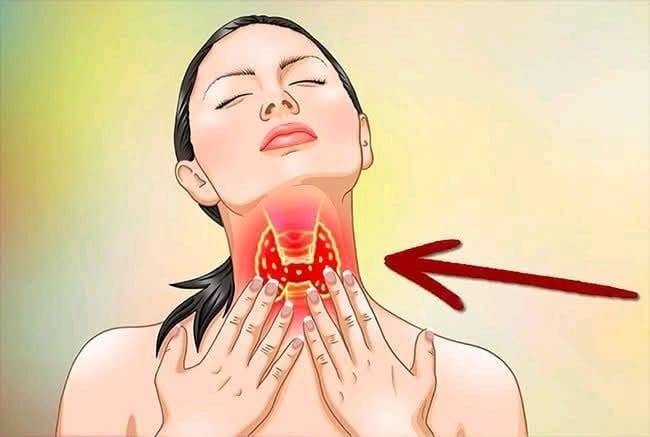
The thyroid is a small butterfly-shaped gland located at the front of your neck, but it plays a huge role in your overall health. It produces hormones that regulate metabolism, energy levels, body temperature, heart rate, and many other essential functions.
When the thyroid doesn’t produce enough hormones—a condition known as hypothyroidism—or when it’s damaged by an autoimmune condition like Hashimoto’s disease, people may experience symptoms such as fatigue, weight gain, dry skin, constipation, depression, hair thinning, and sensitivity to cold.
While prescribed thyroid hormone medication remains the primary treatment for hypothyroidism, good nutrition can help support overall thyroid function and correct nutrient deficiencies that are more common in people with thyroid disorders.
Here are five important vitamins and nutrients that may play a role in supporting thyroid health, along with what the research says.
Understanding Hypothyroidism and Hashimoto’s Disease
Hypothyroidism occurs when the thyroid gland doesn’t produce enough thyroid hormones to meet the body’s needs.
The most common cause in many countries is Hashimoto’s disease, an autoimmune disorder in which the immune system mistakenly attacks the thyroid gland. Over time, this ongoing inflammation can reduce the gland’s ability to produce hormones.
Common symptoms include:
- Persistent fatigue
- Weight gain
- Feeling cold easily
- Dry skin
- Hair loss or thinning
- Constipation
- Slower heart rate
- Muscle weakness
- Brain fog
- Depression
- Hoarse voice
Because these symptoms can overlap with many other conditions, diagnosis requires blood tests and evaluation by a healthcare professional.
1. Vitamin D
Vitamin D is best known for supporting healthy bones, but it also plays an important role in regulating the immune system.
Several studies have found that vitamin D deficiency is more common in people with Hashimoto’s disease than in the general population. While researchers continue to study the relationship, correcting a deficiency may support overall health and immune function.
Good sources of vitamin D include:
- Oily fish such as salmon and mackerel
- Egg yolks
- Fortified dairy products and plant-based alternatives
- Safe sun exposure
- Vitamin D supplements if recommended by your healthcare provider
Because excessive vitamin D can be harmful, supplements should be taken only as advised after assessing your individual needs.
2. Vitamin B12
Vitamin B12 helps produce red blood cells, supports nerve function, and contributes to normal energy metabolism.
Some people with Hashimoto’s disease have low vitamin B12 levels, particularly if they also have autoimmune conditions that affect nutrient absorption, such as pernicious anaemia.
Low B12 levels can cause symptoms including:
- Fatigue
- Weakness
- Numbness or tingling in the hands and feet
- Difficulty concentrating
- Memory problems
Foods rich in vitamin B12 include:
- Fish
- Meat
- Eggs
- Milk
- Cheese
- Fortified breakfast cereals
People following vegan diets may need fortified foods or supplements to meet their needs.
3. Selenium
Although technically a mineral rather than a vitamin, selenium is one of the most important nutrients for thyroid health.
The thyroid contains more selenium than almost any other organ in the body. Selenium helps activate thyroid hormones and protects thyroid tissue from oxidative stress.
Some research suggests selenium supplementation may reduce thyroid antibody levels in certain people with Hashimoto’s disease, but evidence is mixed, and it has not been shown to replace standard treatment.
Dietary sources include:
- Brazil nuts (very high in selenium)
- Tuna
- Sardines
- Eggs
- Turkey
- Chicken
- Whole grains
Because too much selenium can be toxic, avoid high-dose supplements unless recommended by your healthcare provider.
4. Vitamin A
Vitamin A supports immune function, vision, skin health, and may also contribute to normal thyroid hormone regulation.
Severe vitamin A deficiency is uncommon in many countries, but maintaining adequate intake supports overall health.
Good food sources include:
- Sweet potatoes
- Carrots
- Pumpkin
- Spinach
- Kale
- Liver
- Eggs
A balanced diet generally provides sufficient vitamin A for most adults.
5. Vitamin C
Vitamin C is a powerful antioxidant that supports the immune system and helps protect cells from oxidative stress.
It also improves the absorption of iron from plant-based foods. This is particularly helpful because iron deficiency is more common in people with hypothyroidism and may worsen fatigue.
Excellent sources include:
- Oranges
- Strawberries
- Kiwi fruit
- Bell peppers
- Broccoli
- Tomatoes
- Brussels sprouts
Eating a variety of colourful fruits and vegetables is the best way to obtain adequate vitamin C.
Other Important Nutrients for Thyroid Health
In addition to the vitamins above, several other nutrients deserve attention.
Iron
Iron is essential for producing thyroid hormones. Low iron levels can contribute to tiredness and may reduce thyroid function in people who are deficient.
Good sources include lean meat, beans, lentils, spinach, and fortified cereals.
Zinc
Zinc supports immune function and helps the body produce thyroid hormones.
Foods rich in zinc include:
- Beef
- Pumpkin seeds
- Chickpeas
- Seafood
- Nuts
Iodine
Iodine is necessary for making thyroid hormones.
However, more is not always better. Excess iodine can worsen thyroid function in some people with Hashimoto’s disease.
Most people who use iodised salt or eat a varied diet obtain enough iodine without supplements.
Should You Take Supplements?
Not everyone with hypothyroidism or Hashimoto’s disease needs vitamin supplements.
The best approach is to identify and treat confirmed deficiencies rather than taking large doses “just in case.”
Before starting supplements, your healthcare provider may recommend blood tests to assess levels of nutrients such as vitamin D, vitamin B12, iron, or others based on your symptoms and medical history.
Some supplements can interfere with thyroid medication.
For example:
- Calcium supplements
- Iron supplements
- Magnesium supplements
These should generally be taken several hours apart from levothyroxine, as they can reduce its absorption.
Always follow your healthcare provider’s instructions regarding medication timing.
Lifestyle Tips to Support Thyroid Health
Healthy daily habits can complement medical treatment.
Consider:
- Eating a balanced diet rich in whole foods
- Exercising regularly according to your ability
- Getting enough sleep
- Managing stress
- Avoiding smoking
- Limiting ultra-processed foods
- Taking thyroid medication exactly as prescribed
- Attending regular medical check-ups
These habits support overall wellbeing and may help you manage symptoms more effectively.
Common Myths About Vitamins and Thyroid Disease
Myth: Vitamins can cure hypothyroidism.
Fact: Vitamins cannot replace thyroid hormone medication. They may help correct deficiencies and support overall health, but they do not cure an underactive thyroid.
Myth: Everyone with Hashimoto’s needs iodine supplements.
Fact: Too much iodine may actually worsen autoimmune thyroid disease in some people. Supplementation should only be used when recommended by a healthcare professional.
Myth: Taking more supplements speeds recovery.
Fact: High doses of certain vitamins and minerals can be harmful. More is not always better.
Myth: Natural supplements are always safe.
Fact: Even natural products can interact with medications or cause side effects. Always discuss supplements with your healthcare provider.
Frequently Asked Questions
Can vitamins reverse hypothyroidism?
No. If your thyroid no longer produces enough hormones, vitamin supplements cannot restore normal thyroid function. Prescription thyroid hormone replacement remains the standard treatment.
Is selenium safe for everyone with Hashimoto’s disease?
Not necessarily. While some studies suggest selenium may benefit certain individuals, excessive intake can be harmful. Speak with your healthcare provider before taking supplements.
Should I avoid certain foods if I have hypothyroidism?
Most people can enjoy a balanced diet. Some foods, such as soy products and high-fibre meals, may affect the absorption of thyroid medication if eaten at the same time. It’s generally recommended to take levothyroxine on an empty stomach and wait before eating, following your healthcare provider’s advice.
How often should thyroid levels be checked?
The frequency depends on your condition, treatment, and whether your medication dose has changed. Your healthcare provider will recommend an appropriate schedule, often every few months when adjusting treatment and less frequently once levels are stable.
Final Thoughts
Living with hypothyroidism or Hashimoto’s disease can be challenging, but the right treatment and healthy lifestyle choices can make a significant difference. While vitamins and minerals such as vitamin D, vitamin B12, selenium, vitamin A, and vitamin C play important roles in overall health, they are not substitutes for prescribed thyroid medication.
If you have concerns about nutrient deficiencies, ask your healthcare provider whether testing is appropriate before starting supplements. A balanced diet, regular follow-up appointments, and taking thyroid medication as directed remain the foundation of effective thyroid care.
Supporting your thyroid isn’t about finding a miracle vitamin—it’s about combining evidence-based medical treatment with good nutrition and healthy everyday habits to help your body function at its best.