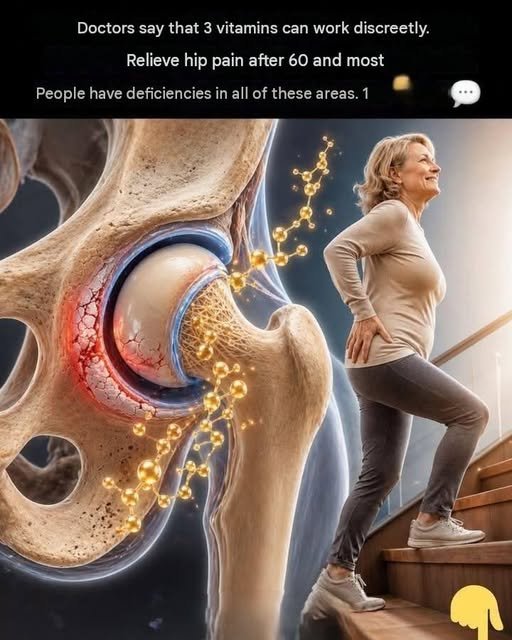
Hip osteoarthritis is one of the most common causes of joint pain and stiffness, especially as people grow older. It develops when the protective cartilage cushioning the hip joint gradually wears away, making everyday activities such as walking, climbing stairs, or standing up more uncomfortable.
Although no vitamin can cure osteoarthritis or make damaged cartilage grow back, maintaining adequate levels of certain nutrients may support overall joint health and help if a deficiency is contributing to symptoms. Vitamins work best alongside proven treatments such as regular exercise, weight management, physical therapy, and medications when recommended by a healthcare provider.
Here are three important vitamins that play a role in bone and joint health.
1. Vitamin D: Essential for Strong Bones
Vitamin D helps the body absorb calcium, keeping bones strong and healthy. Low vitamin D levels are common, particularly in older adults, and deficiency can contribute to bone pain, muscle weakness, and an increased risk of fractures.
Potential Benefits
- Supports bone strength.
- Helps maintain muscle function.
- May reduce pain caused by vitamin D deficiency.
- Important for overall mobility.
Natural Sources
- Fatty fish such as salmon, sardines, and mackerel.
- Egg yolks.
- Fortified milk and cereals.
- Sensible sunlight exposure.
If you’re concerned about your vitamin D levels, a healthcare provider can recommend a blood test before advising supplements.
2. Vitamin C: Supporting Collagen Production
Vitamin C is a powerful antioxidant that helps the body produce collagen, a protein found in cartilage, tendons, and ligaments.
Potential Benefits
- Supports healthy connective tissues.
- Protects cells from oxidative stress.
- Promotes wound healing.
- Contributes to immune health.
Natural Sources
- Oranges and other citrus fruits.
- Strawberries.
- Kiwi fruit.
- Bell peppers.
- Broccoli.
- Tomatoes.
While vitamin C is important for overall health, current evidence does not show that taking high-dose supplements reverses hip osteoarthritis.
3. Vitamin K: Important for Bone Health
Vitamin K helps regulate proteins involved in bone formation and mineralisation. Some studies suggest low vitamin K status may be associated with a greater risk of osteoarthritis progression, but research is still ongoing.
Natural Sources
- Spinach.
- Kale.
- Broccoli.
- Brussels sprouts.
- Cabbage.
Important: If you take blood-thinning medication such as warfarin, speak with your healthcare provider before changing your vitamin K intake.
Lifestyle Habits That Can Make a Bigger Difference
Vitamins are only one piece of the puzzle. The following strategies have stronger evidence for improving symptoms of hip osteoarthritis:
- Maintain a healthy body weight to reduce stress on the hip.
- Stay physically active with low-impact exercises like walking, swimming, or cycling.
- Perform strengthening exercises for the hips and legs.
- Stretch regularly to maintain flexibility.
- Use supportive footwear.
- Follow your healthcare provider’s advice regarding pain relief and physical therapy.
Foods That Support Joint Health
A balanced diet can provide many of the nutrients your joints need:
- Oily fish rich in omega-3 fats.
- Colourful fruits and vegetables.
- Whole grains.
- Beans and lentils.
- Nuts and seeds.
- Low-fat dairy products.
These foods also support heart health and help maintain a healthy weight.
When to See a Healthcare Provider
Seek medical advice if you experience:
- Persistent hip pain lasting several weeks.
- Severe stiffness that limits daily activities.
- Swelling, redness, or warmth around the joint.
- Difficulty walking or bearing weight.
- Sudden worsening pain after a fall or injury.
A healthcare provider can confirm whether osteoarthritis is the cause and recommend appropriate treatment.
The Bottom Line
Vitamin D, C, and K are all important for maintaining healthy bones and supporting normal joint function. However, they are not a cure for hip osteoarthritis, and supplements are most helpful when correcting a deficiency or when recommended by a healthcare professional.
For lasting symptom relief, combine good nutrition with regular exercise, weight management, and evidence-based medical care. This comprehensive approach offers the best chance of improving mobility and reducing discomfort over time.