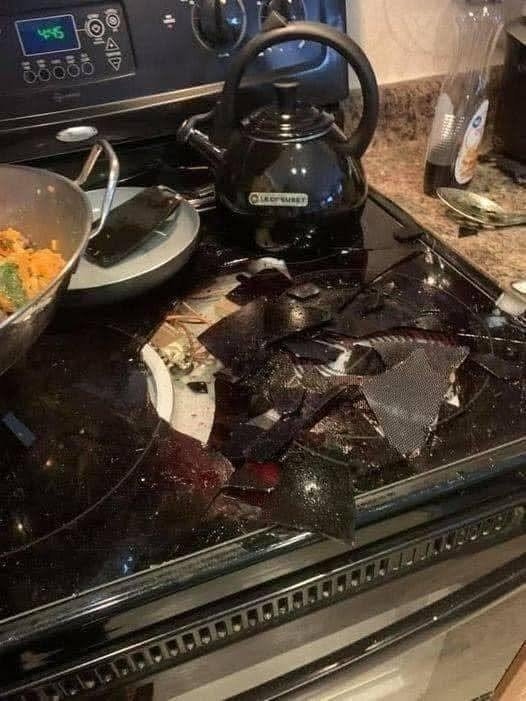
Glass stovetops add a sleek, modern touch to any kitchen, but they also require a little extra care. Unlike traditional coil burners, glass-ceramic cooktops can be scratched, cracked, or permanently stained if they’re used incorrectly. Many common habits that seem harmless can shorten the life of your stovetop or even create a safety hazard.
If you want your cooktop to stay looking new and perform efficiently, avoid these nine dangerous mistakes.
1. Sliding Heavy Pots and Pans Across the Surface
One of the quickest ways to damage a glass stovetop is by dragging cookware across it. Even smooth-bottomed pots can leave scratches, while cast iron and rough-bottomed cookware can cause deeper marks.
Instead, always lift cookware when moving it from one burner to another.
2. Using Cookware with Rough or Warped Bottoms
Not all pots and pans are suitable for glass cooktops. Cookware with rough, uneven, or warped bottoms can scratch the surface and prevent even heat distribution.
Choose cookware with:
- Flat, smooth bottoms
- Clean cooking surfaces
- The correct size for each burner
3. Placing Heavy Objects on the Cooktop
A glass stovetop isn’t designed to support excessive weight. Standing on it, placing heavy appliances on top, or dropping large cookware can crack the glass.
Even a small crack can worsen over time and may require replacing the entire cooktop.
4. Cleaning While the Surface Is Extremely Hot
It’s tempting to wipe away spills immediately, but using a wet cloth or cleaning solution on a very hot cooktop can produce steam and may damage some cleaning products. Certain sugary spills, however, should be removed carefully as soon as it is safe because they can permanently bond to the surface.
Allow the cooktop to cool according to the manufacturer’s guidance before routine cleaning.
5. Using Abrasive Cleaners or Steel Wool
Harsh scrubbing pads may seem effective, but they can permanently scratch the glass.
Avoid:
- Steel wool
- Metal brushes
- Abrasive scouring powders
- Harsh scraping tools not intended for glass cooktops
Instead, use a cleaner made for glass cooktops and a soft microfibre cloth or a non-scratch cleaning pad.
6. Leaving Spills to Burn On
Food spills—especially sugary foods, syrups, sauces, or melted plastic—can become much harder to remove once they harden.
Clean spills promptly once it’s safe to do so. For stubborn residue, use a cooktop scraper designed specifically for glass surfaces and follow the manufacturer’s instructions.
7. Using the Stovetop as Extra Counter Space
Many people place groceries, cutting boards, or kitchen appliances on an unused cooktop.
This can be risky because:
- Someone may accidentally switch on a burner.
- Heavy objects may damage the glass.
- Plastic items can melt if the surface is still warm.
Treat your stovetop as a cooking appliance—not a storage area.
8. Ignoring Small Chips or Cracks
A tiny crack might seem harmless, but it can spread with repeated heating and cooling.
If your cooktop develops a crack:
- Stop using it until it has been assessed.
- Follow the manufacturer’s safety advice.
- Arrange for repair or replacement if recommended.
Using a cracked glass cooktop may increase the risk of further damage.
9. Using Oversized or Empty Cookware Incorrectly
Very large pots can trap heat around the controls on some models, while heating an empty pan can quickly reach extremely high temperatures and potentially damage both the cookware and the cooktop.
Always:
- Match the pan size to the burner.
- Avoid preheating empty cookware for extended periods.
- Follow your appliance manufacturer’s recommendations.
Bonus Tips for Keeping Your Glass Stovetop Like New
Good daily habits can significantly extend the life of your cooktop.
Remember to:
- Wipe the surface after each use.
- Clean cookware bottoms before cooking.
- Use cookware recommended for glass cooktops.
- Lift pots instead of sliding them.
- Remove food residue before it hardens.
- Avoid dropping utensils or heavy lids onto the glass.
Final Thoughts
Glass stovetops are durable, stylish, and efficient, but they require proper care. By avoiding these common habits, you can reduce the risk of scratches, cracks, stubborn stains, and costly repairs. A few simple changes to your daily cooking routine will help keep your cooktop safe, clean, and looking its best for years to come.