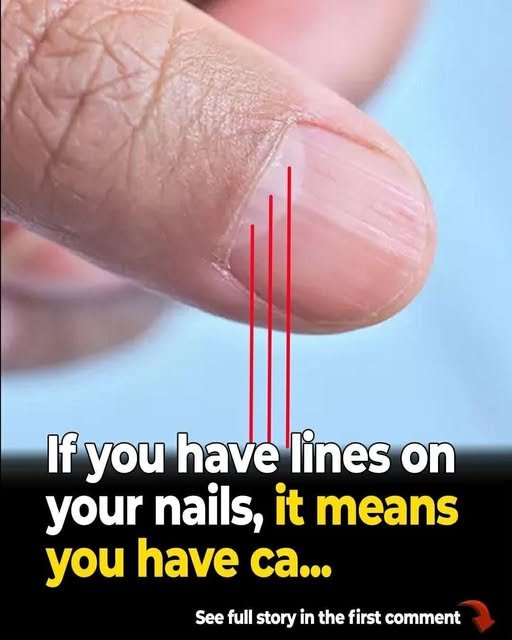
Your fingernails can reveal surprising clues about your overall health. While they cannot predict exactly how long you will live, doctors often examine nails because changes in their appearance may signal underlying medical conditions that affect long-term health. Understanding what your nails are telling you could encourage earlier medical evaluation and healthier lifestyle choices.
Can Fingernails Really Predict Life Expectancy?
The short answer is no—not directly.
There is no single feature of your fingernails that can accurately predict your lifespan. However, certain nail changes may be associated with diseases that influence health and longevity, such as heart disease, lung disease, diabetes, liver disorders, or nutritional deficiencies.
Doctors view fingernails as one piece of the overall health picture rather than a crystal ball.
The Telltale Sign: Clubbing
One of the most significant nail changes doctors look for is clubbing.
Clubbing occurs when:
- The fingertips become enlarged or bulbous.
- The nails curve downward over the fingertips.
- The angle between the nail and the skin changes.
- The nails appear unusually rounded when viewed from the side.
This change usually develops gradually over months or years.
What Can Clubbing Indicate?
Clubbing may be linked to serious medical conditions, including:
- Chronic lung diseases
- Lung cancer
- Congenital heart disease
- Certain liver disorders
- Inflammatory bowel disease
- Some thyroid conditions
Not everyone with clubbing has a serious illness, but it should always be evaluated by a healthcare professional.
Other Nail Changes Worth Noticing
Pale Nails
Very pale nails may be associated with:
- Anaemia
- Poor circulation
- Liver disease
- Malnutrition
Yellow Nails
Yellow nails can result from:
- Fungal infections
- Smoking
- Psoriasis
- Chronic lung disease
- Rare yellow nail syndrome
Blue or Purple Nails
A bluish tint may indicate reduced oxygen levels in the blood and requires prompt medical attention, especially if accompanied by shortness of breath or chest pain.
Spoon-Shaped Nails
Nails that curve upward like a spoon (koilonychia) may be linked to:
- Iron-deficiency anaemia
- Certain autoimmune conditions
- Rare genetic disorders
Dark Lines Under the Nail
A new dark streak running from the cuticle to the tip of the nail should be assessed by a doctor, as it can occasionally be a sign of subungual melanoma, a rare type of skin cancer.
White Spots
Despite popular belief, white spots are usually caused by minor injuries to the nail rather than a vitamin deficiency.
Healthy Nails Are Often a Sign of Good Overall Health
Healthy fingernails typically have these characteristics:
- Smooth surface
- Consistent pink colour
- Even thickness
- No significant ridges or splitting
- Strong but flexible texture
Changes can occur naturally with ageing, so not every abnormal-looking nail indicates disease.
When Should You See a Doctor?
Arrange a medical evaluation if you notice:
- Sudden nail clubbing
- Persistent colour changes
- Thickened or crumbling nails that don’t improve
- Dark streaks or spots
- Separation of the nail from the nail bed
- Nail changes accompanied by fatigue, weight loss, breathing problems, or swelling
A doctor may recommend blood tests, imaging, or other investigations depending on your symptoms and medical history.
Ways to Keep Your Nails Healthy
Good nail care supports healthy growth:
- Eat a balanced diet rich in protein, iron, zinc, and vitamins.
- Stay hydrated.
- Wear gloves when using cleaning products.
- Avoid biting or picking at your nails.
- Keep nails clean and trimmed.
- Treat fungal infections promptly.
Final Thoughts
Your fingernails won’t reveal exactly how long you’ll live, but they can offer valuable clues about your overall health. Changes such as clubbing, unusual colour, or persistent abnormalities may signal underlying conditions that deserve medical attention. Paying attention to these subtle signs—and seeking advice when something changes unexpectedly—can help identify health problems earlier, when treatment may be most effective.
Disclaimer: This article is for informational purposes only and is not a substitute for professional medical advice. If you notice significant or persistent changes in your nails, consult a qualified healthcare provider for an accurate diagnosis.