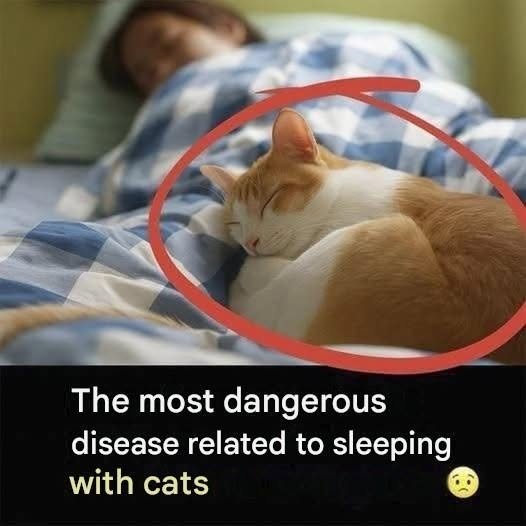
For many cat owners, sharing a bed with their feline companion is comforting and strengthens the bond between pet and owner. While sleeping with cats is generally safe for healthy adults, it is important to understand that cats can occasionally carry germs and parasites that may cause illness in humans. Fortunately, the risk is low when proper hygiene and veterinary care are maintained.
Can Sleeping with Cats Make You Sick?
The act of sleeping with a cat does not directly cause illness. However, close contact may increase your exposure to bacteria, parasites, fungi, or allergens that your cat may carry. Most healthy cats that receive regular veterinary care pose very little risk.
People with weakened immune systems, pregnant women, older adults, and very young children should take extra precautions.
Health Risks to Be Aware Of
1. Cat Scratch Disease
Cat scratch disease is caused by the bacterium Bartonella henselae. Although it is usually spread through scratches or bites rather than sleeping together, close contact with cats can increase the chance of exposure.
Symptoms include:
- Swollen lymph nodes
- Fever
- Fatigue
- Headache
2. Ringworm
Despite its name, ringworm is a fungal infection, not a worm. It spreads easily through direct contact with an infected cat or contaminated bedding.
Symptoms include:
- Circular, itchy skin rash
- Redness and scaling
- Hair loss in affected areas
3. Fleas and Other Parasites
Cats with fleas can bring them into your bed, leading to itchy bites and possible allergic reactions. Fleas can also transmit certain diseases, although this is uncommon.
4. Toxoplasmosis
Toxoplasmosis is caused by the parasite Toxoplasma gondii. People are more commonly infected by handling contaminated cat litter, eating undercooked meat, or consuming contaminated food or water than by sleeping with a cat. Pregnant women should be especially cautious because infection during pregnancy can affect the unborn baby.
5. Allergies and Asthma
One of the most common problems associated with sleeping with cats is exposure to allergens found in their saliva, skin flakes (dander), and fur.
This may cause:
- Sneezing
- Runny nose
- Itchy eyes
- Asthma flare-ups
- Poor-quality sleep due to congestion
Who Should Avoid Sleeping with Cats?
It may be best to avoid sharing your bed with a cat if you:
- Have severe cat allergies
- Have asthma that is triggered by pet allergens
- Have a weakened immune system
- Are undergoing chemotherapy
- Have received an organ transplant
- Are pregnant and concerned about toxoplasmosis
- Have open wounds or skin infections
Prevention Tips
You don’t necessarily have to stop cuddling your cat. These simple precautions can significantly reduce your risk:
- Schedule regular veterinary check-ups.
- Keep your cat up to date with vaccinations and parasite prevention.
- Wash your hands after cleaning litter trays or handling your cat.
- Clean your bedding regularly.
- Keep your cat indoors whenever possible to reduce exposure to parasites and infections.
- Trim your cat’s claws to minimise accidental scratches.
- Avoid letting your cat lick your face or any open cuts.
- Use effective flea prevention all year round.
Benefits of Sleeping with Cats
Despite the potential risks, many people enjoy benefits from sleeping with their cats, including:
- Reduced stress and anxiety
- Feelings of comfort and companionship
- A sense of security
- Improved emotional well-being
For healthy adults with well-cared-for cats, these benefits often outweigh the relatively small health risks.
Final Thoughts
Sleeping with your cat is generally safe if your pet is healthy, receives regular veterinary care, and is protected against fleas and parasites. The greatest concerns are usually allergies and exposure to infections through scratches, bites, or poor hygiene—not simply sharing a bed.
By maintaining good hygiene, keeping your cat healthy, and taking sensible precautions, you can continue to enjoy your feline companion while minimising health risks.
Disclaimer: This article is for educational purposes only and should not replace professional medical or veterinary advice. If you develop symptoms after contact with a cat or have concerns about your health, consult a qualified healthcare professional.