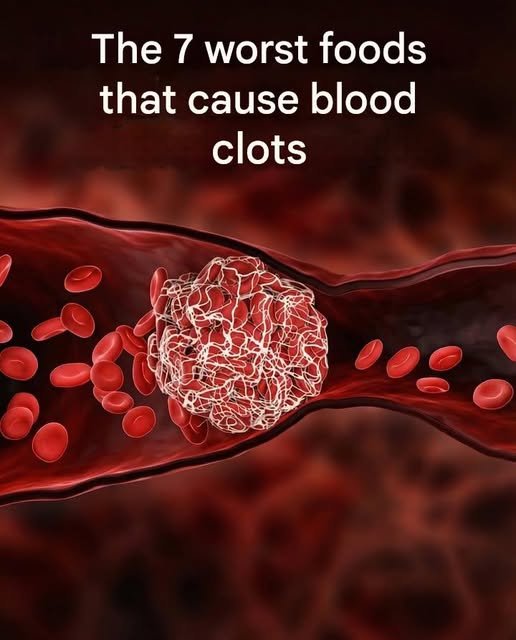
If you’ve seen claims that certain foods “dissolve blood clots” or “thin your blood naturally,” it’s important to know that these claims are often exaggerated. Foods cannot replace prescribed blood-thinning medications, and you should never stop or adjust medications without medical advice.
Here’s what science says about foods that support healthy circulation.
Understanding Blood Clots
Blood clots are a normal part of healing after an injury. However, when clots form inside blood vessels without a good reason, they can block blood flow and become dangerous.
Abnormal blood clots can lead to:
- Heart attack
- Stroke
- Deep vein thrombosis (DVT)
- Pulmonary embolism (PE)
A healthy lifestyle helps lower the risk of many cardiovascular conditions, but some people require medication because of their medical history or inherited clotting disorders.
1. Fatty Fish
Fatty fish are among the best foods for heart health because they contain omega-3 fatty acids (EPA and DHA).
Examples include:
- Salmon
- Sardines
- Mackerel
- Herring
- Trout
Omega-3 fats may help:
- Lower triglyceride levels
- Support healthy blood vessel function
- Reduce inflammation
- Support normal platelet function
Aim to eat oily fish twice a week if possible.
2. Leafy Green Vegetables
Vegetables such as:
- Spinach
- Kale
- Rocket
- Swiss chard
are rich in nitrates, which the body converts into nitric oxide.
Nitric oxide helps blood vessels relax and widen, supporting healthy blood flow.
Important: If you take warfarin, do not suddenly increase or decrease your intake of vitamin K-rich leafy greens. Instead, keep your intake consistent and discuss dietary changes with your healthcare provider.
3. Berries
Blueberries, strawberries, raspberries, and blackberries are packed with:
- Vitamin C
- Fibre
- Anthocyanins
- Antioxidants
These compounds help protect blood vessels from oxidative stress and support overall cardiovascular health.
4. Garlic
Garlic contains sulphur compounds such as allicin.
Some studies suggest garlic may have modest effects on:
- Blood pressure
- Blood vessel function
However, garlic should not be used as a substitute for prescribed medications.
Large amounts of garlic or garlic supplements may increase bleeding risk, especially when combined with blood-thinning medicines.
5. Tomatoes
Tomatoes are rich in:
- Lycopene
- Vitamin C
- Potassium
Lycopene is an antioxidant associated with heart health and may help support healthy blood vessels.
Cooked tomatoes often provide lycopene in a form that is more easily absorbed by the body.
6. Citrus Fruits
Oranges, grapefruits, lemons, and other citrus fruits provide:
- Vitamin C
- Flavonoids
- Fibre
These nutrients help support blood vessel health.
Note: Grapefruit can interact with many medications, including some cholesterol-lowering drugs and certain blood pressure medicines. Check with your pharmacist or healthcare provider if you’re unsure.
7. Nuts and Seeds
Healthy choices include:
- Walnuts
- Almonds
- Flaxseeds
- Chia seeds
They provide:
- Healthy unsaturated fats
- Fibre
- Magnesium
- Plant omega-3s (ALA)
These nutrients contribute to overall cardiovascular health.
8. Olive Oil
Extra virgin olive oil is a key component of the Mediterranean diet.
It contains:
- Monounsaturated fats
- Polyphenols
- Antioxidants
Replacing saturated fats with unsaturated fats may help support heart health.
9. Whole Grains
Whole grains such as:
- Oats
- Brown rice
- Barley
- Whole wheat
- Quinoa
provide fibre that can help support healthy cholesterol levels and overall cardiovascular health.
10. Beans and Lentils
Legumes are excellent sources of:
- Plant protein
- Fibre
- Magnesium
- Potassium
They can help support healthy cholesterol levels and promote heart health.
Hydration Matters
Blood naturally becomes more concentrated when you’re dehydrated.
Drink enough water throughout the day, particularly:
- During hot weather
- While exercising
- If you’re ill with vomiting or diarrhoea
Adequate hydration supports normal circulation, though it does not prevent blood clots on its own.
Lifestyle Habits That Support Healthy Circulation
Diet works best when combined with healthy daily habits.
These include:
- Walking or exercising regularly
- Maintaining a healthy weight
- Avoiding smoking
- Managing diabetes, high blood pressure, and high cholesterol
- Limiting excessive alcohol intake
- Avoiding prolonged sitting by getting up and moving every hour on long trips or during desk work
Foods Are Not Blood Thinners
Many websites claim foods such as garlic, turmeric, ginger, or cayenne pepper “thin the blood.”
While some foods contain compounds that may have mild effects on platelet function or inflammation, they are not a replacement for prescription anticoagulants or antiplatelet medications when these are medically indicated.
If you’re taking medications such as:
- Warfarin
- Apixaban
- Rivaroxaban
- Dabigatran
- Clopidogrel
talk to your healthcare provider before taking herbal supplements or making major dietary changes.
Warning Signs of a Blood Clot
Seek urgent medical care if you experience:
- Sudden swelling in one leg
- Pain or tenderness in the calf
- Redness or warmth in one leg
- Sudden chest pain
- Shortness of breath
- Coughing up blood
- Sudden weakness or numbness on one side of the body
- Difficulty speaking or seeing
These symptoms could indicate a blood clot or stroke and require immediate evaluation.
Final Thoughts
The best diet for healthy circulation is one that supports overall cardiovascular health. Eating fatty fish, leafy greens, berries, whole grains, nuts, seeds, legumes, and olive oil as part of a balanced diet may help reduce cardiovascular risk factors and support healthy blood vessels. However, no food can reliably prevent or dissolve dangerous blood clots, and people at high risk may still need prescribed medication and regular medical care.
Medical Disclaimer: This article is for educational purposes only and should not replace professional medical advice. If you have a history of blood clots, heart disease, stroke, or take blood-thinning medication, consult your healthcare provider before making significant dietary or supplement changes.