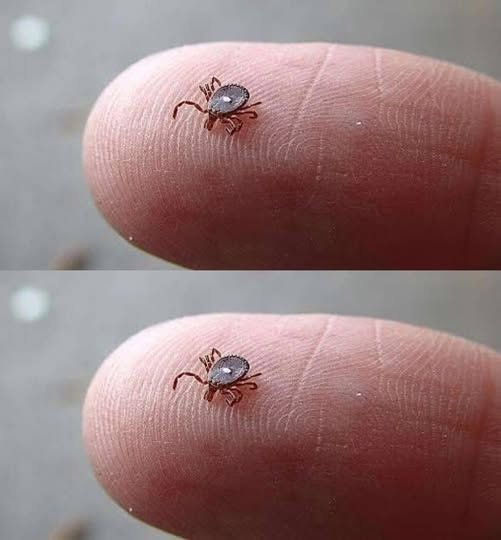
Finding a tick on your child’s leg can be alarming, especially if it has a distinctive white spot.
The description of “a tick with a weird white spot” most closely matches the adult female lone star tick. The single bright white or silvery spot on its back is its most recognizable feature.
What Is a Lone Star Tick?
The lone star tick is a hard-bodied tick found in many wooded, grassy, and brushy areas. It is aggressive and will actively seek out people and animals rather than simply waiting on vegetation.
How to Identify It
- Female: One prominent white or silver spot in the center of the back.
- Male: Usually lacks the single white spot and instead has scattered pale markings.
- Size: About the size of a sesame seed when unfed, becoming much larger after feeding.
Why Is It Important?
Like other ticks, lone star ticks can transmit several illnesses. Not every tick carries disease, and not every bite results in infection, but it’s important to be aware of possible risks, including:
- Ehrlichiosis
- Tularemia
- Southern Tick-Associated Rash Illness (STARI)
- In some people, bites from lone star ticks have been linked to alpha-gal syndrome, an allergy to red meat that can develop weeks or months after the bite.
What to Do If You Find One
- Use fine-tipped tweezers to grasp the tick as close to the skin as possible.
- Pull upward with steady, even pressure. Avoid twisting or crushing it.
- Clean the bite area and your hands with soap and water or rubbing alcohol.
- If possible, save the tick in a sealed container or zip-top bag in case identification becomes necessary.
- Watch for symptoms over the next few weeks.
When to Seek Medical Advice
Contact a healthcare provider if your son develops:
- Fever or chills
- Rash
- Severe headache
- Muscle or joint aches
- Fatigue
- Swollen lymph nodes
- Difficulty breathing or signs of an allergic reaction
These symptoms can appear days to weeks after a tick bite and should be evaluated promptly.
Preventing Future Tick Bites
- Wear long sleeves and long pants in wooded areas.
- Use an EPA-registered insect repellent containing DEET or picaridin on exposed skin (follow label directions for children).
- Treat clothing and gear with permethrin if appropriate.
- Perform a full-body tick check after spending time outdoors.
- Shower within two hours of coming indoors to help wash off unattached ticks.
Important Note
A photo or description alone cannot confirm the species. If you still have the tick or can take a clear close-up picture, I can help you identify whether it appears to be a lone star tick or another species and explain any specific concerns based on its appearance.